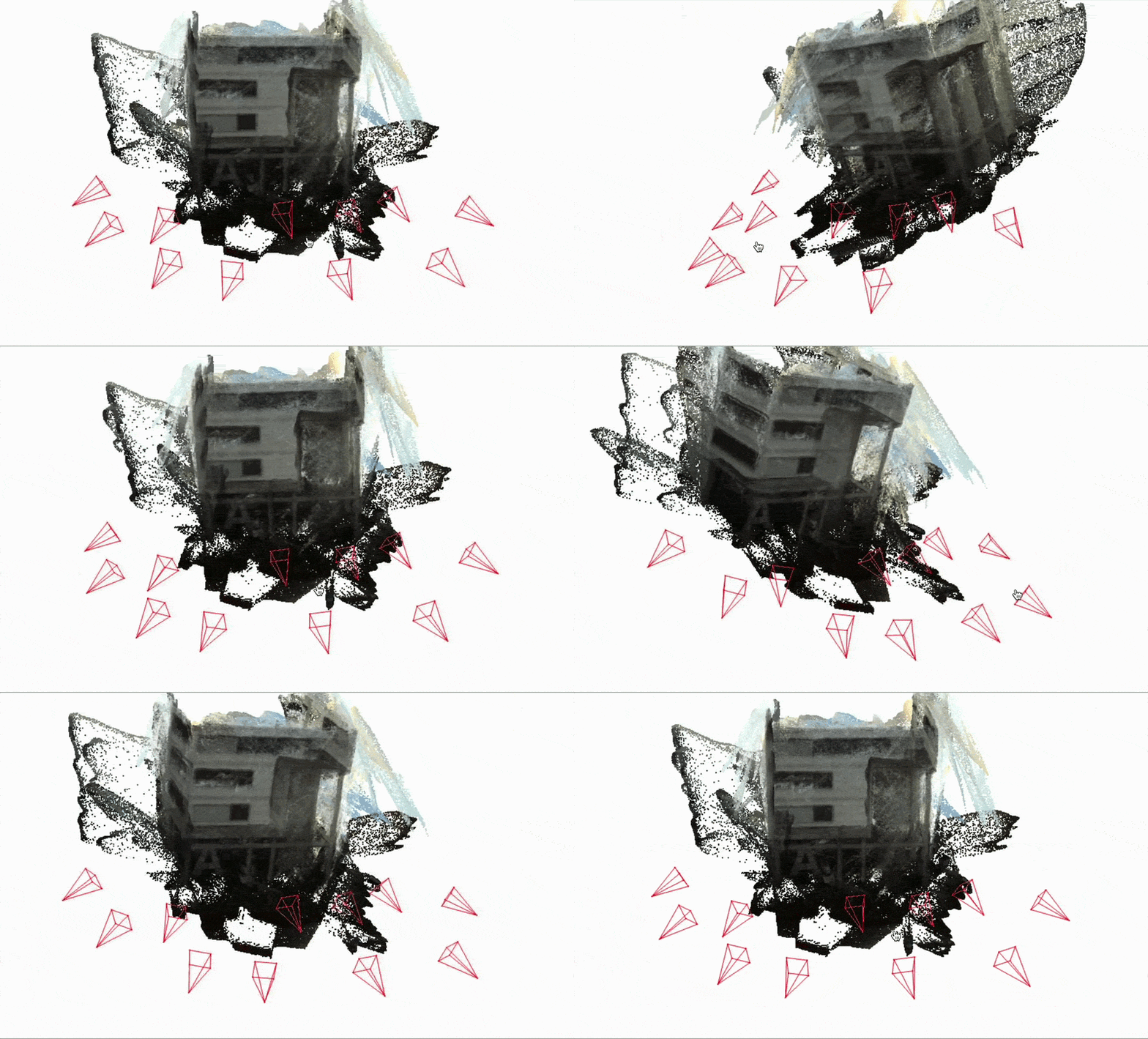
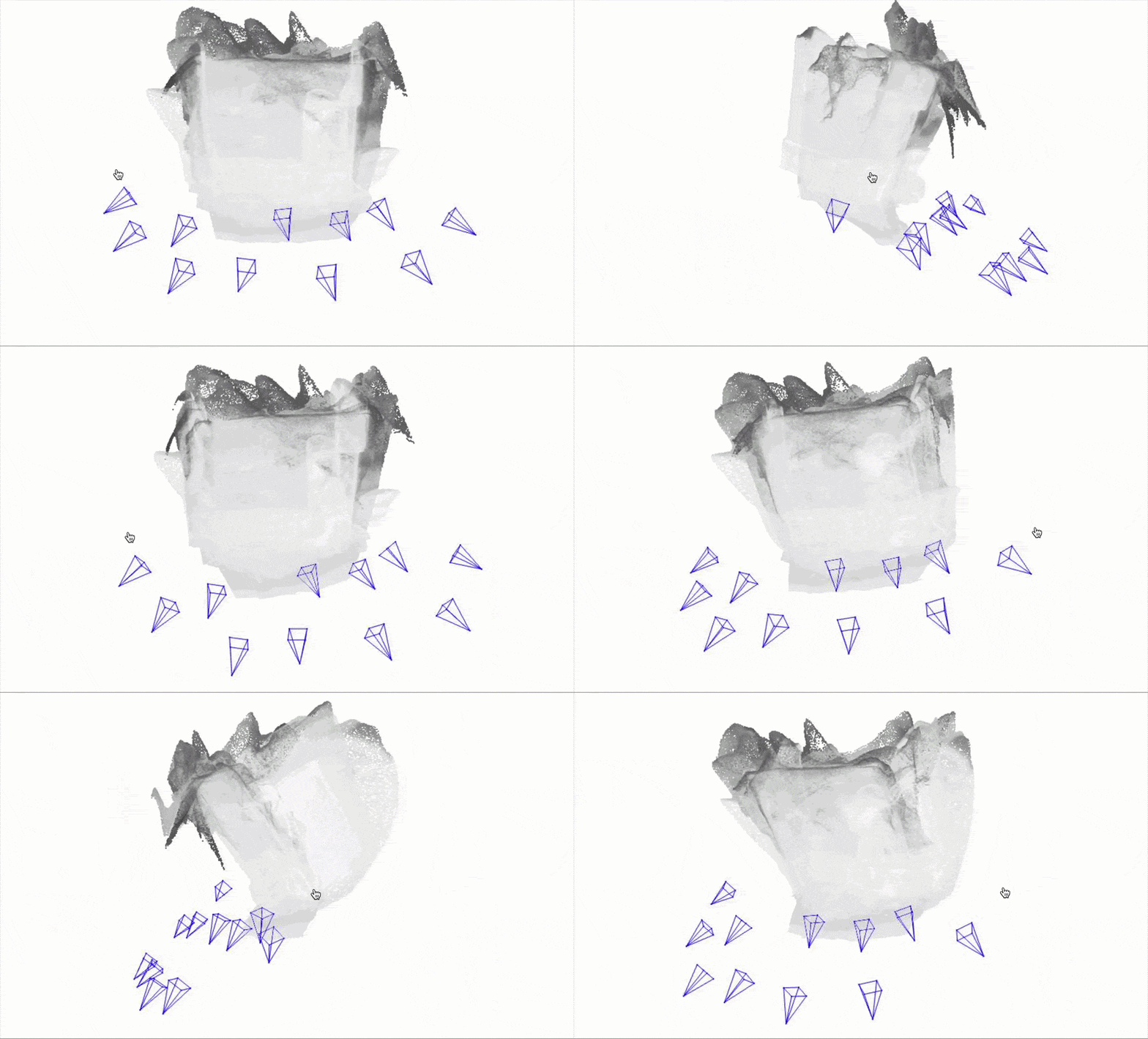
Observation
| RGB | Thermal | RGB+Thermal |
 |
 |
 |
Comparison
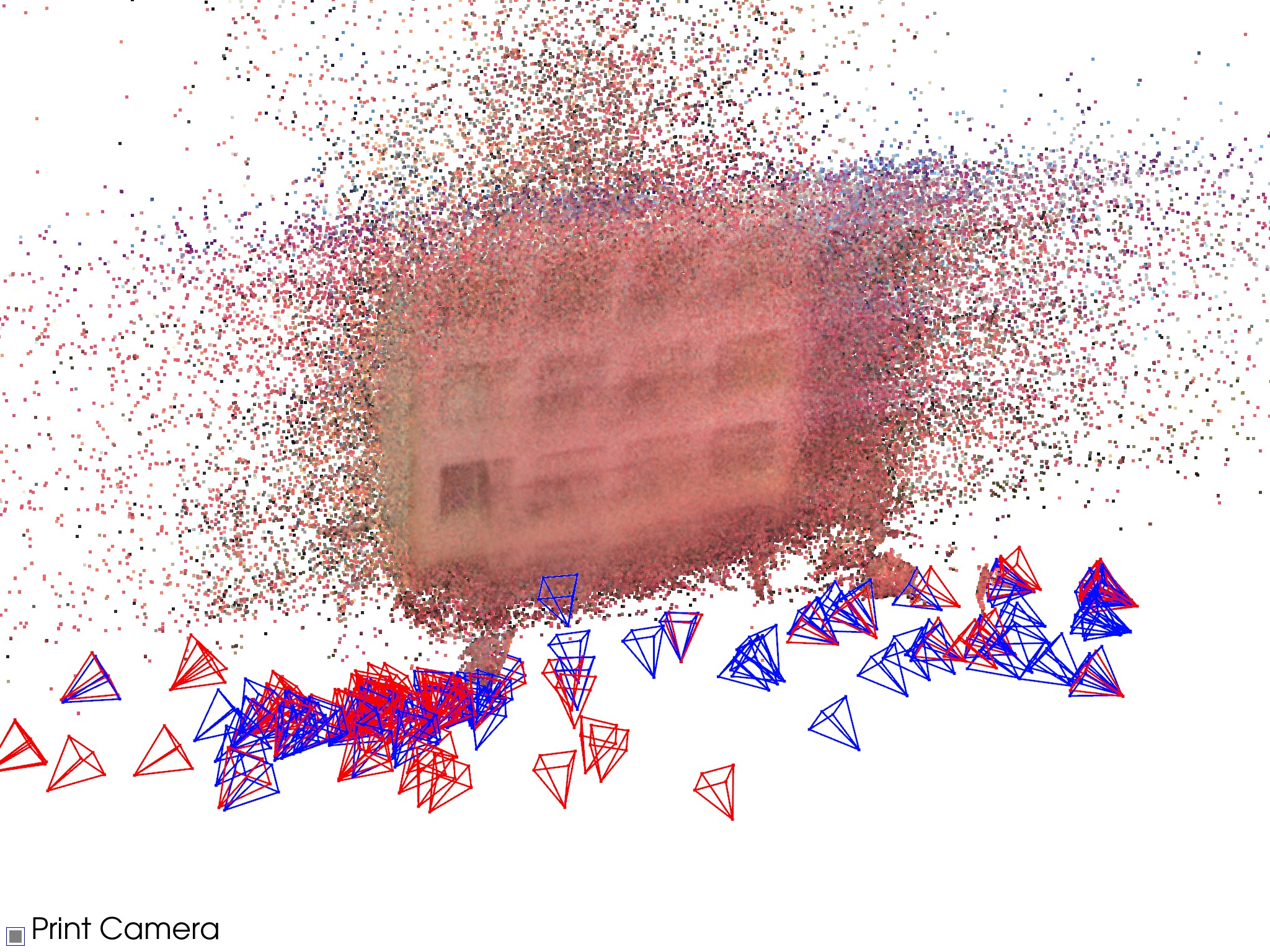
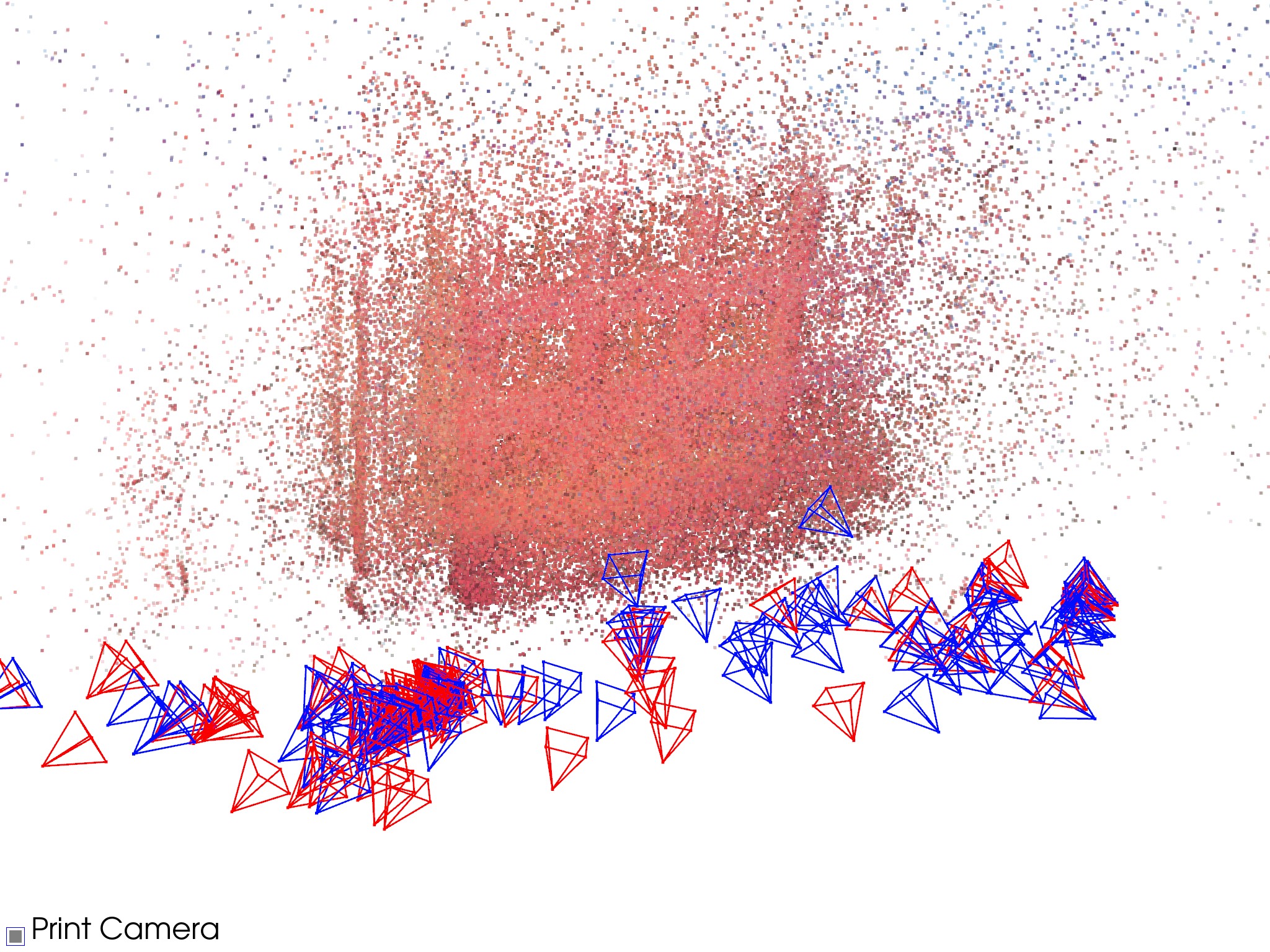
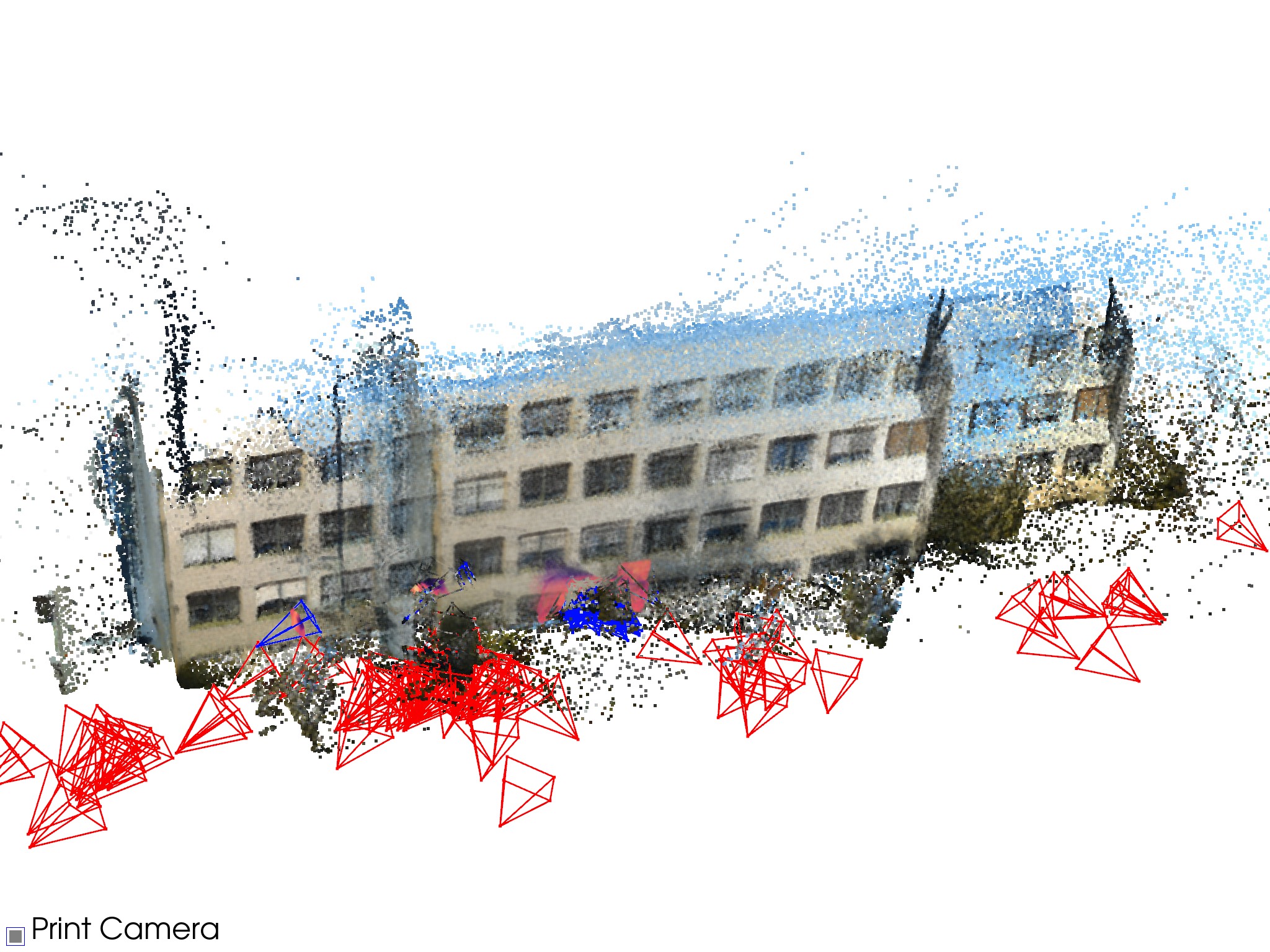
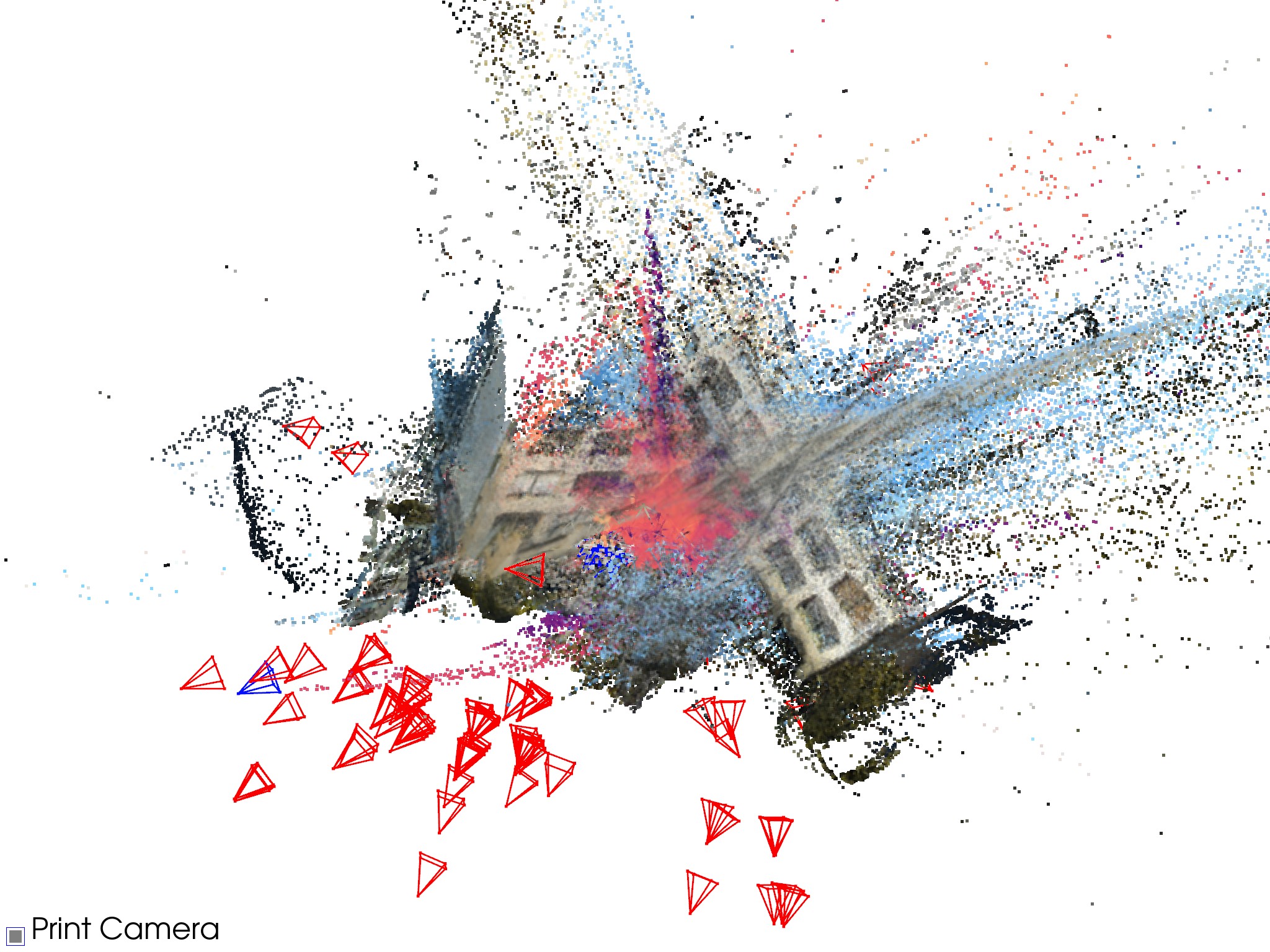
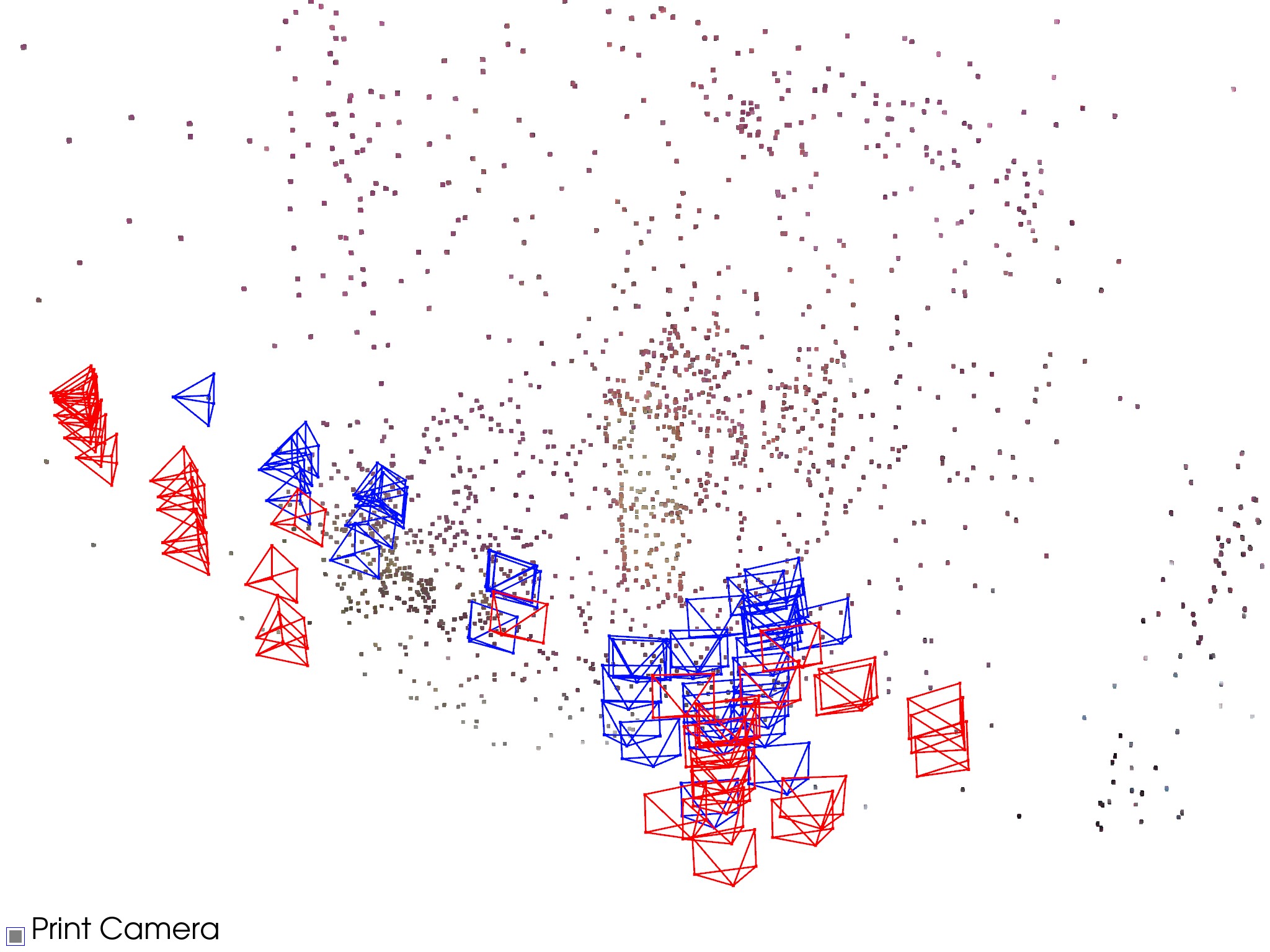
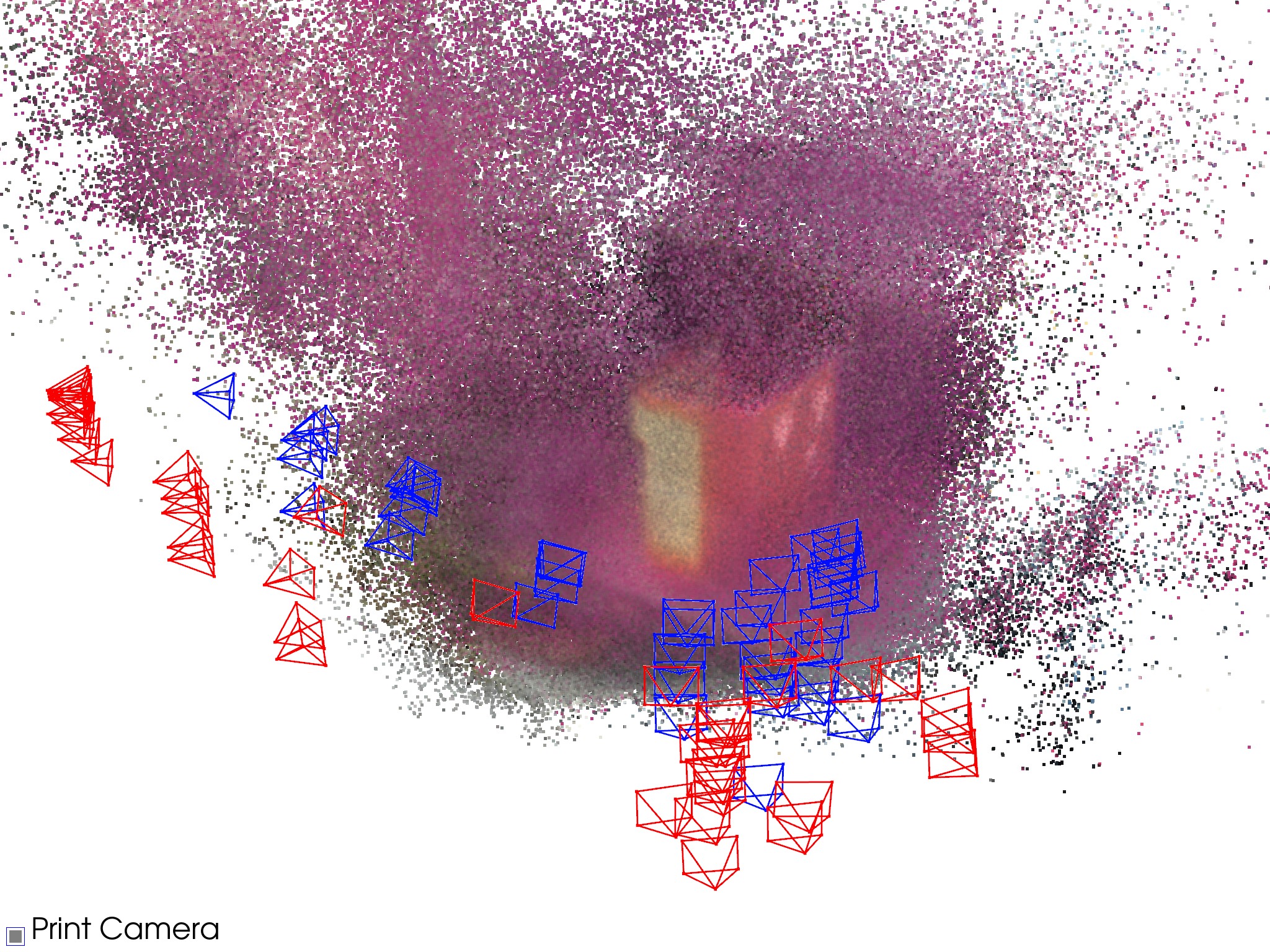
Qualitative Results
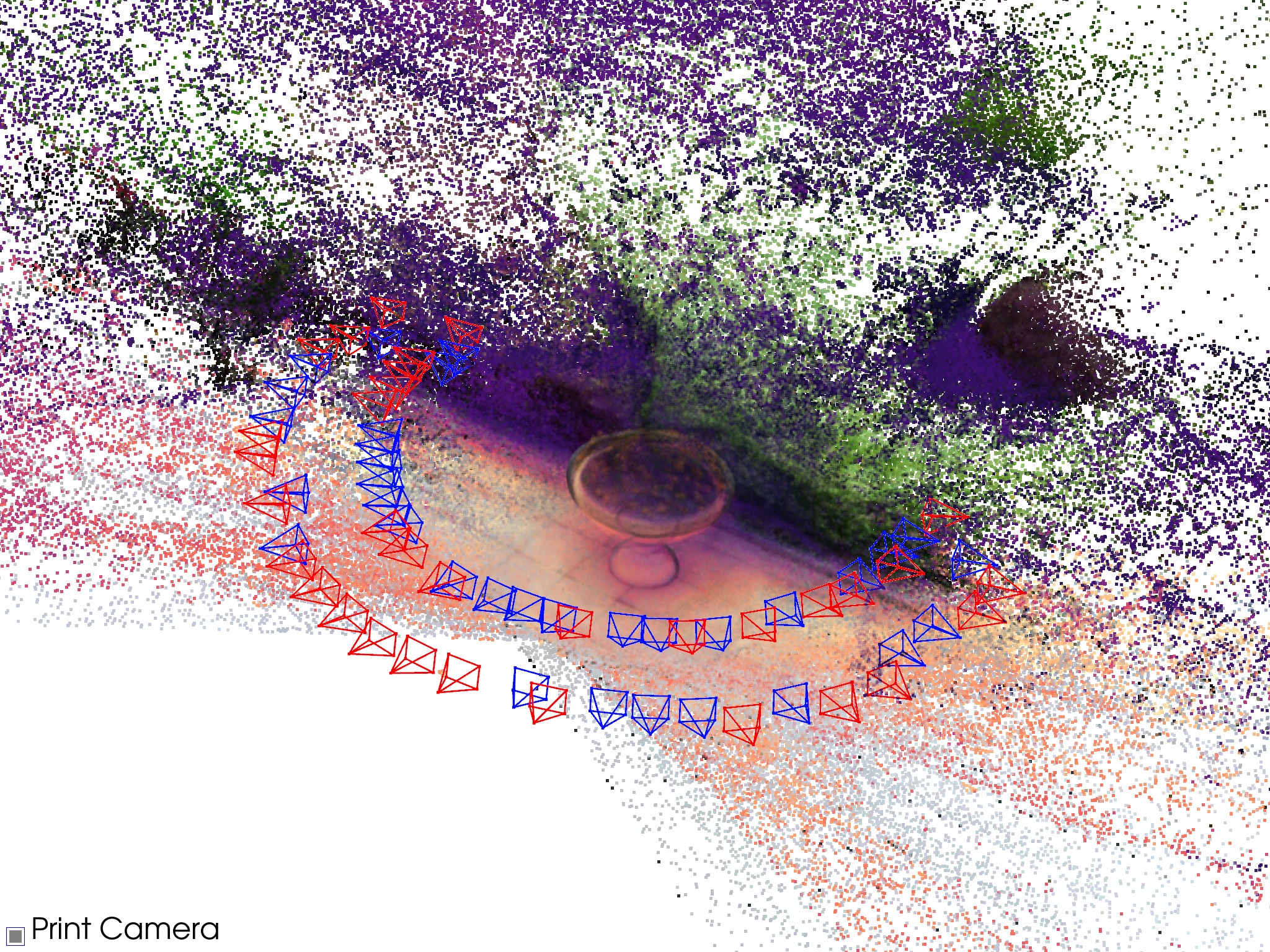
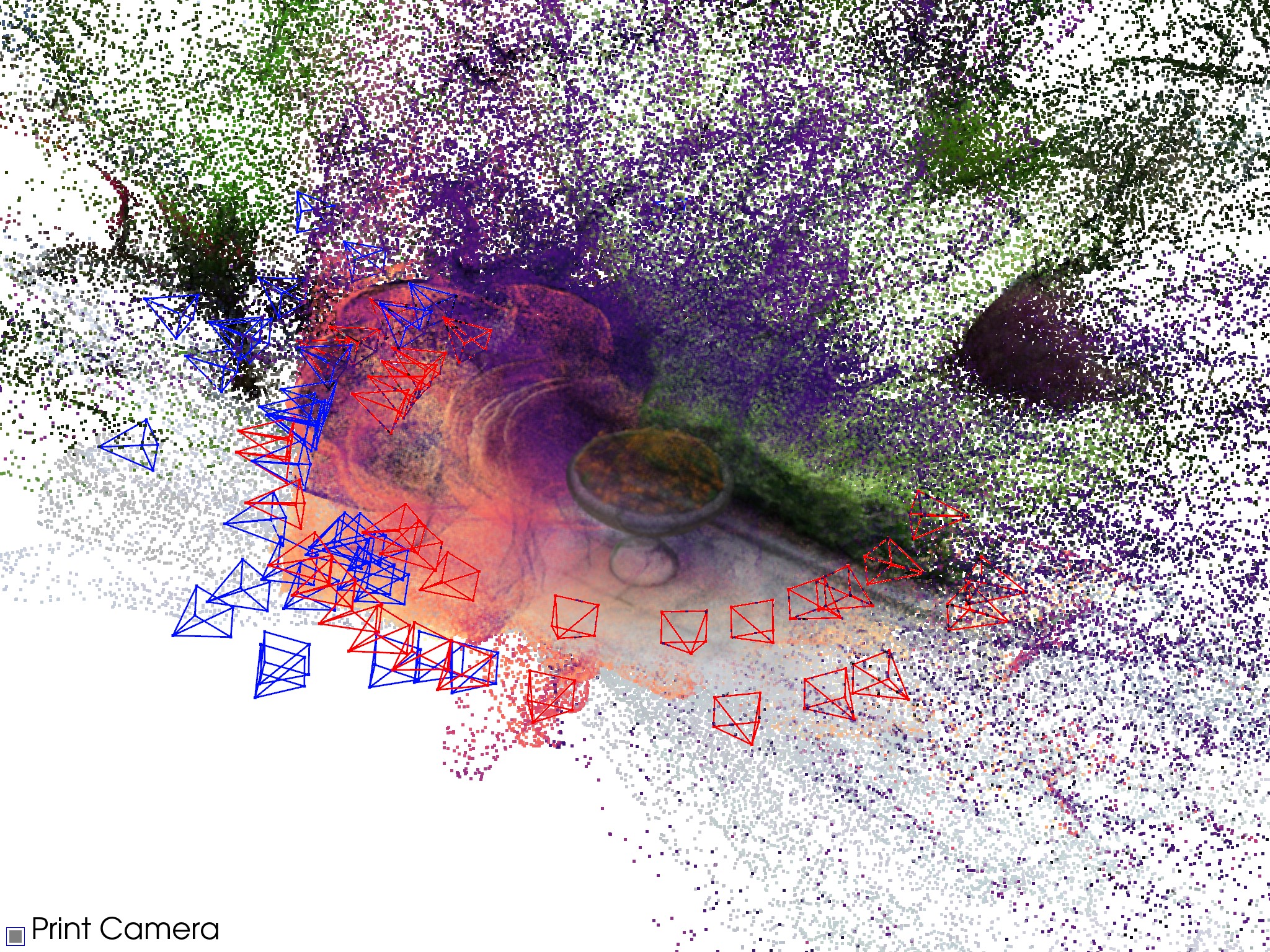
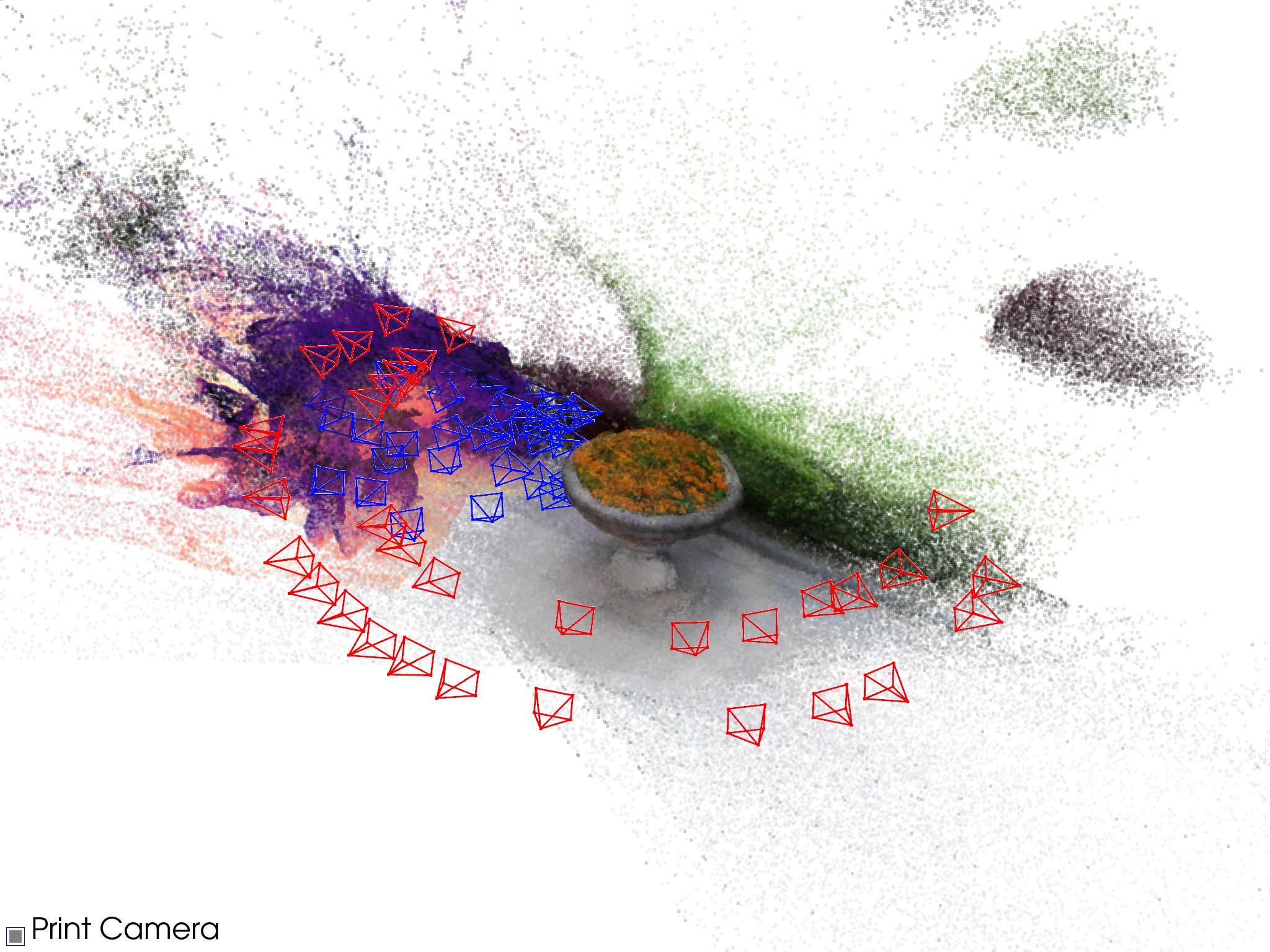
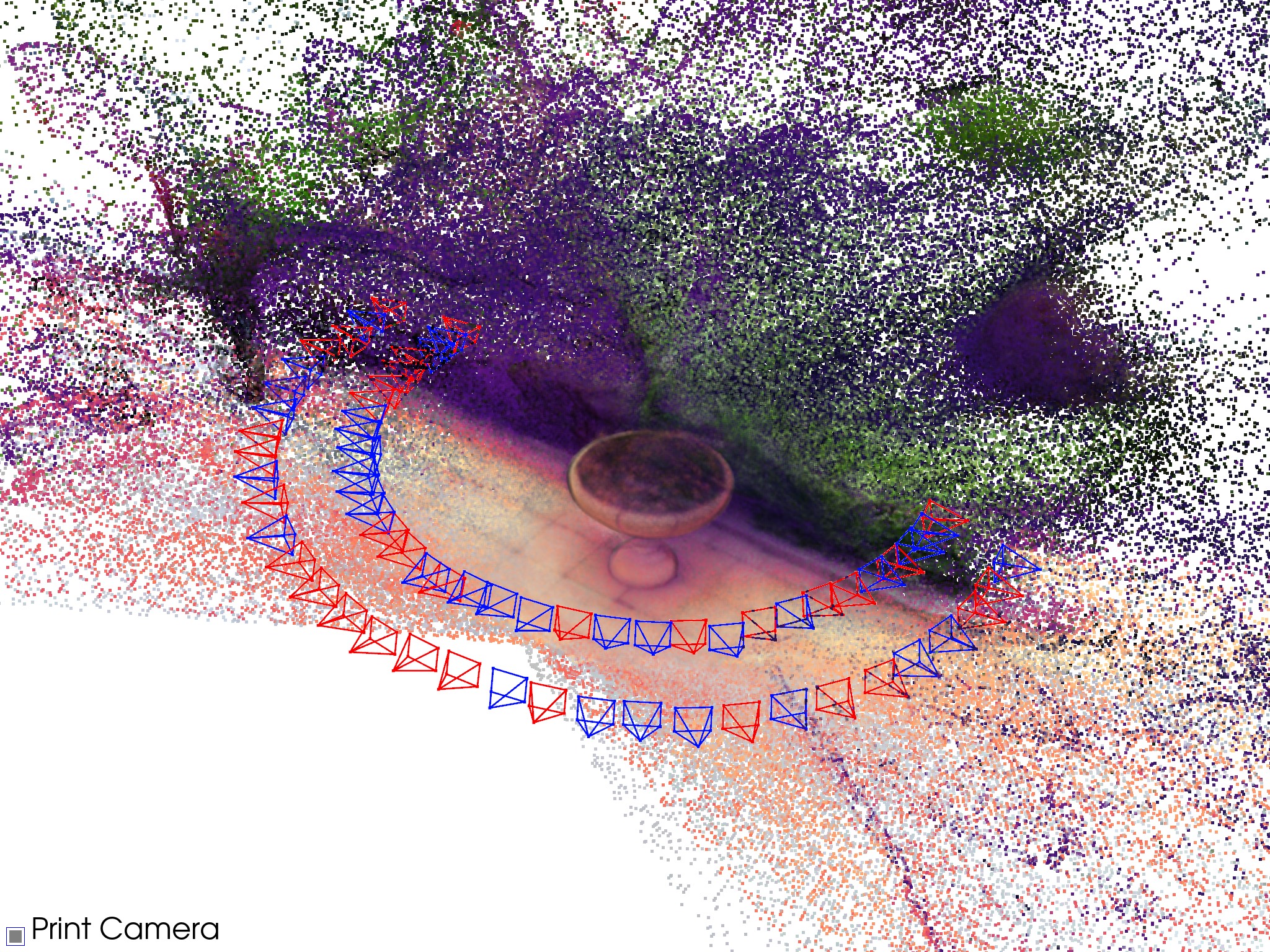
COLMAP
MAELoFTR
MINIMAROMA
MP-SfM
DUSt3R
MASt3R
VGGT
MapAnything
SEAR
(Ours)
(Ours)
Ground Truth
Metallic Container


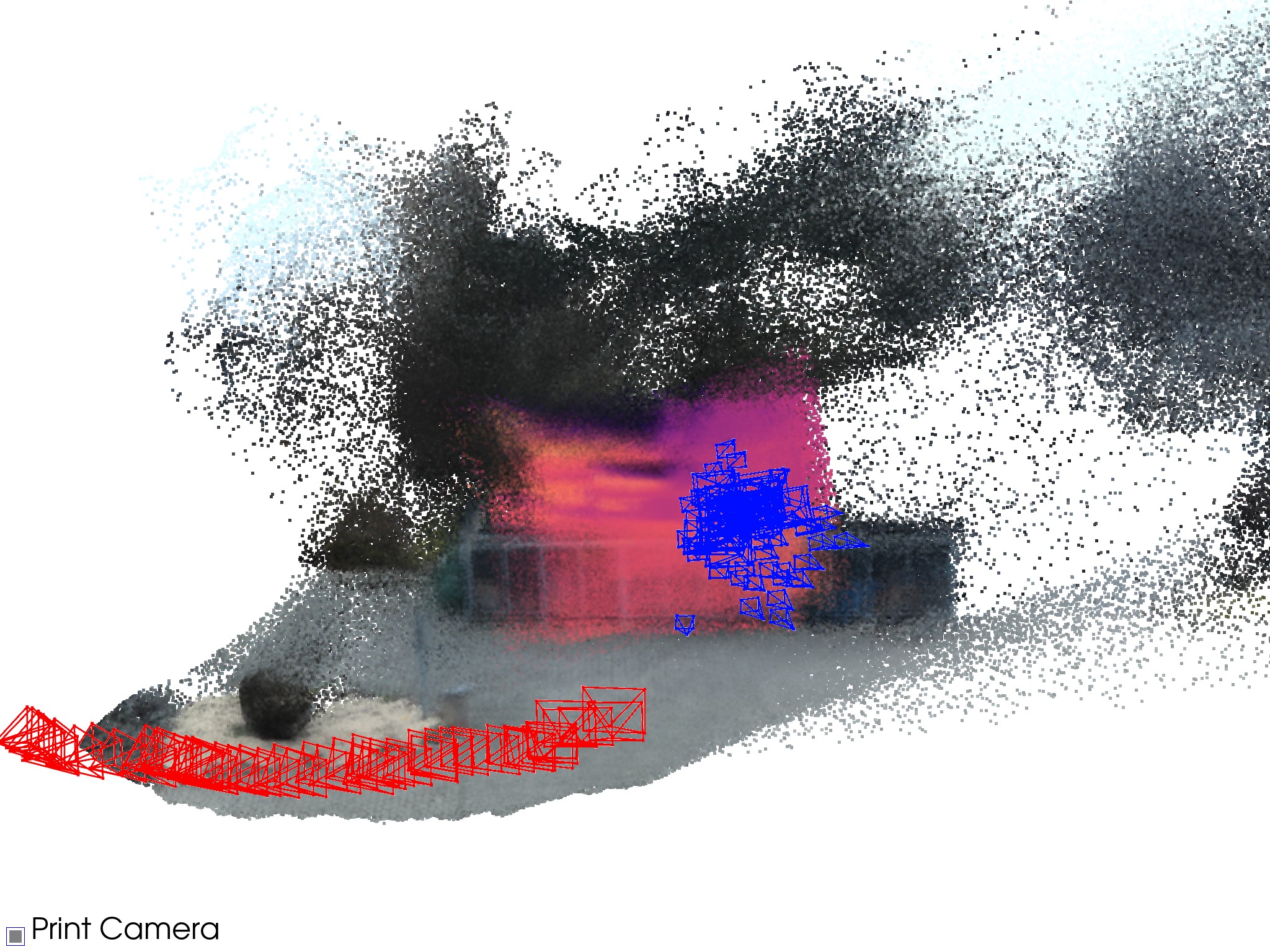
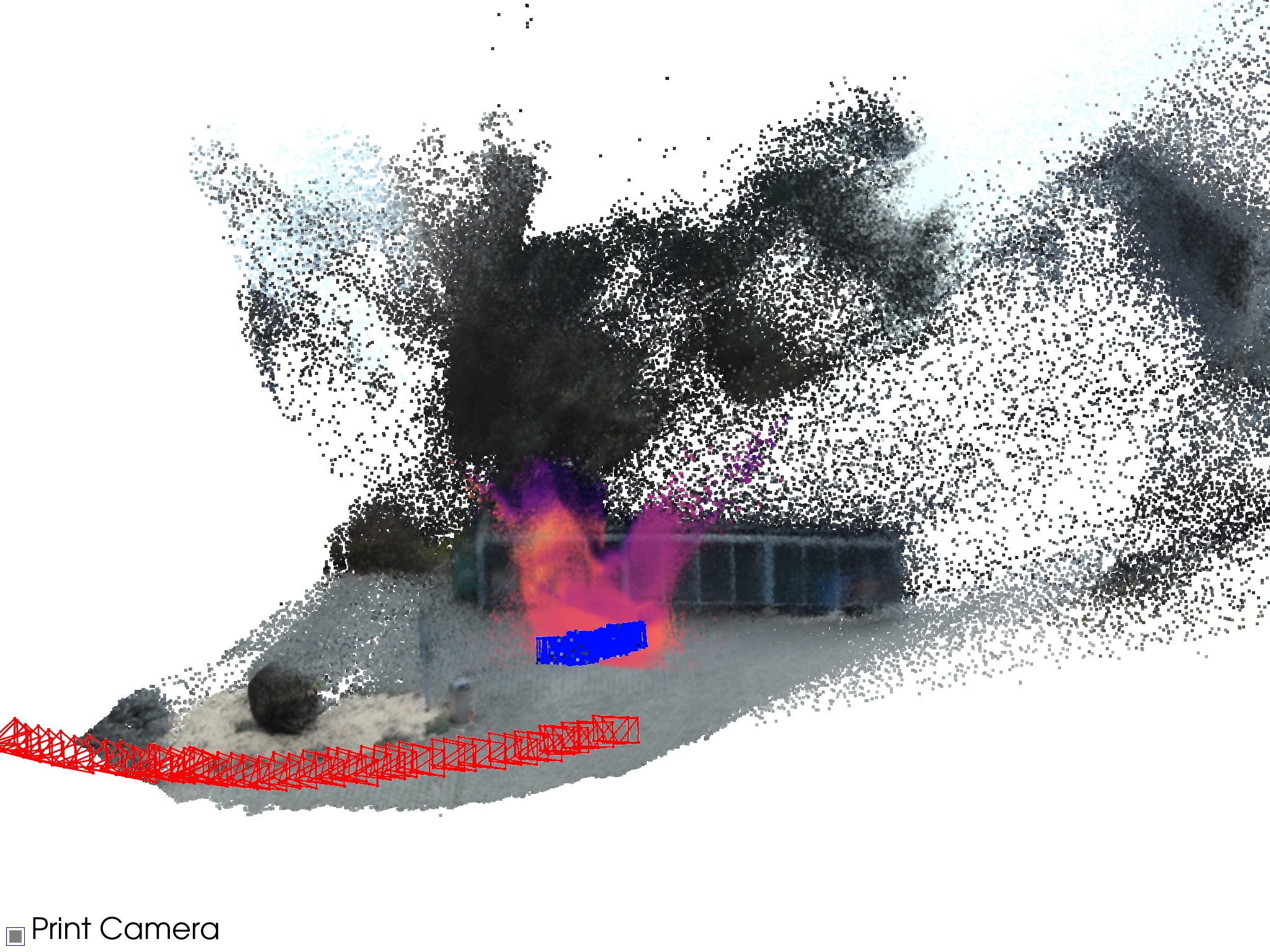
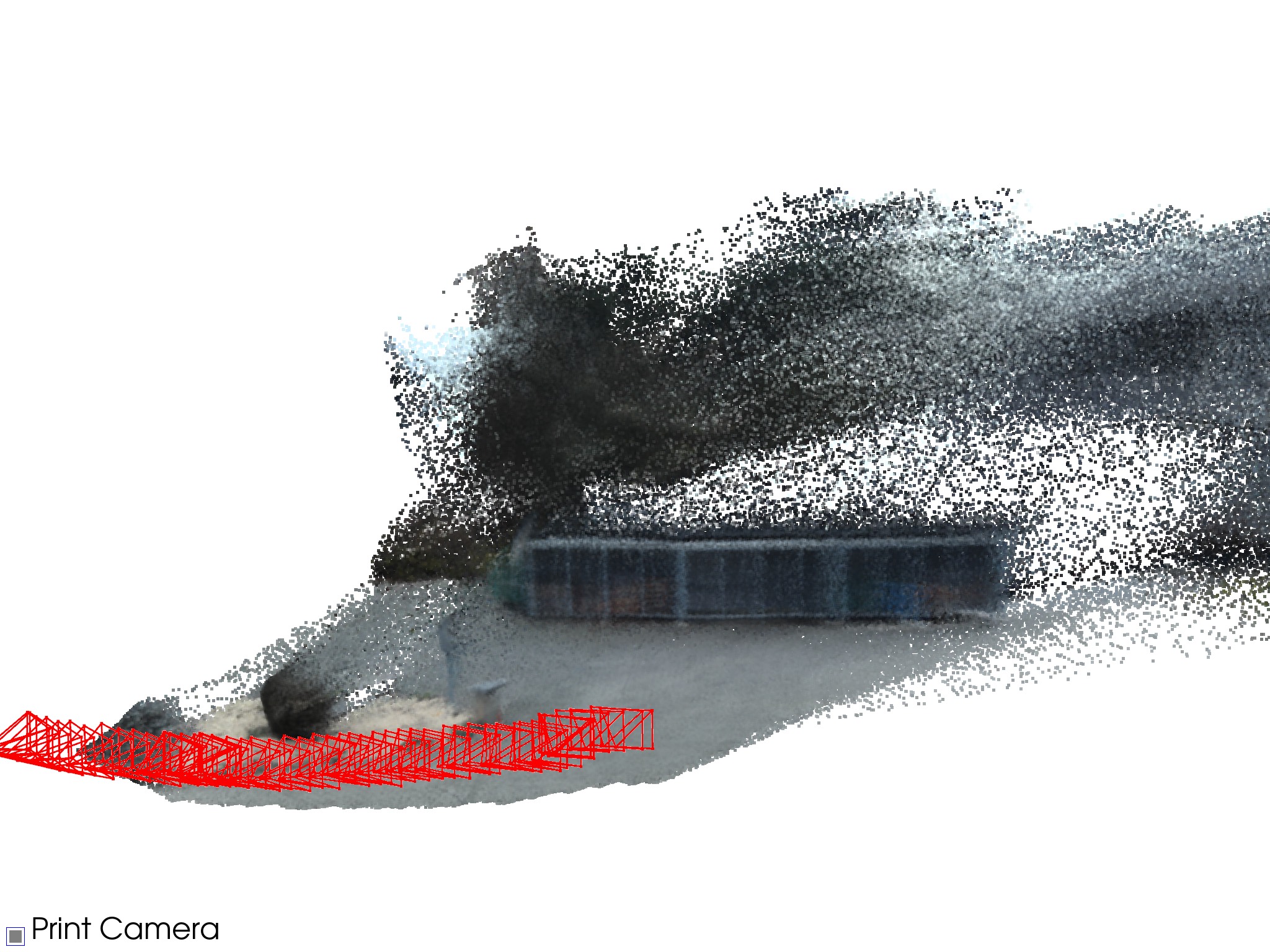
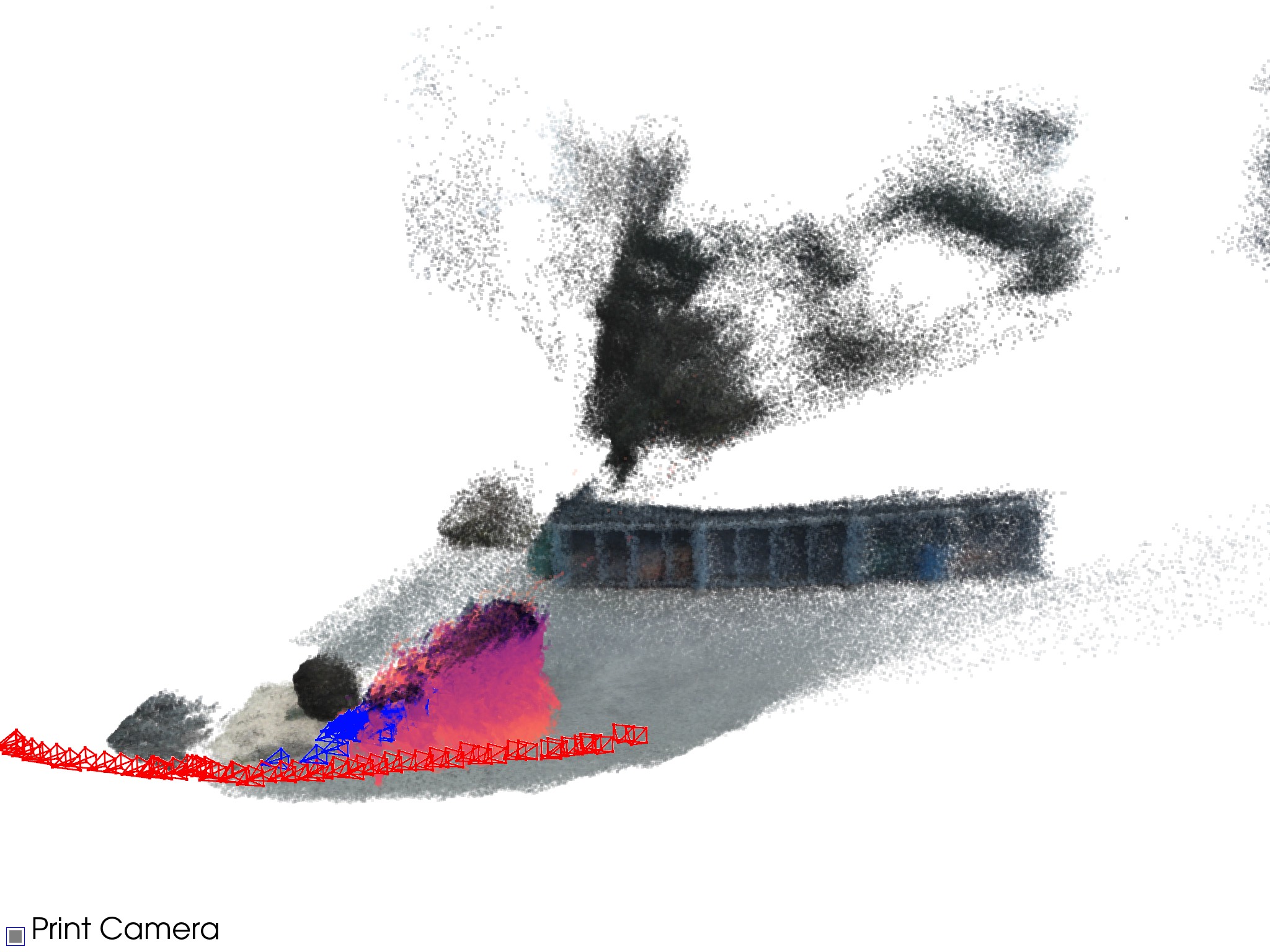
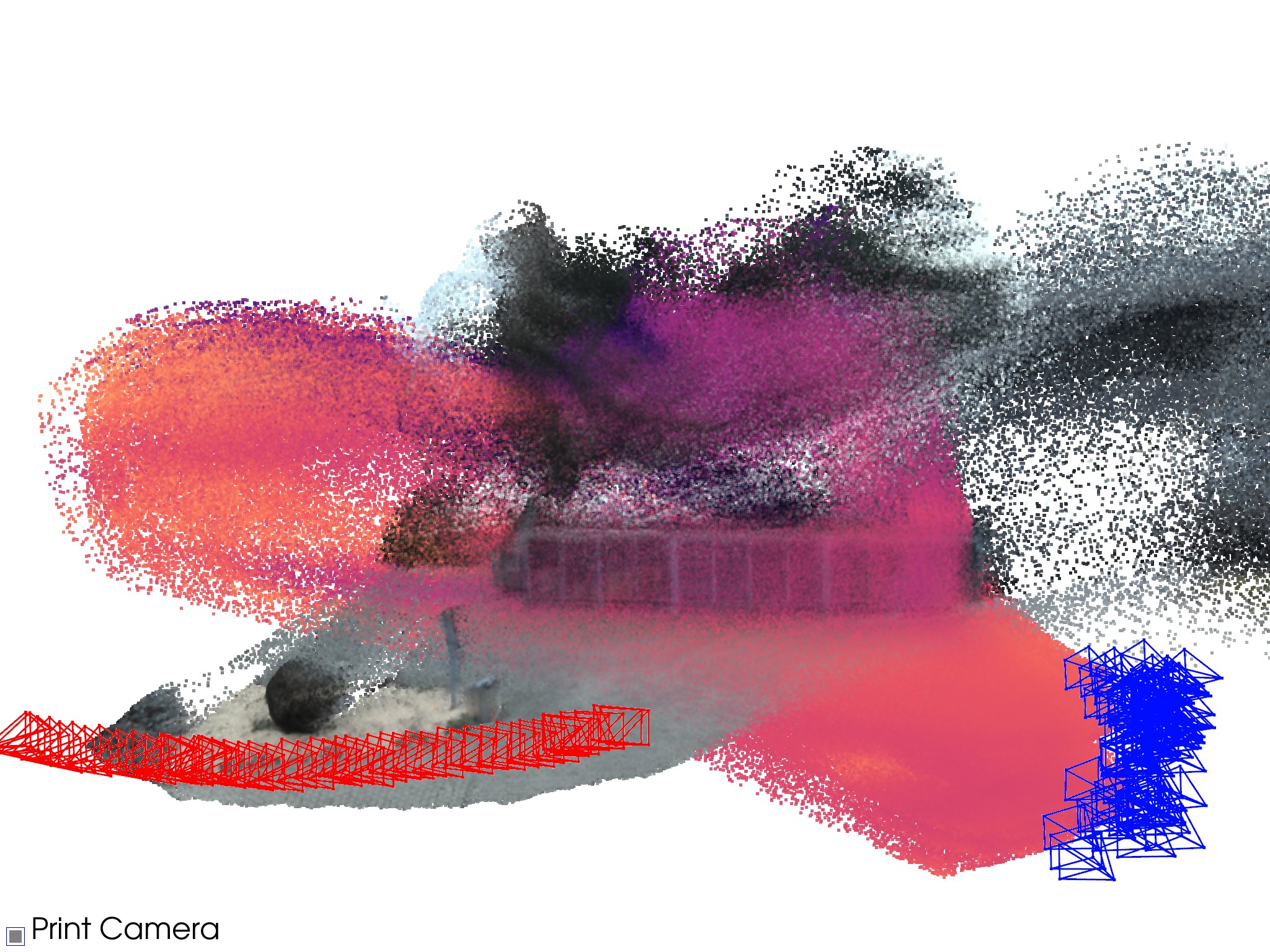
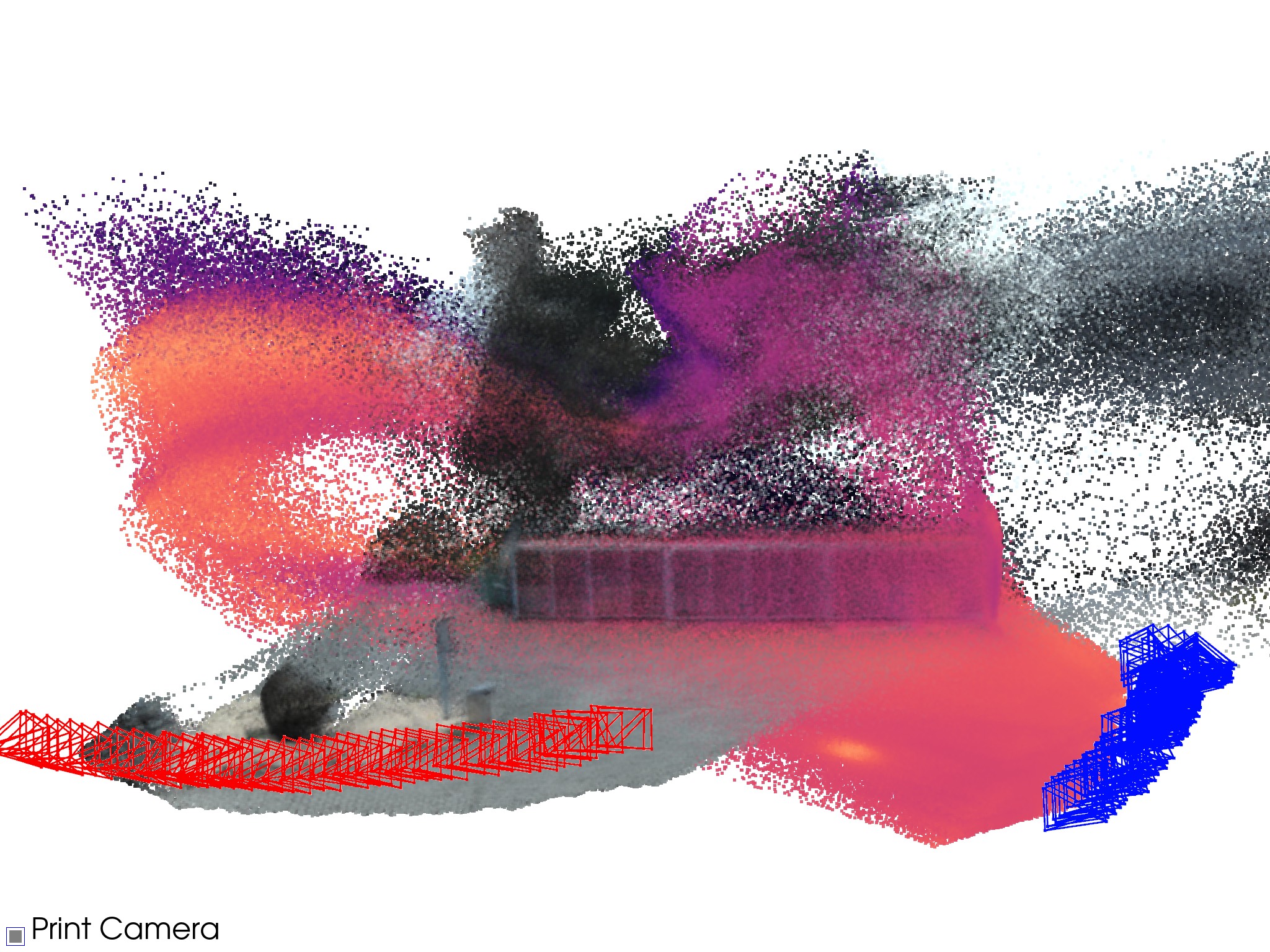
INR-Building
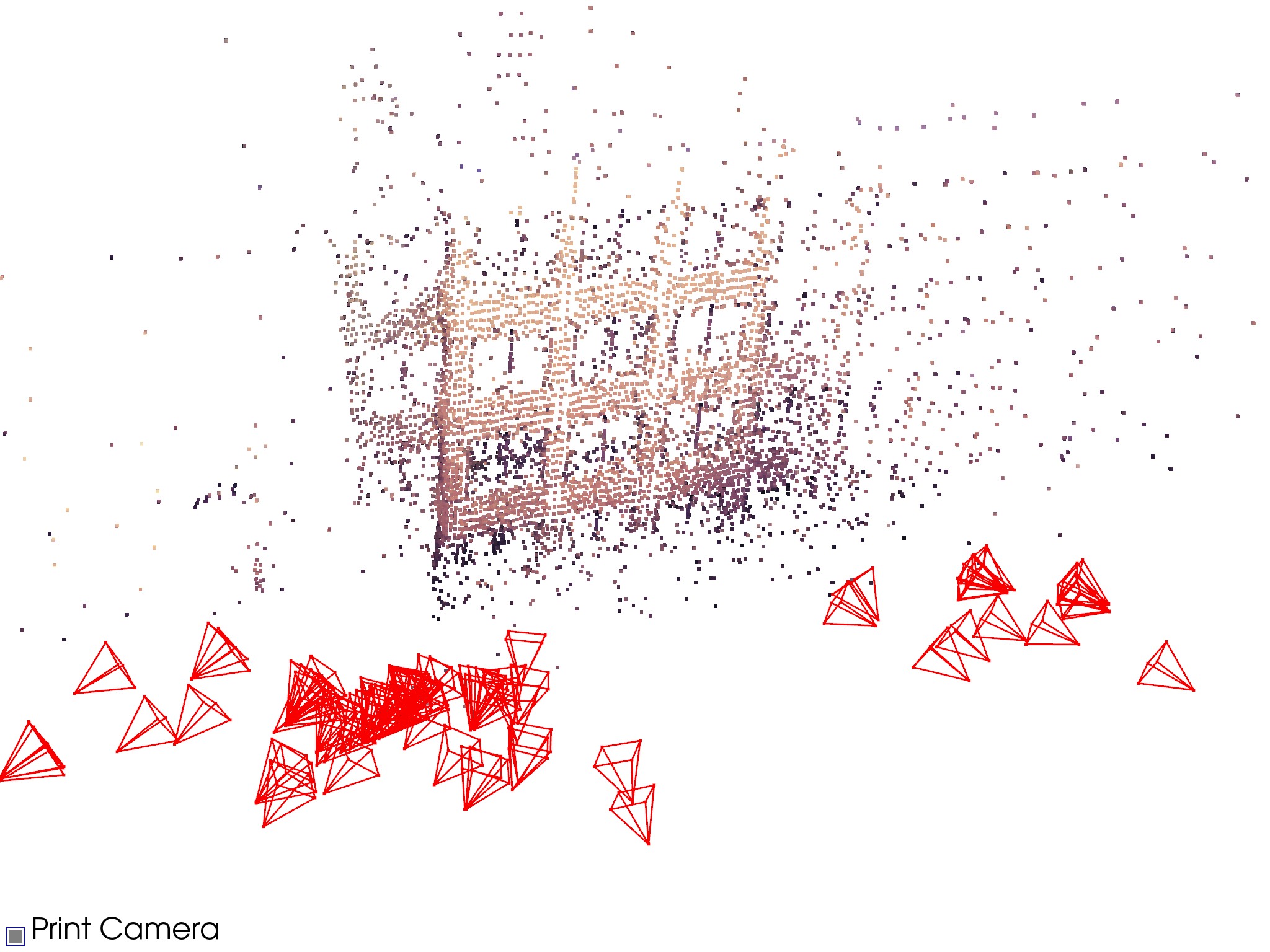
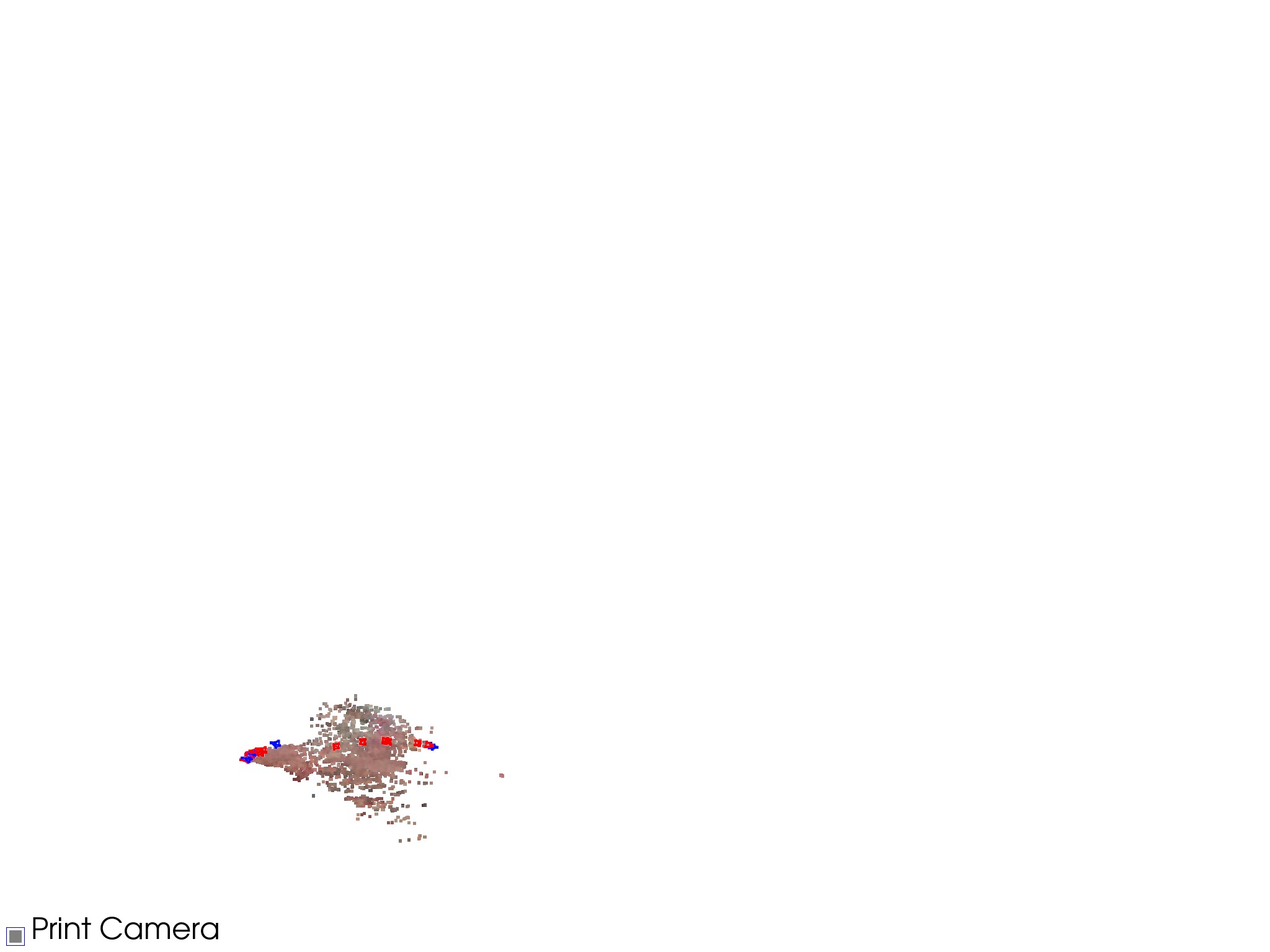
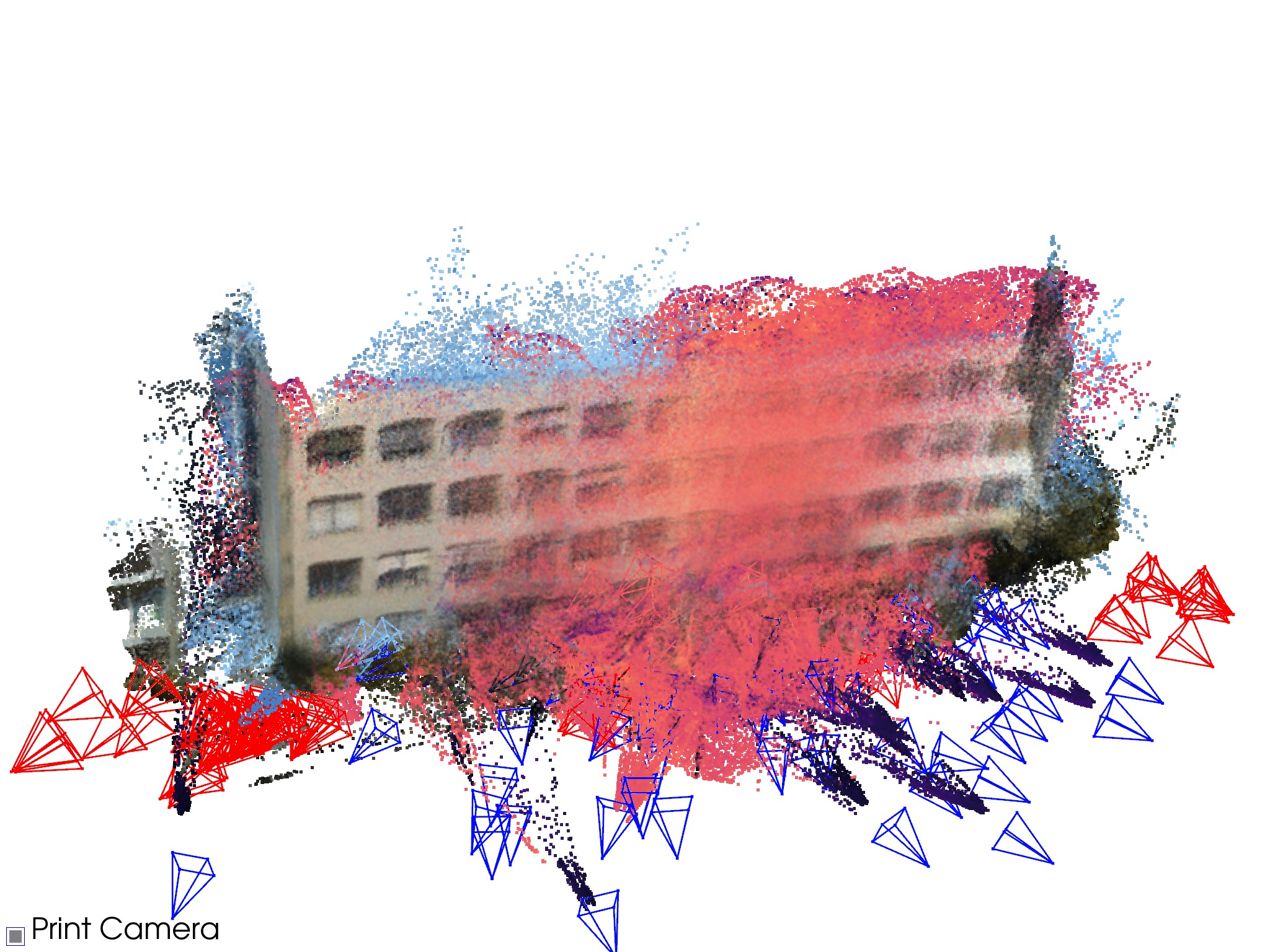
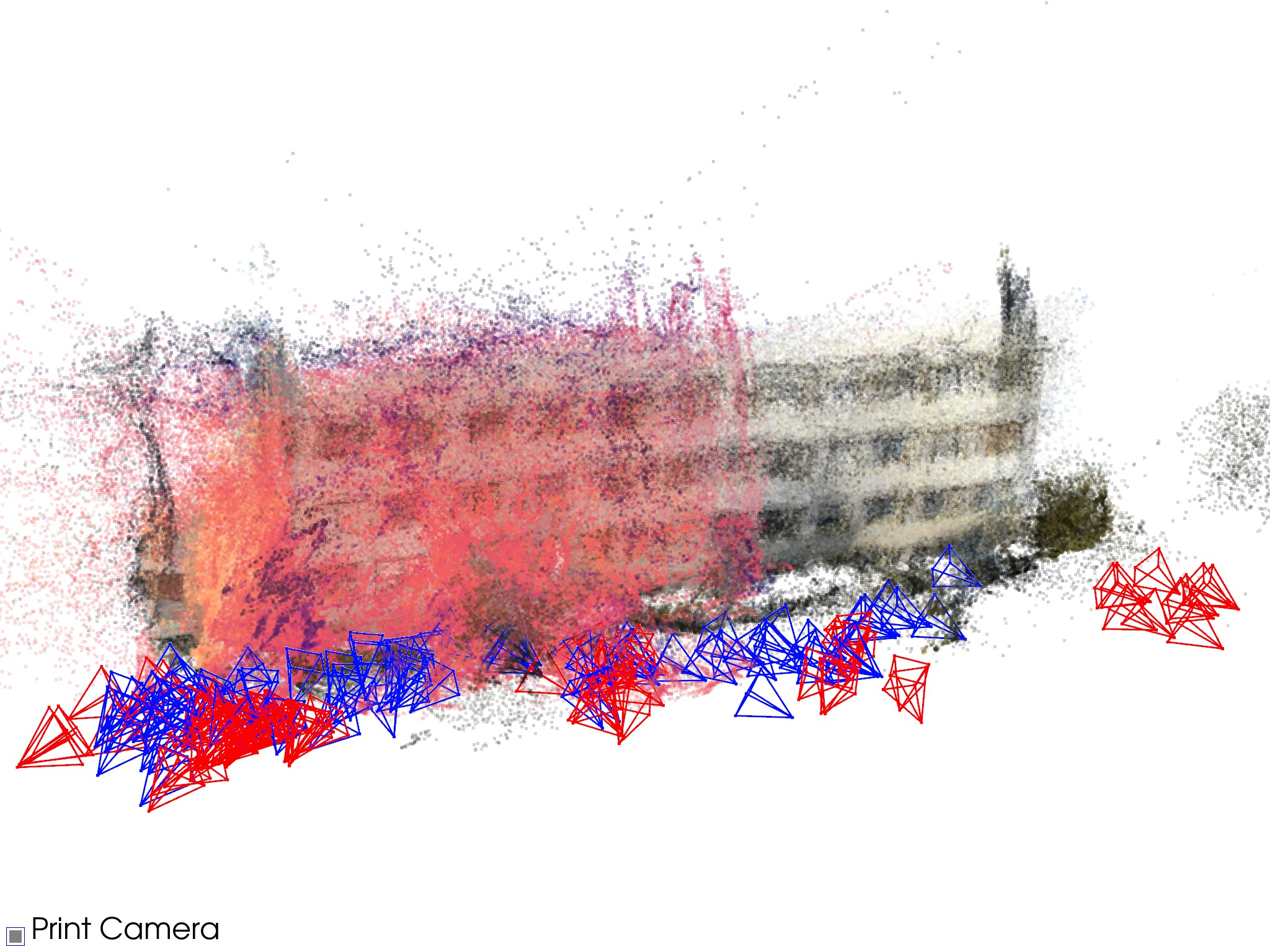
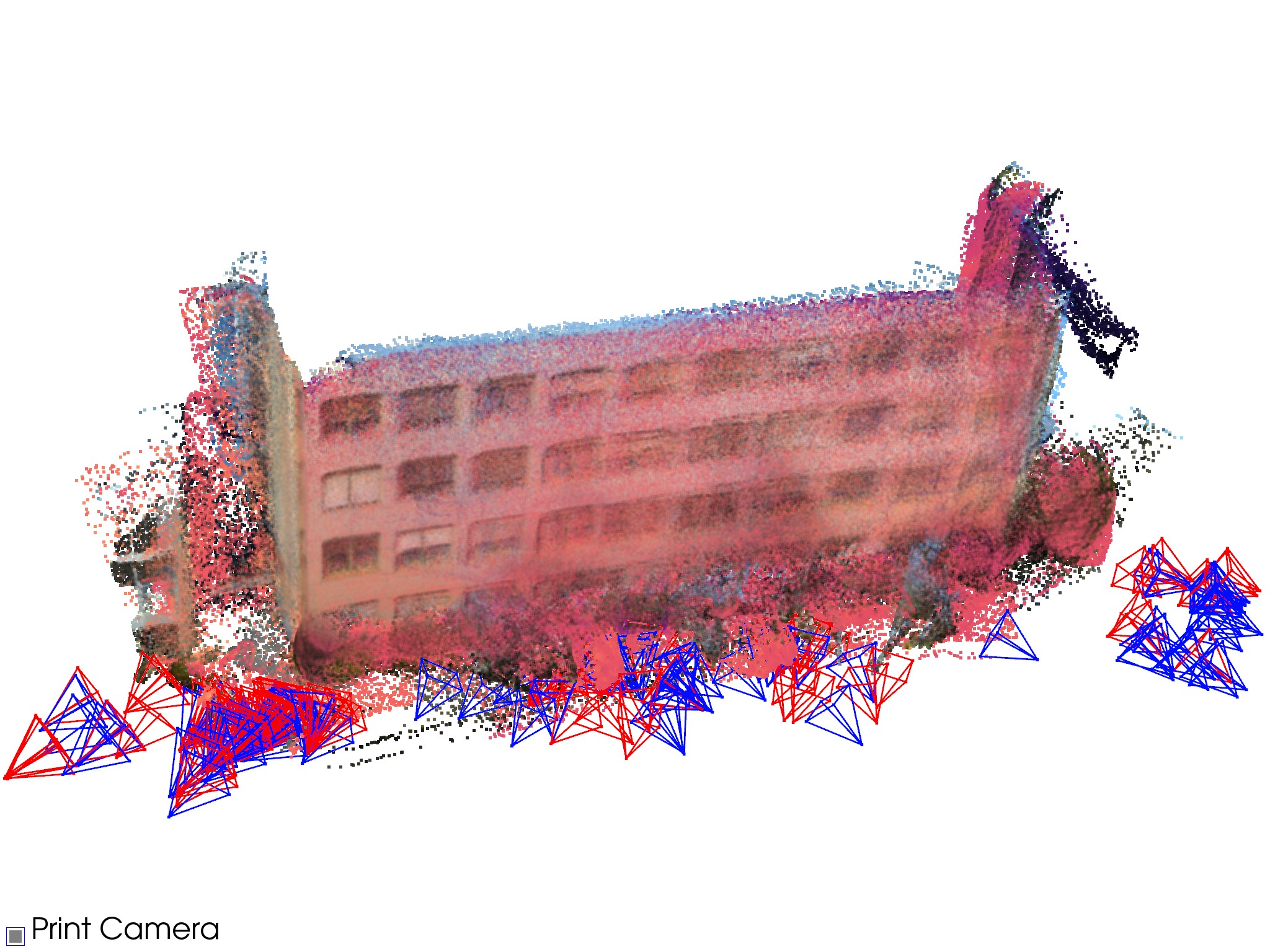
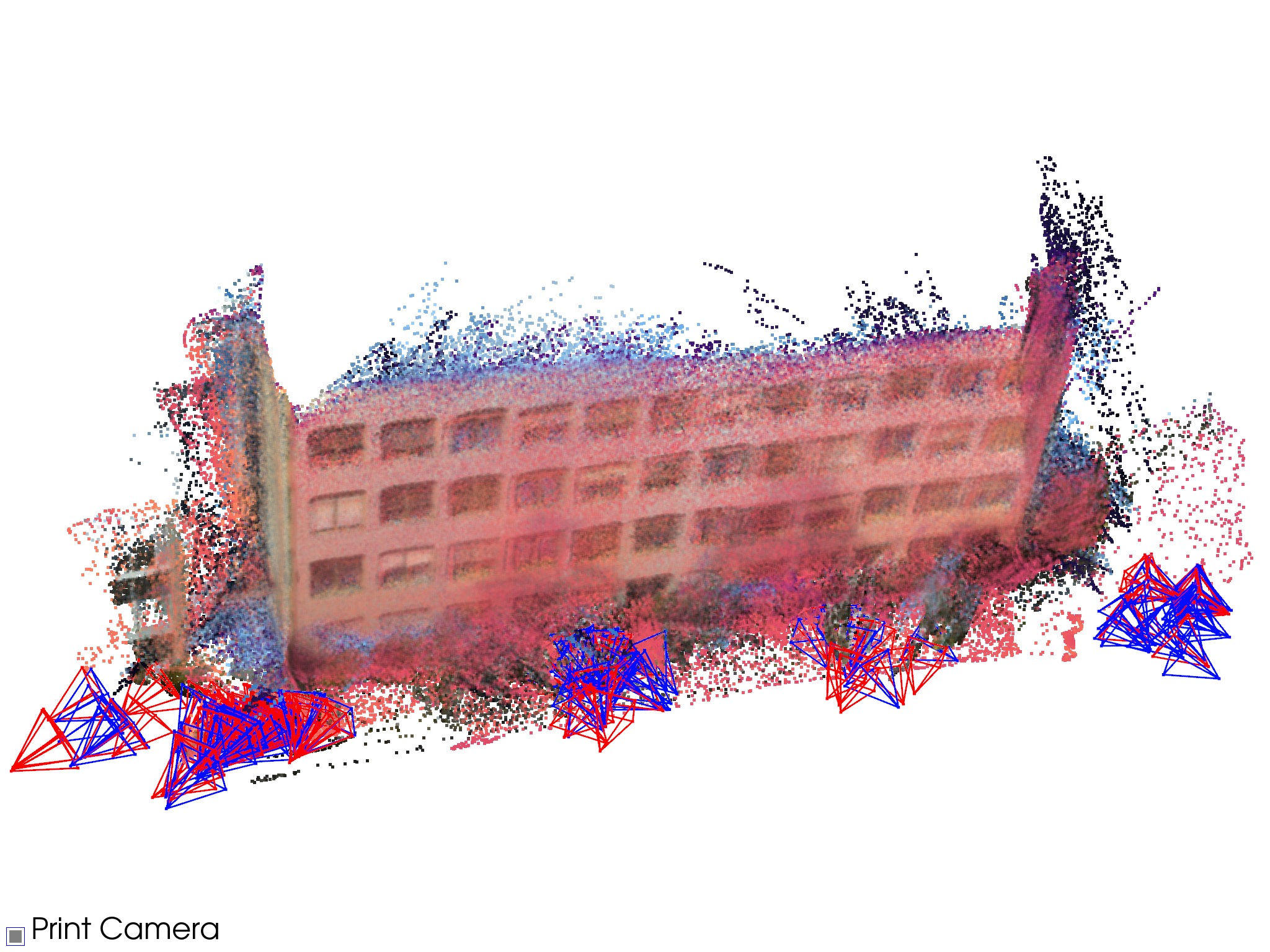
01_Annexet_No_
Radars_0
Radars_0
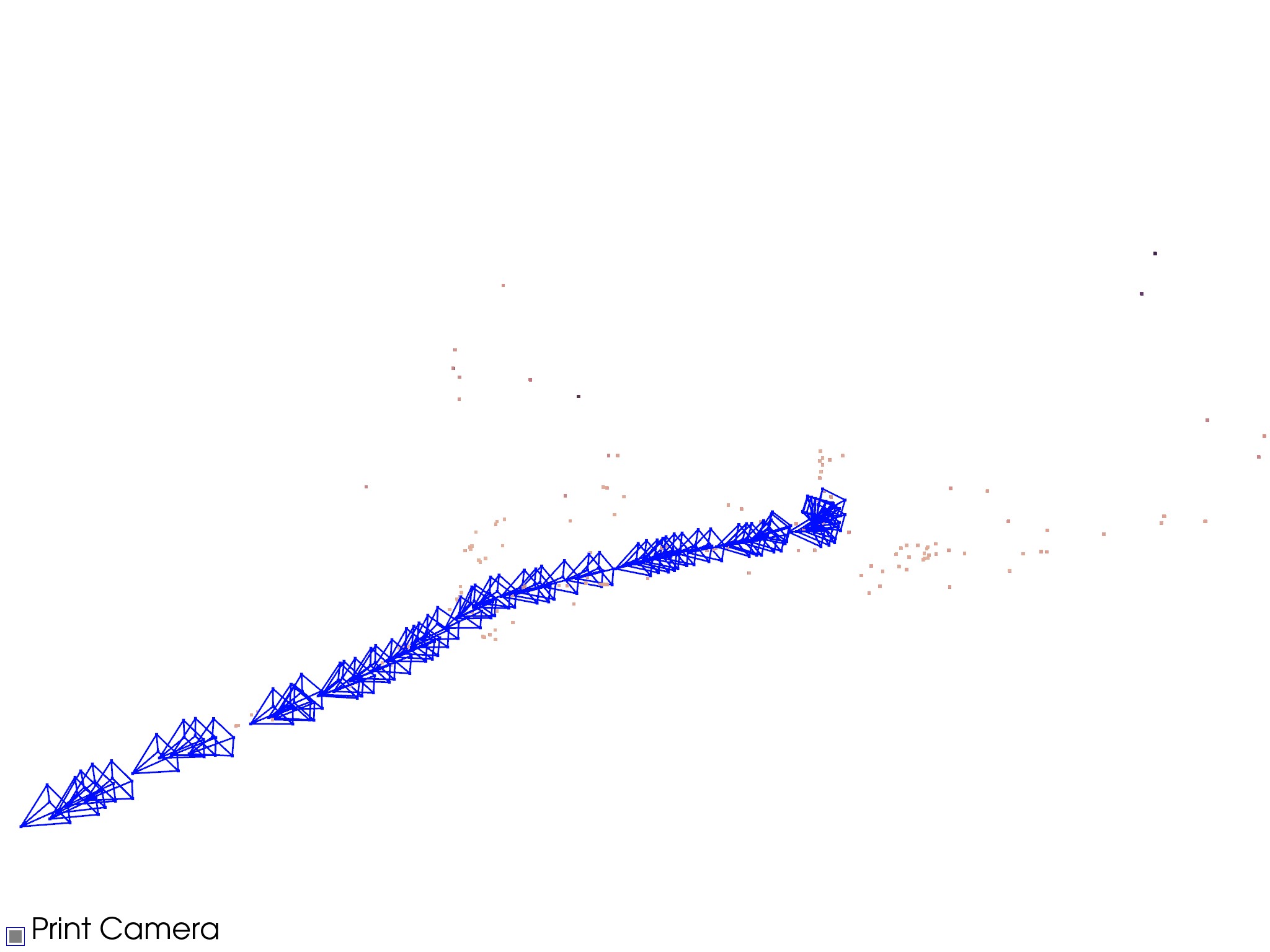

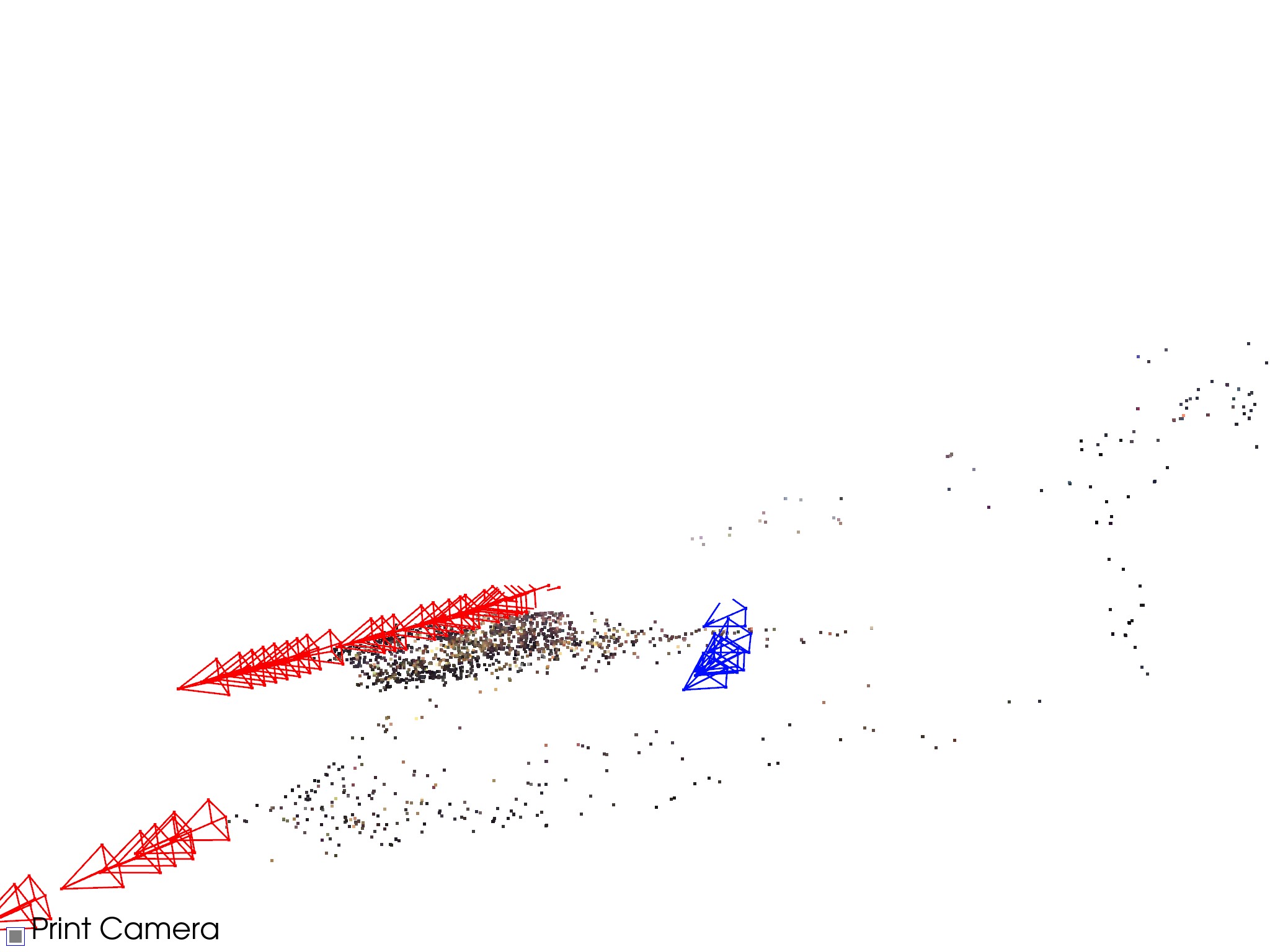
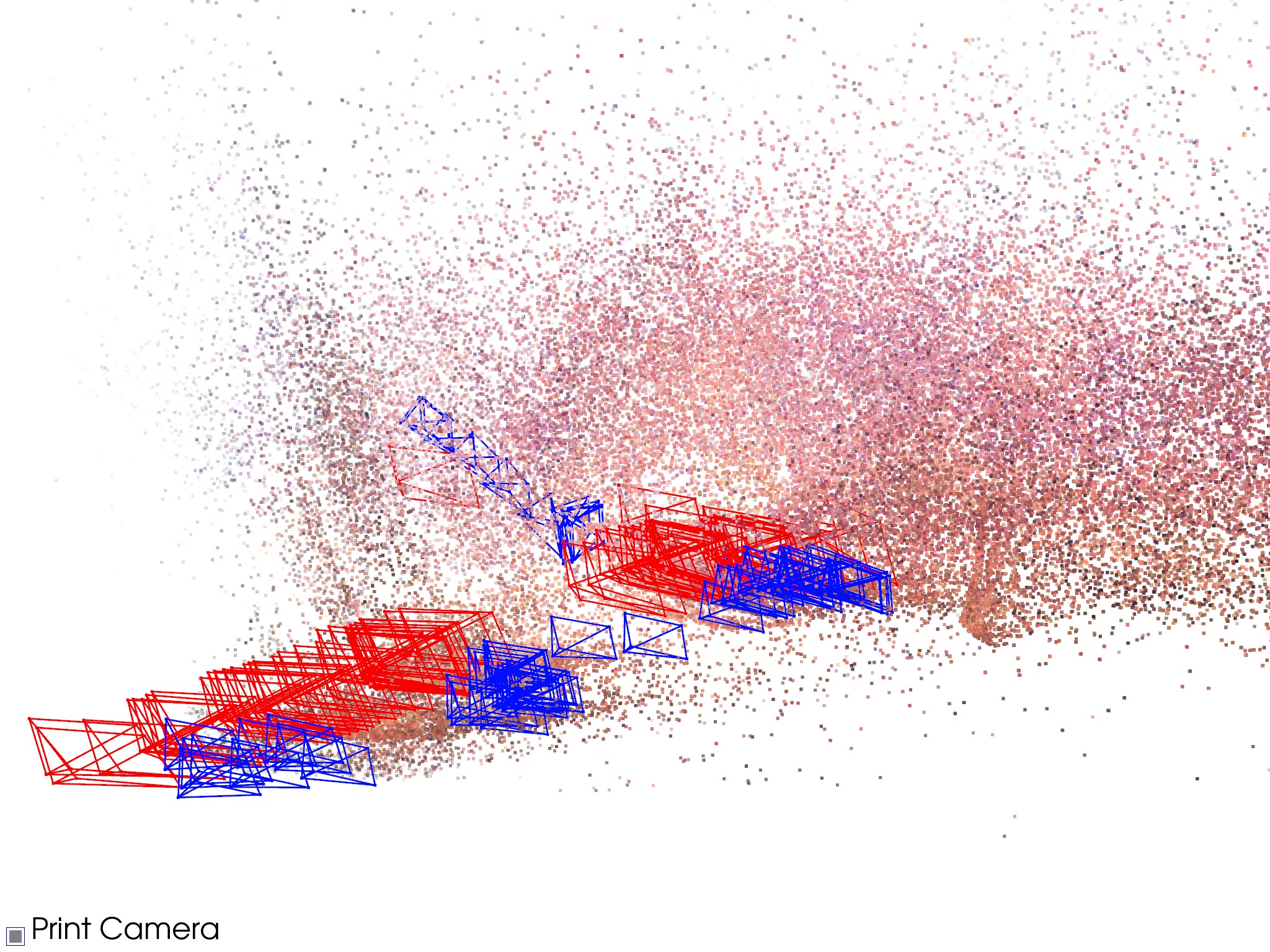
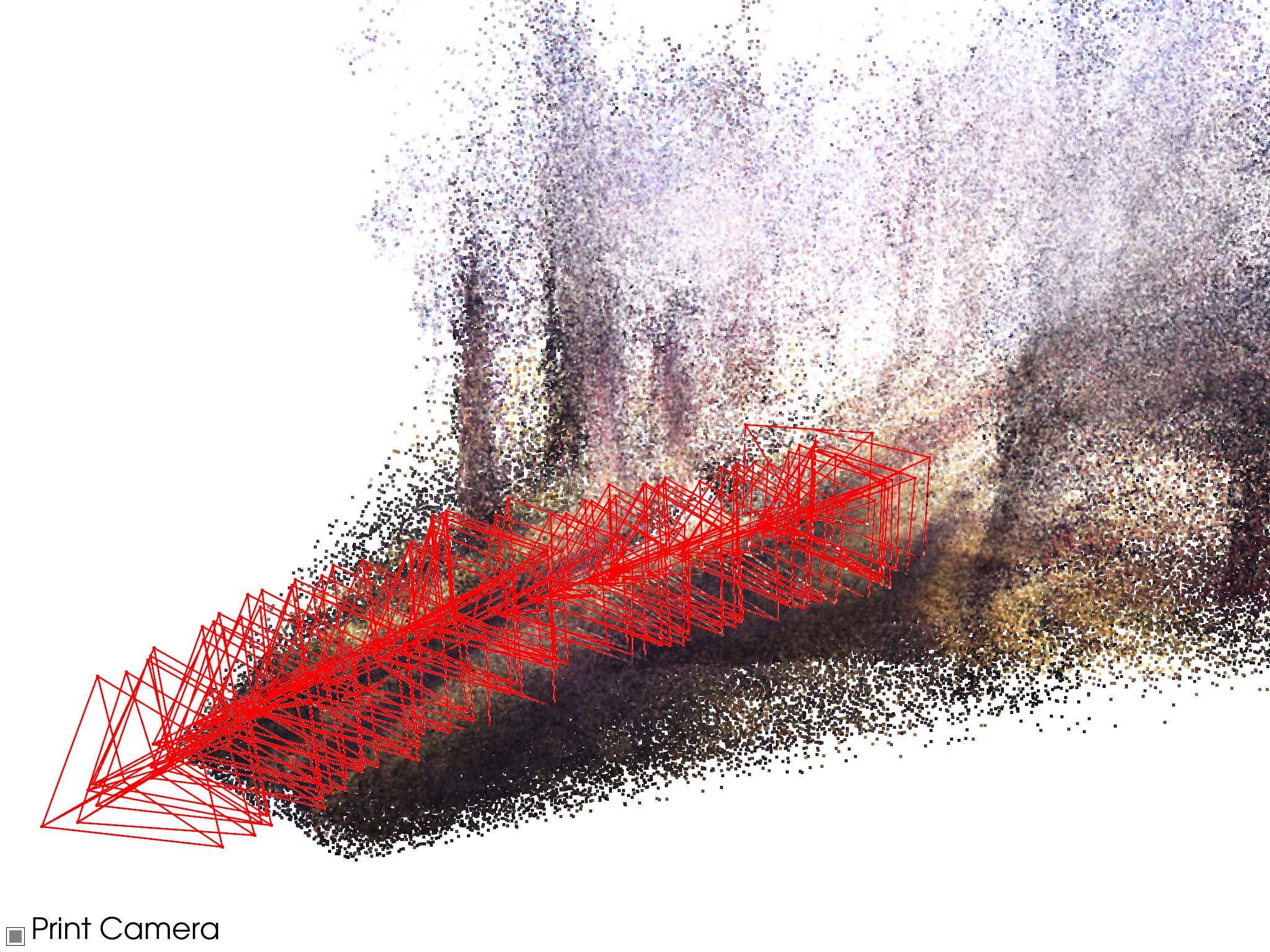
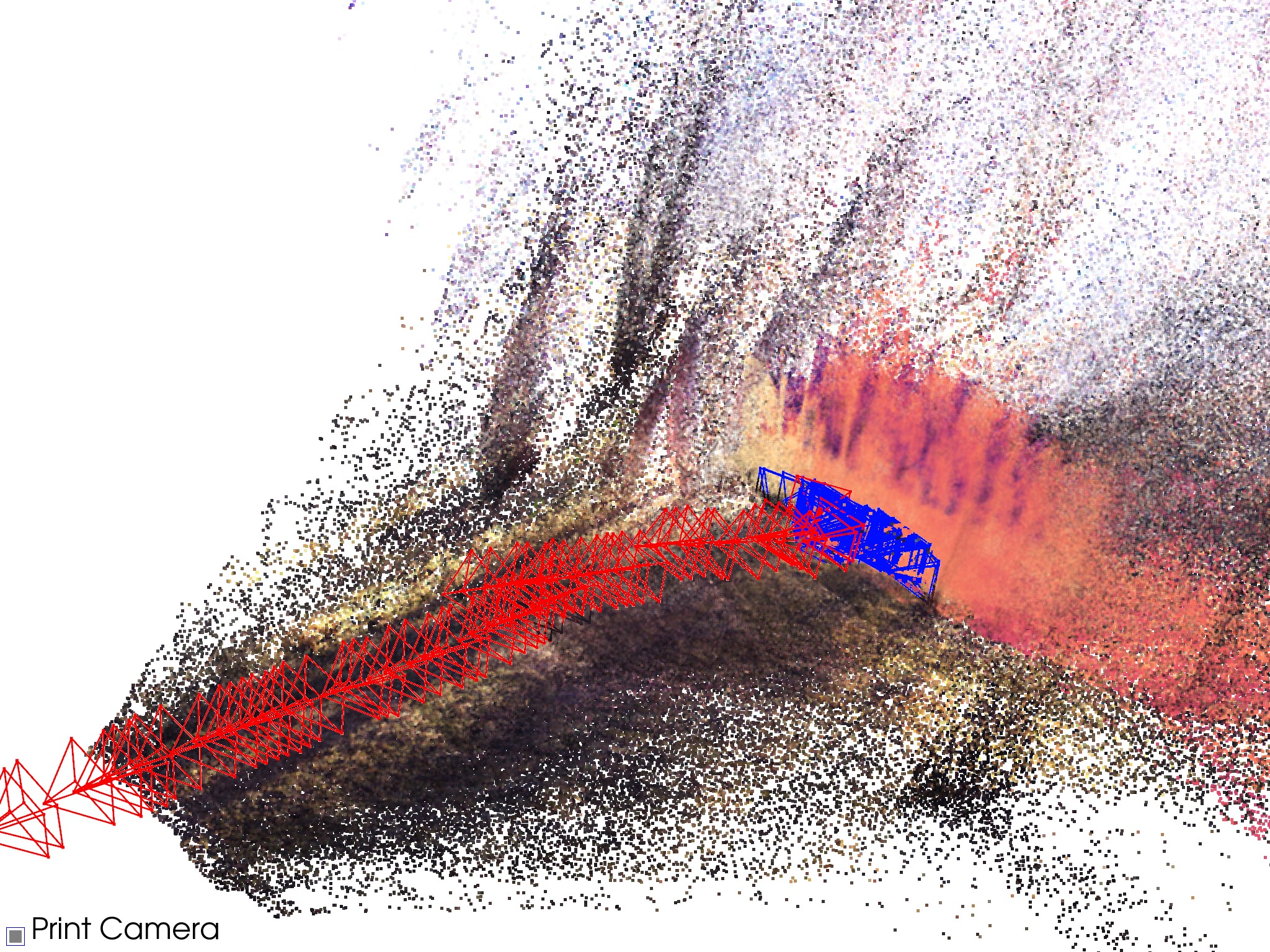
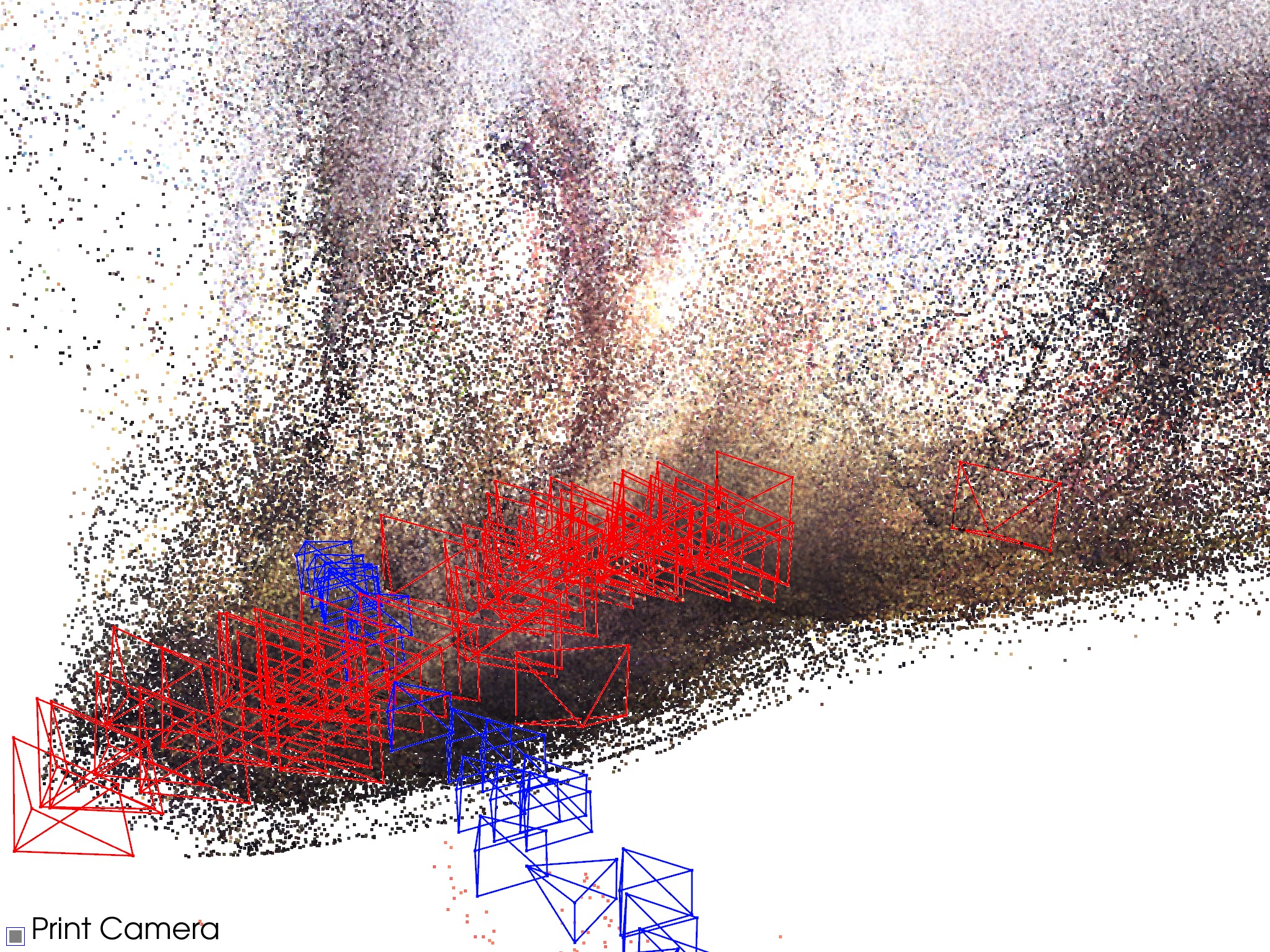
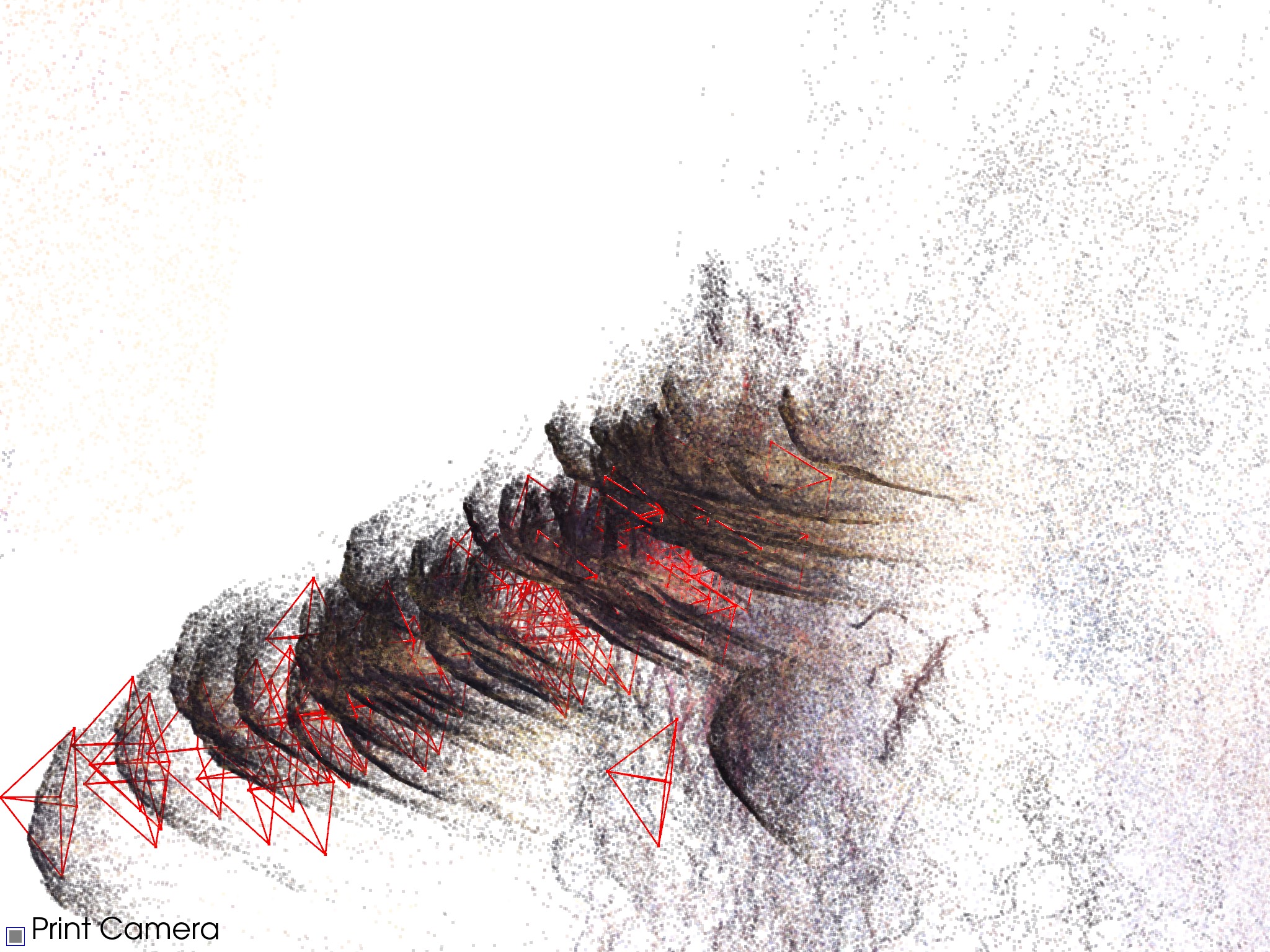
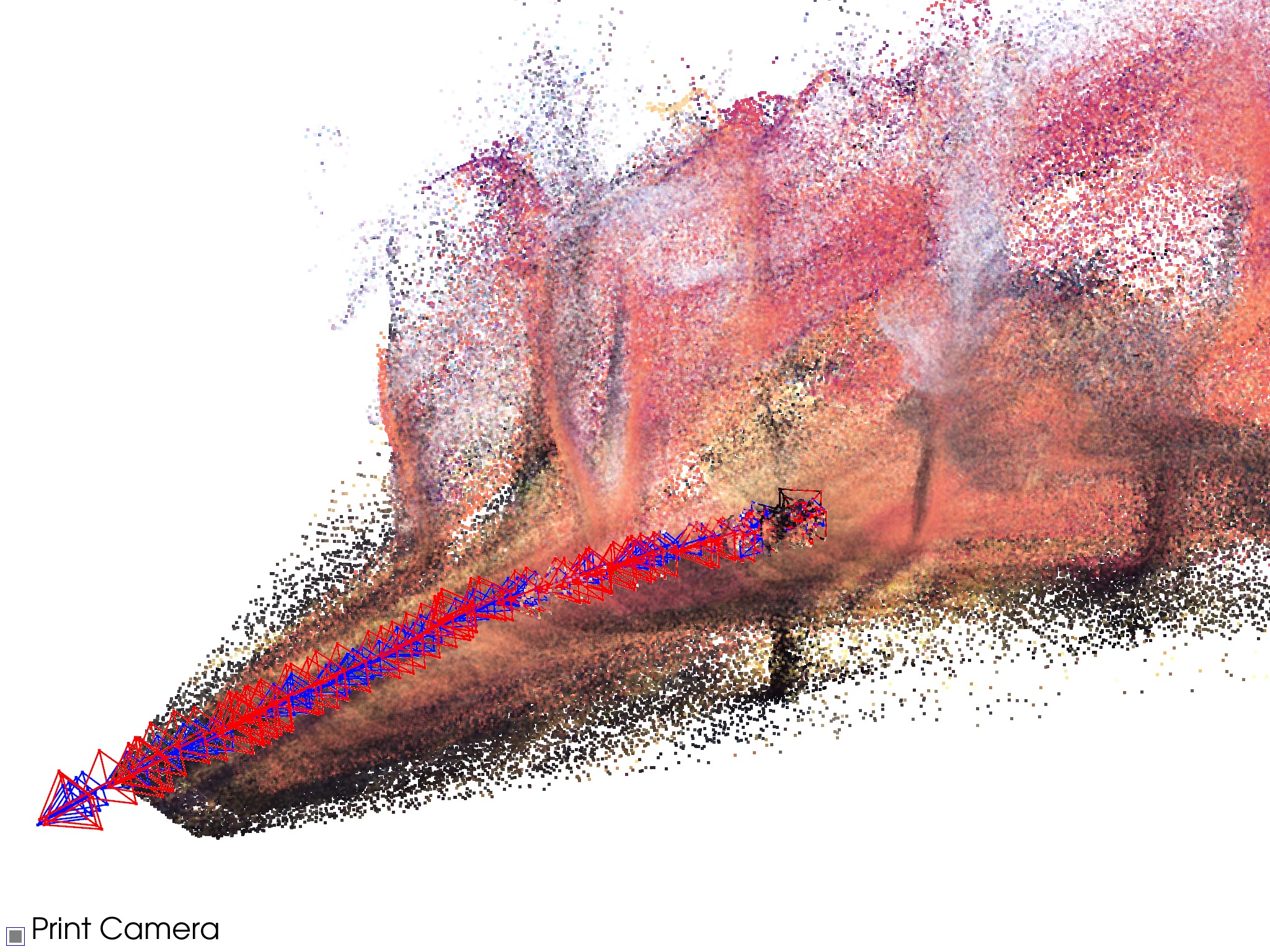
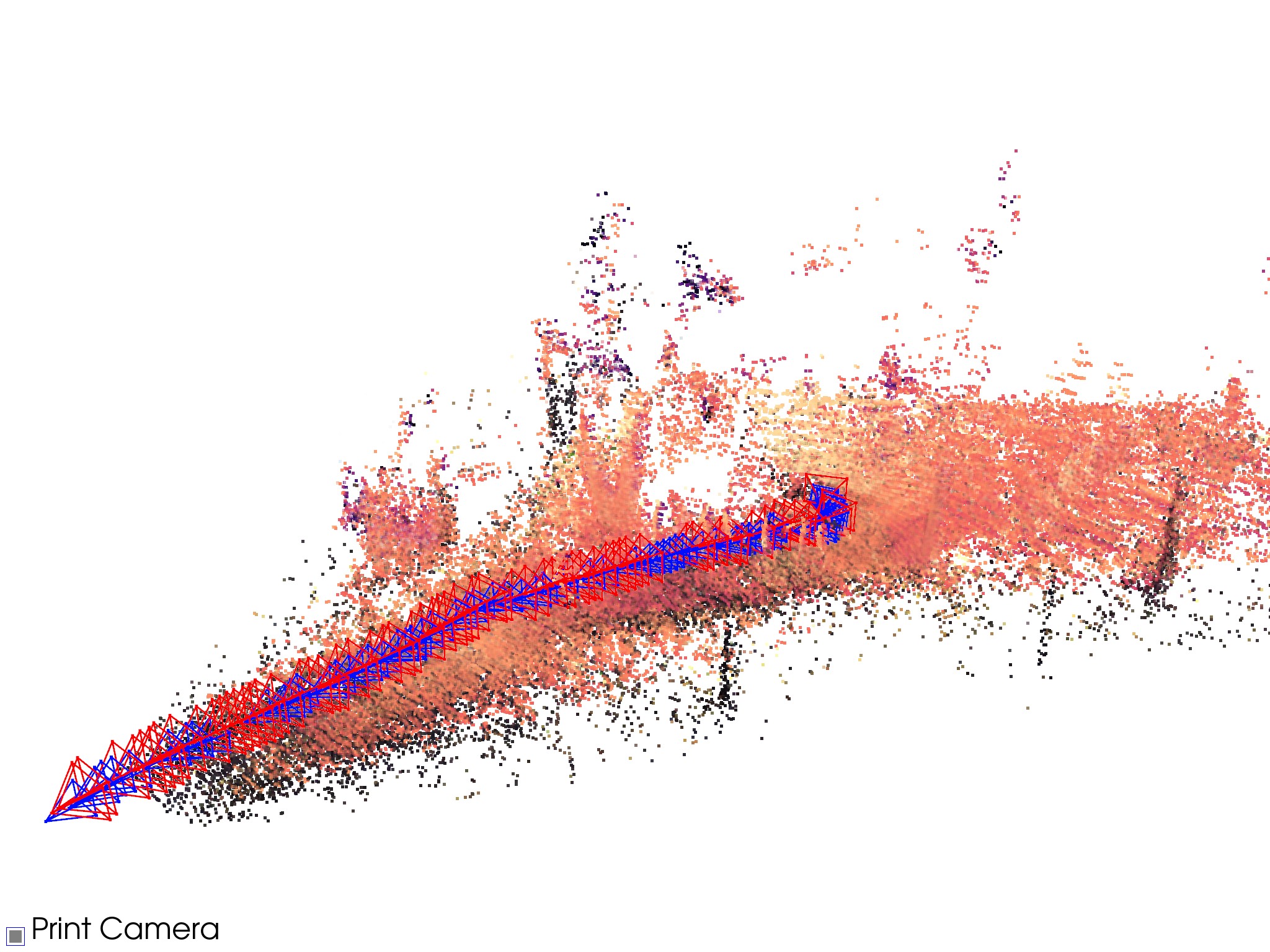
SmokeSeer
drone-bathroom
drone-bathroom
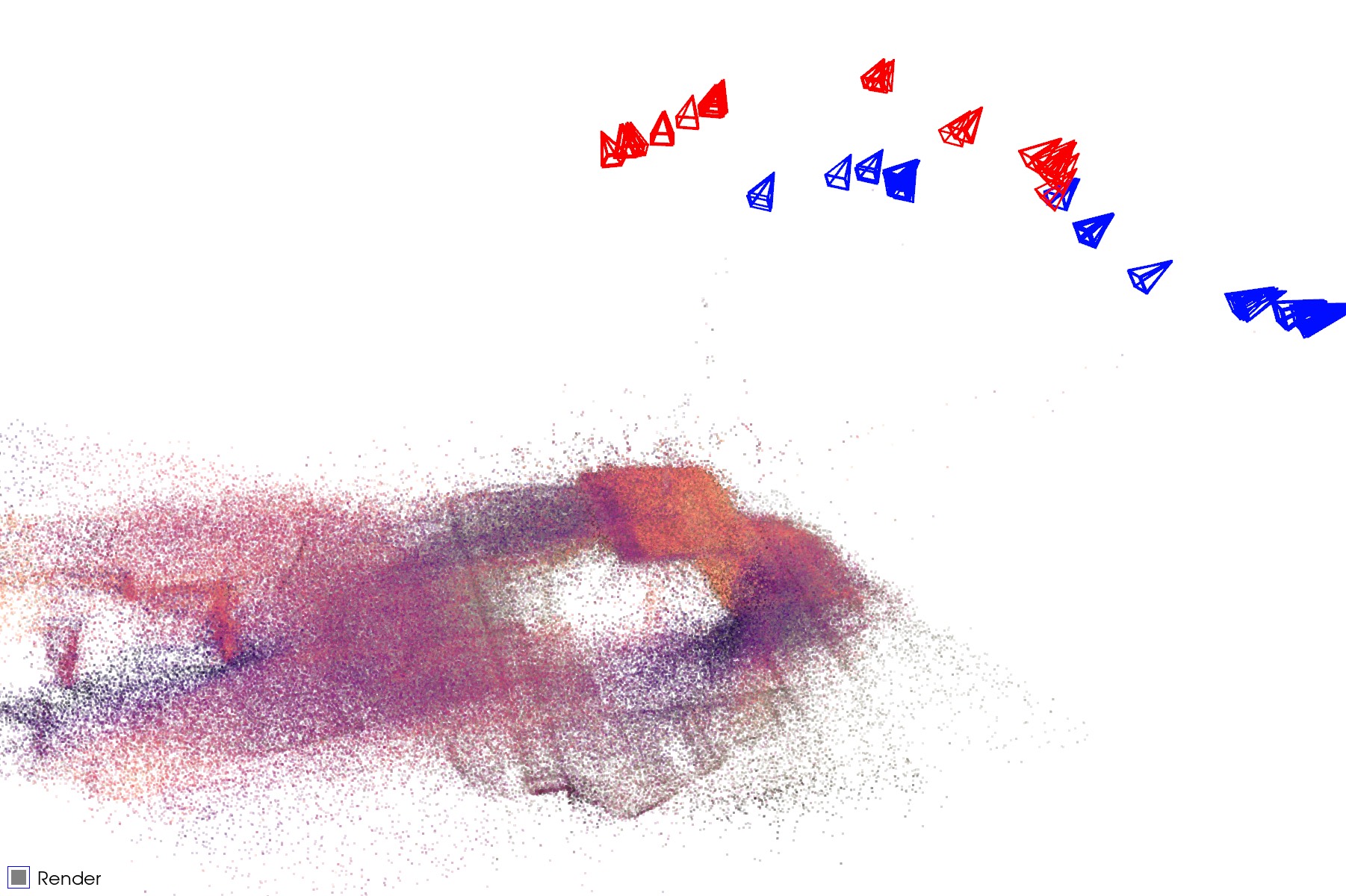
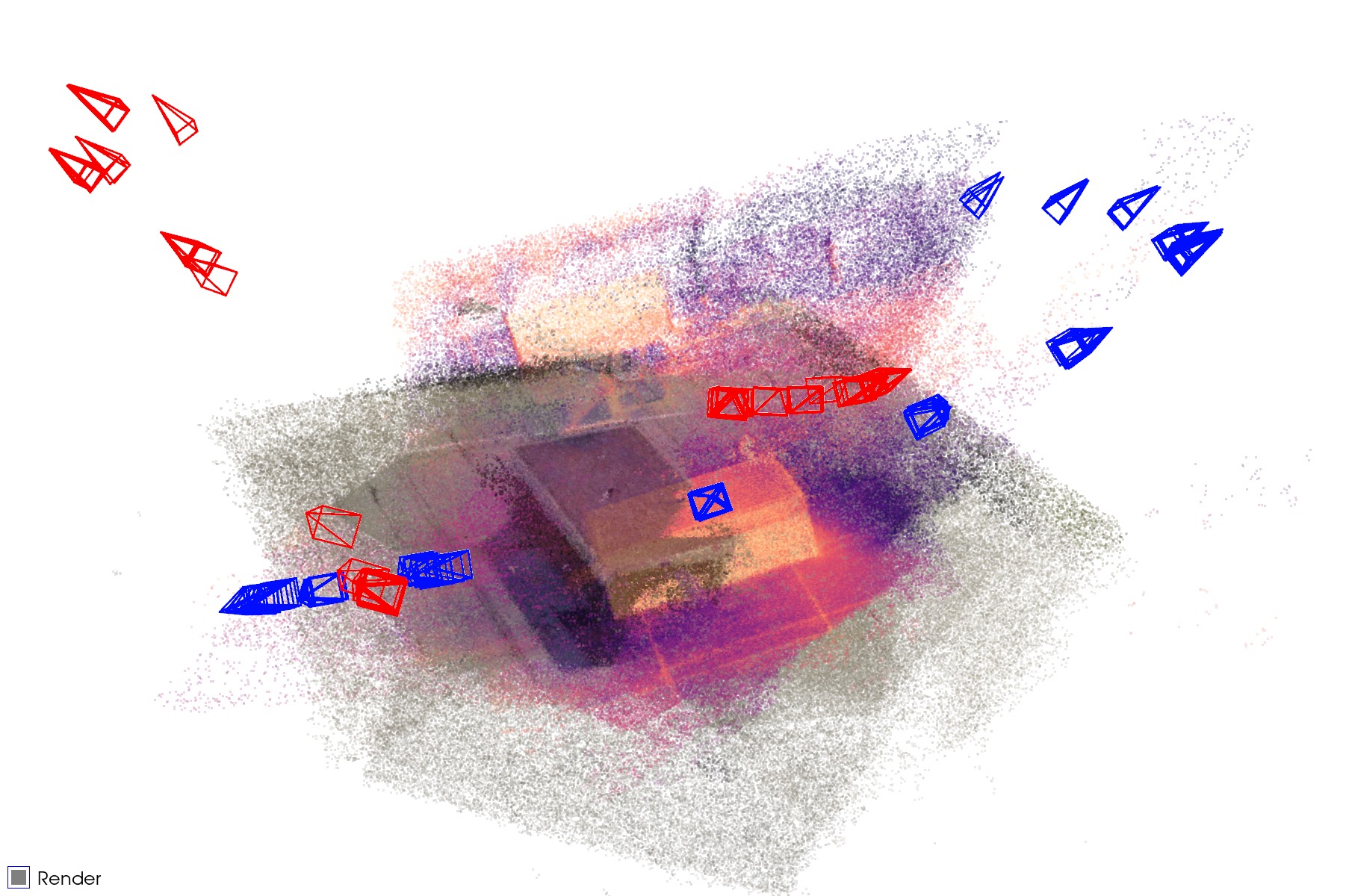
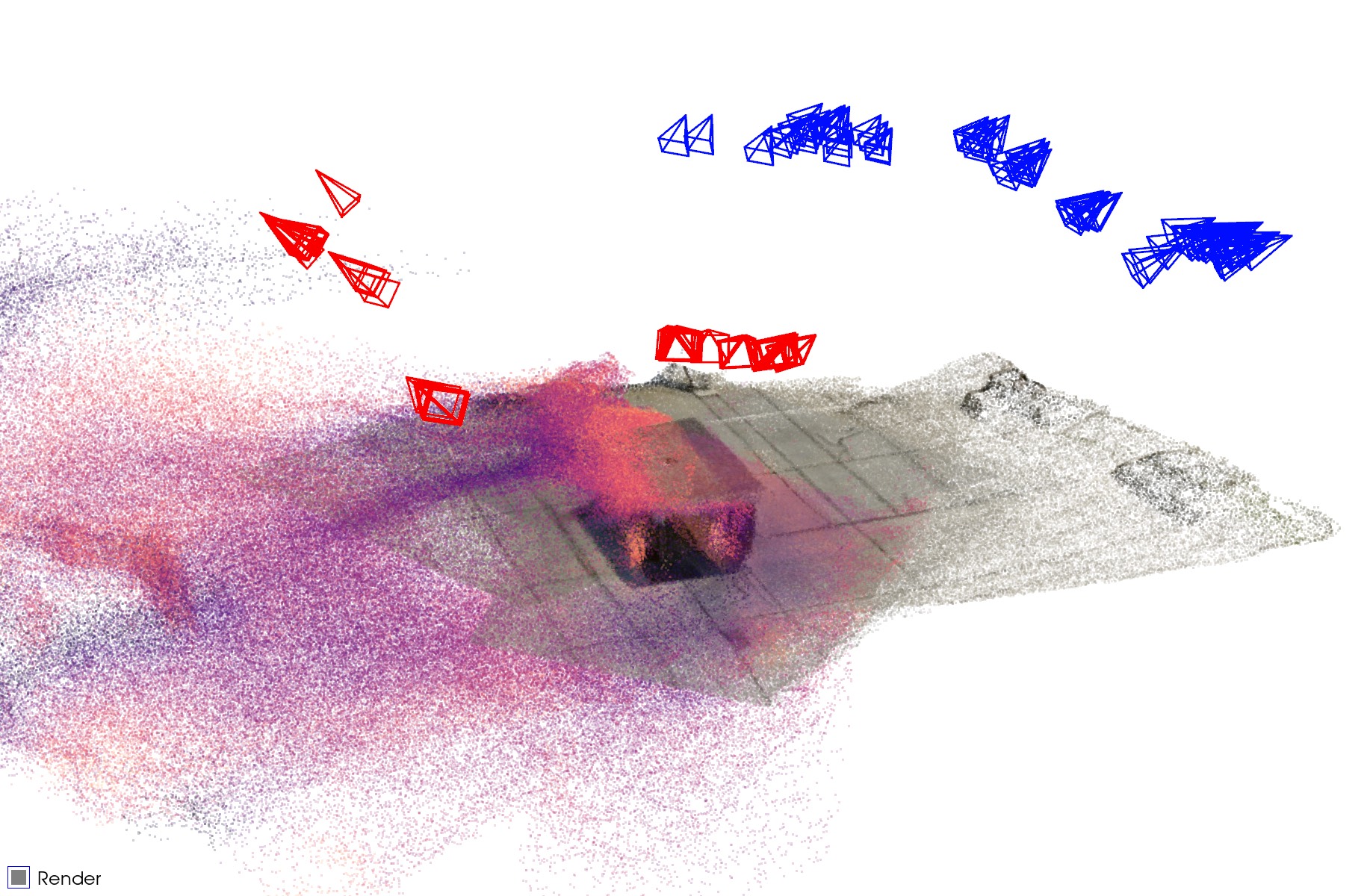
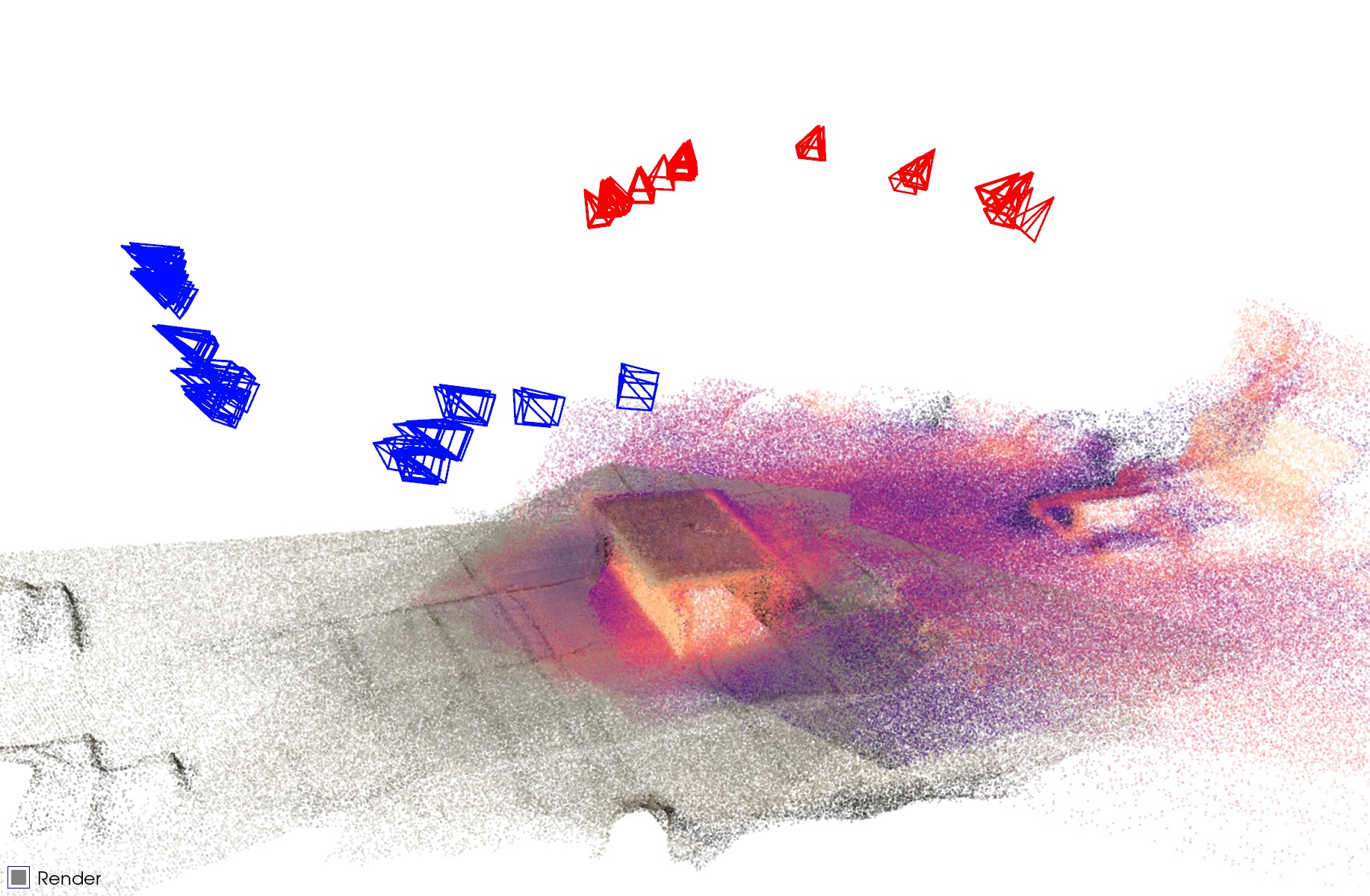
Parterre

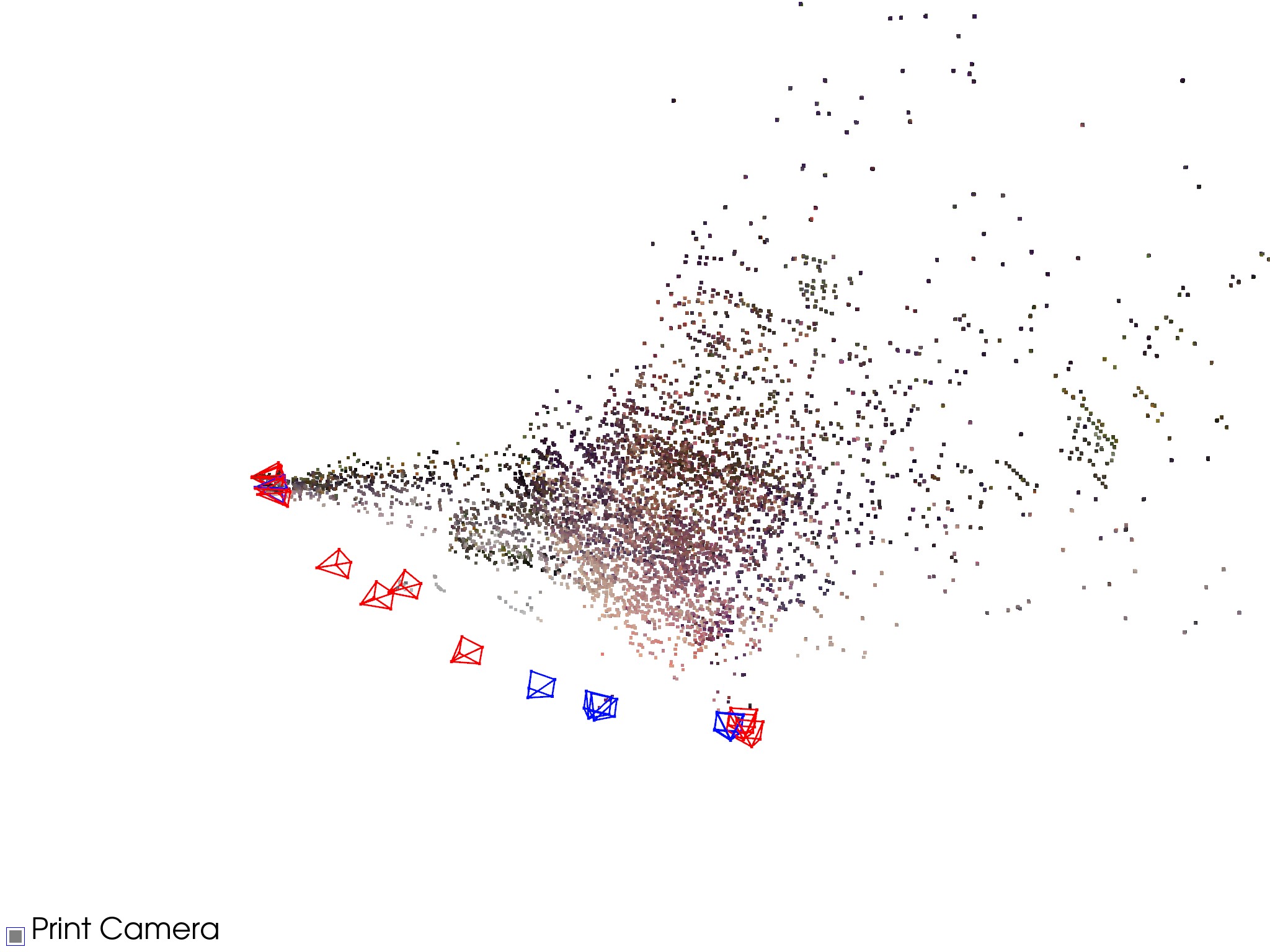
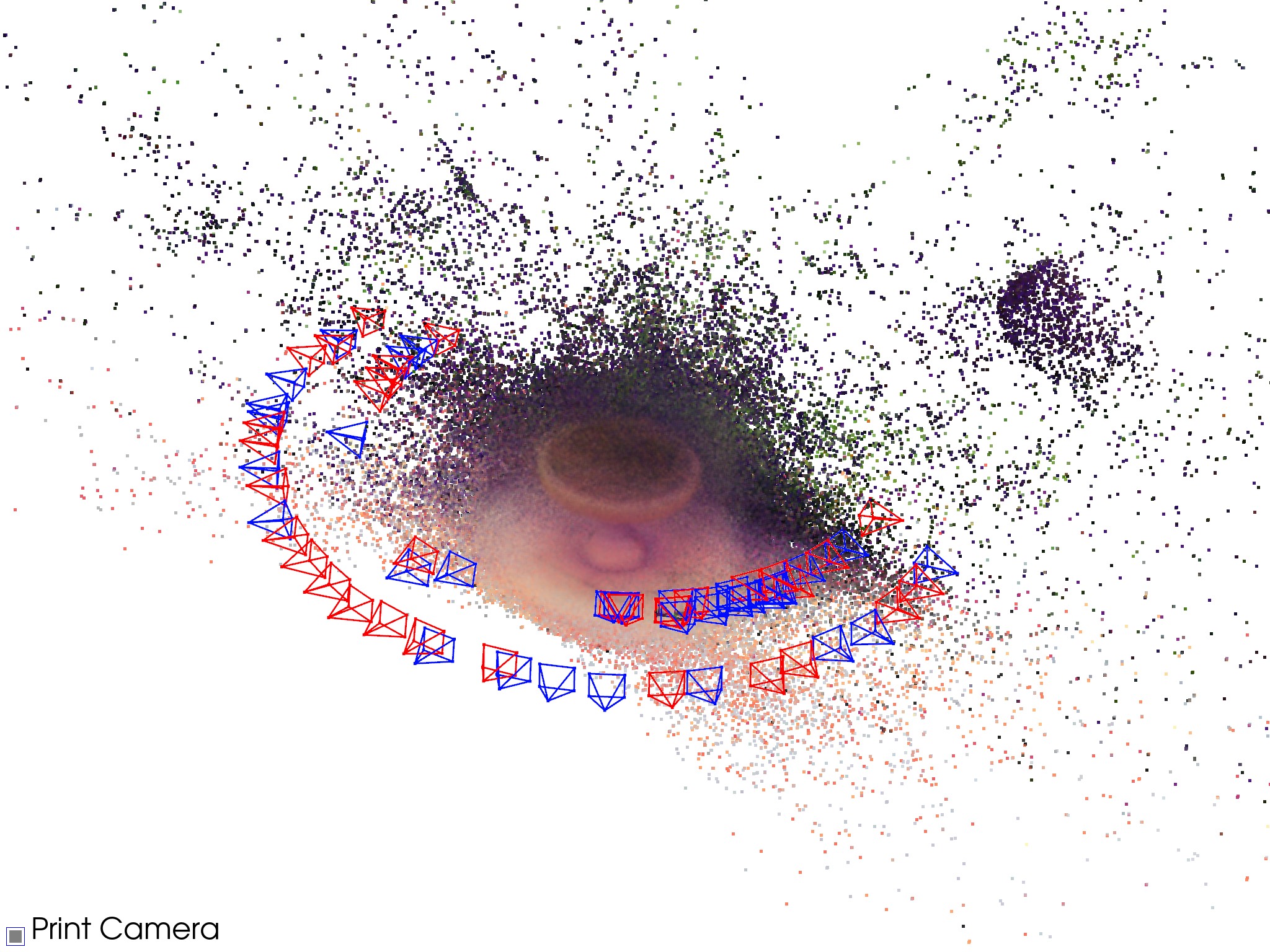

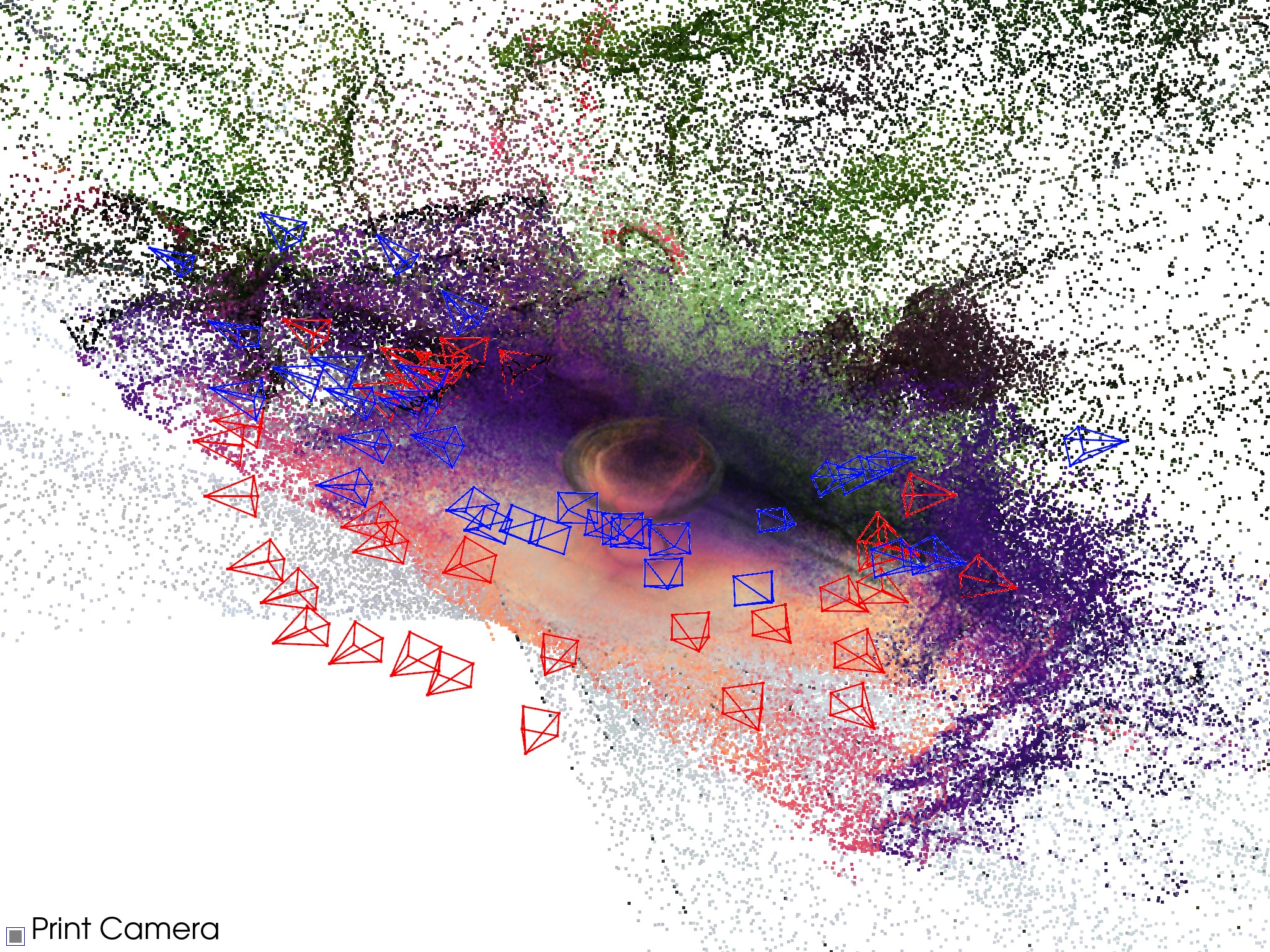
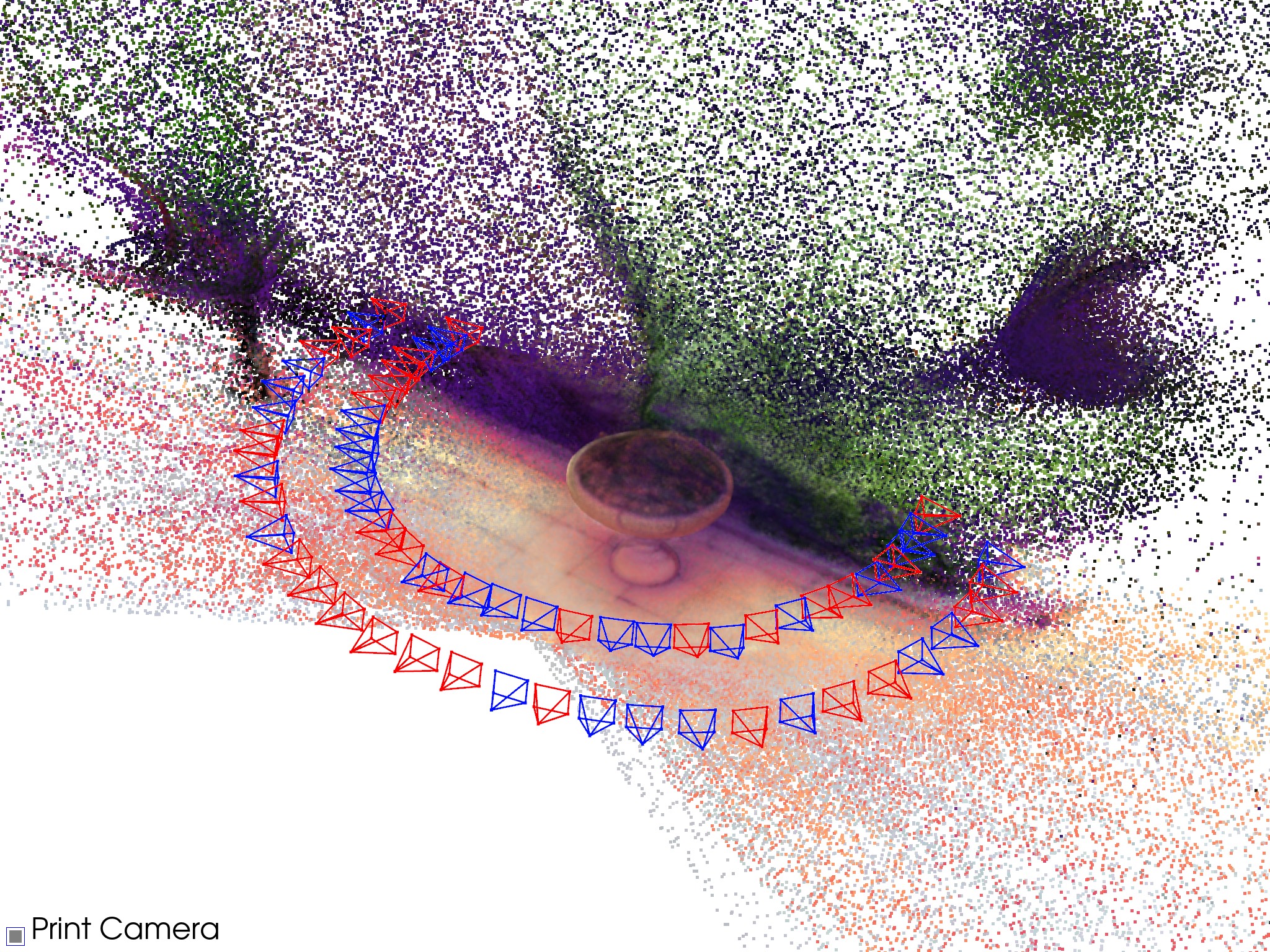
laptop

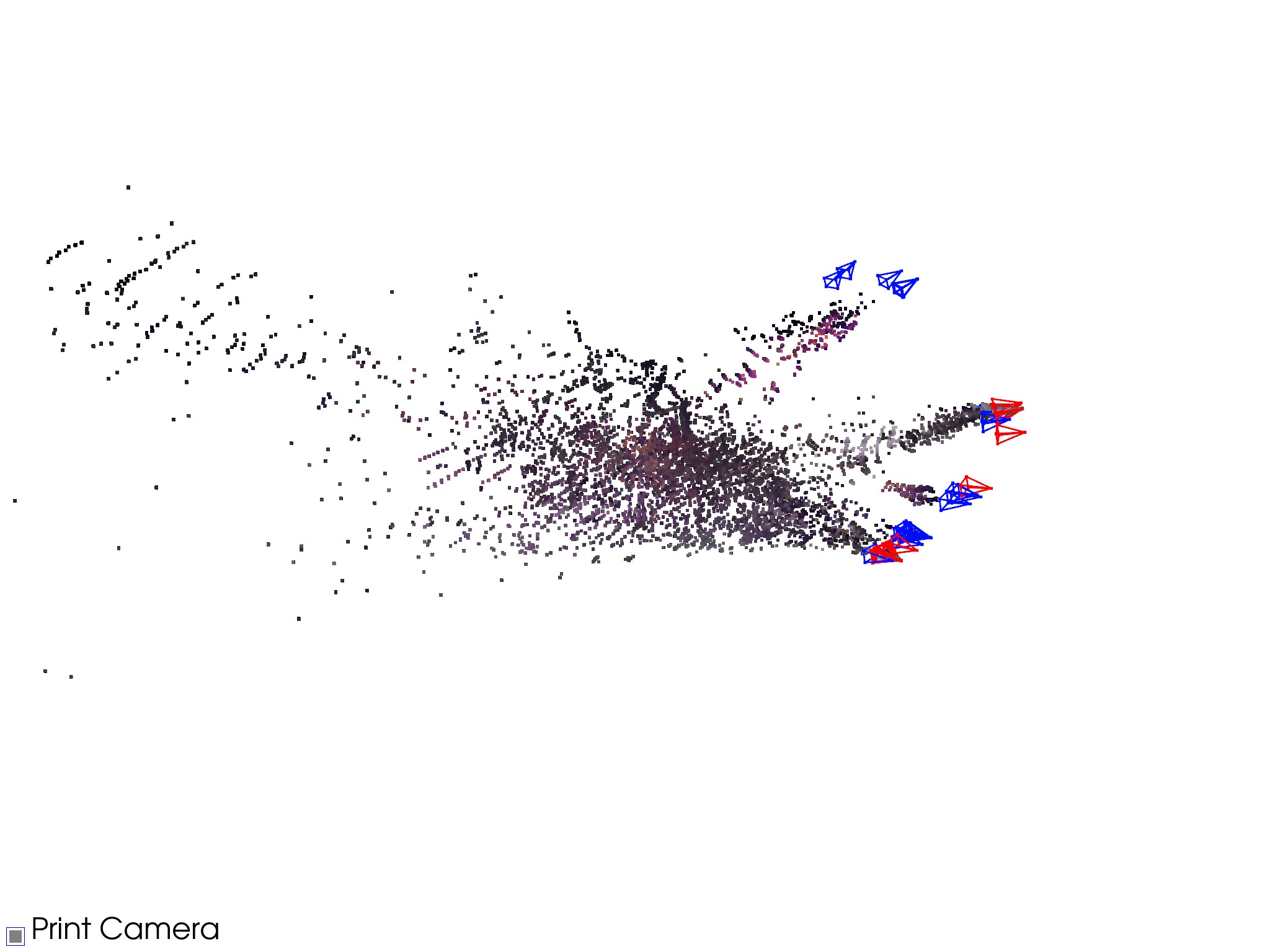
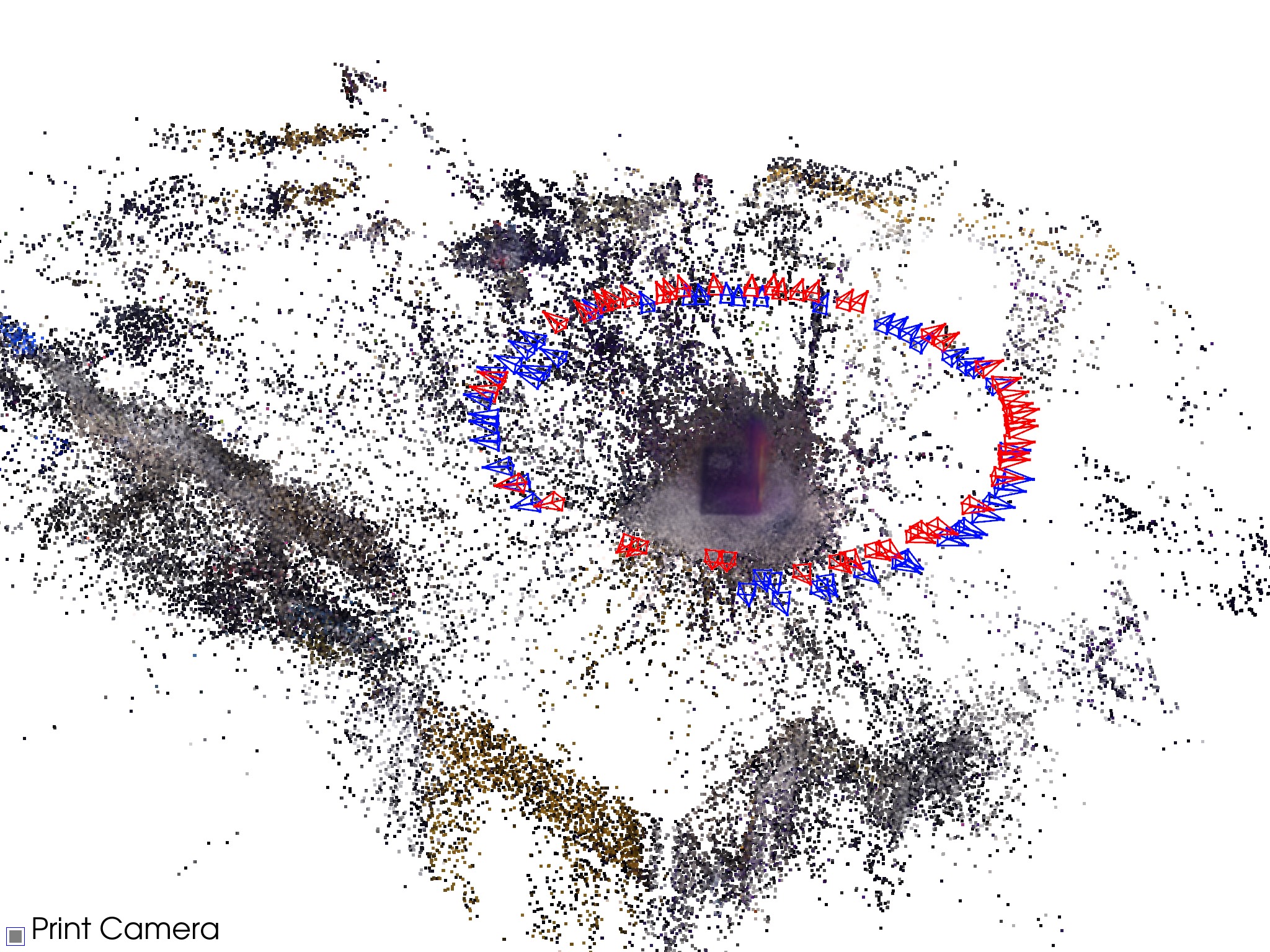
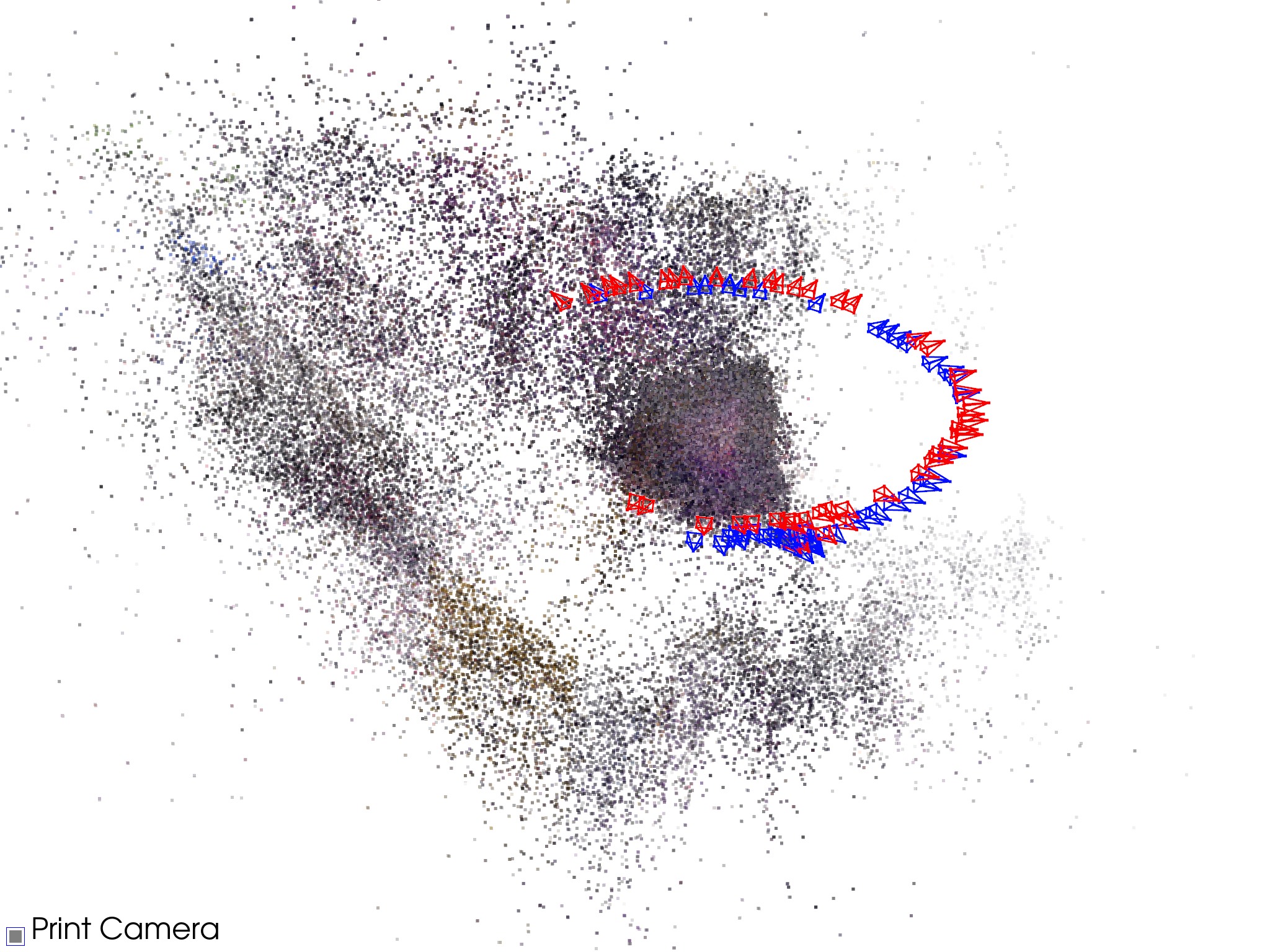
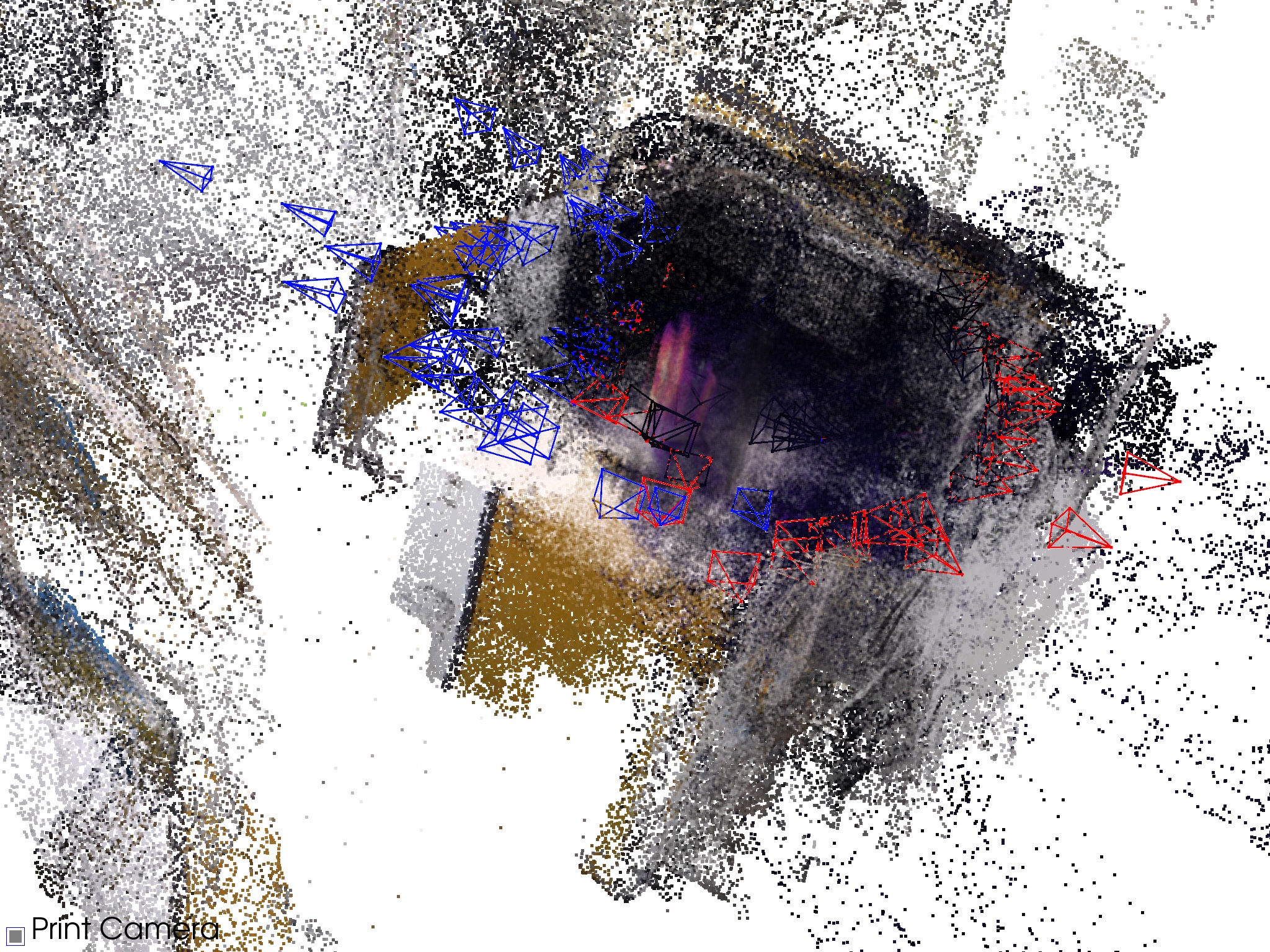
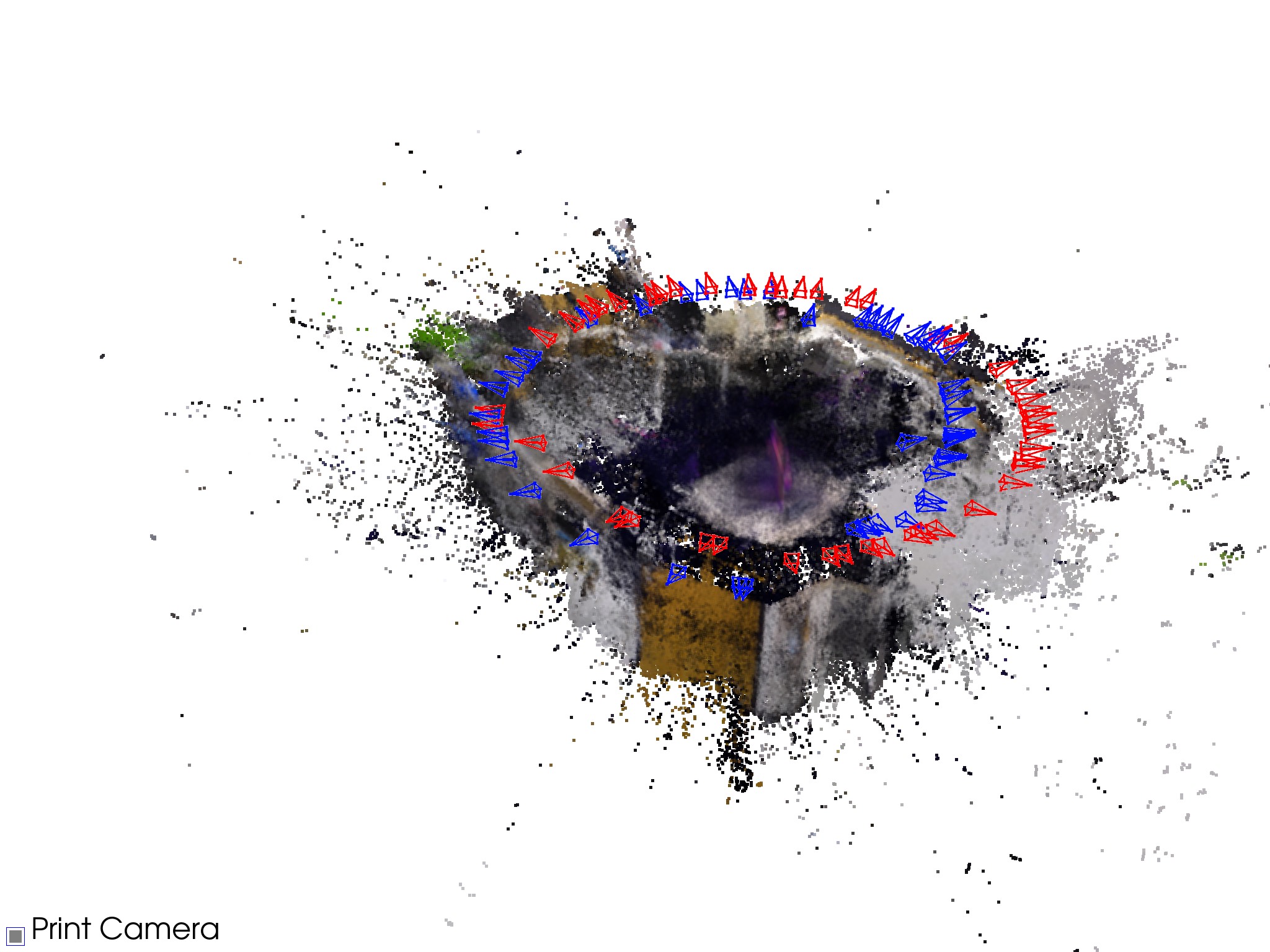
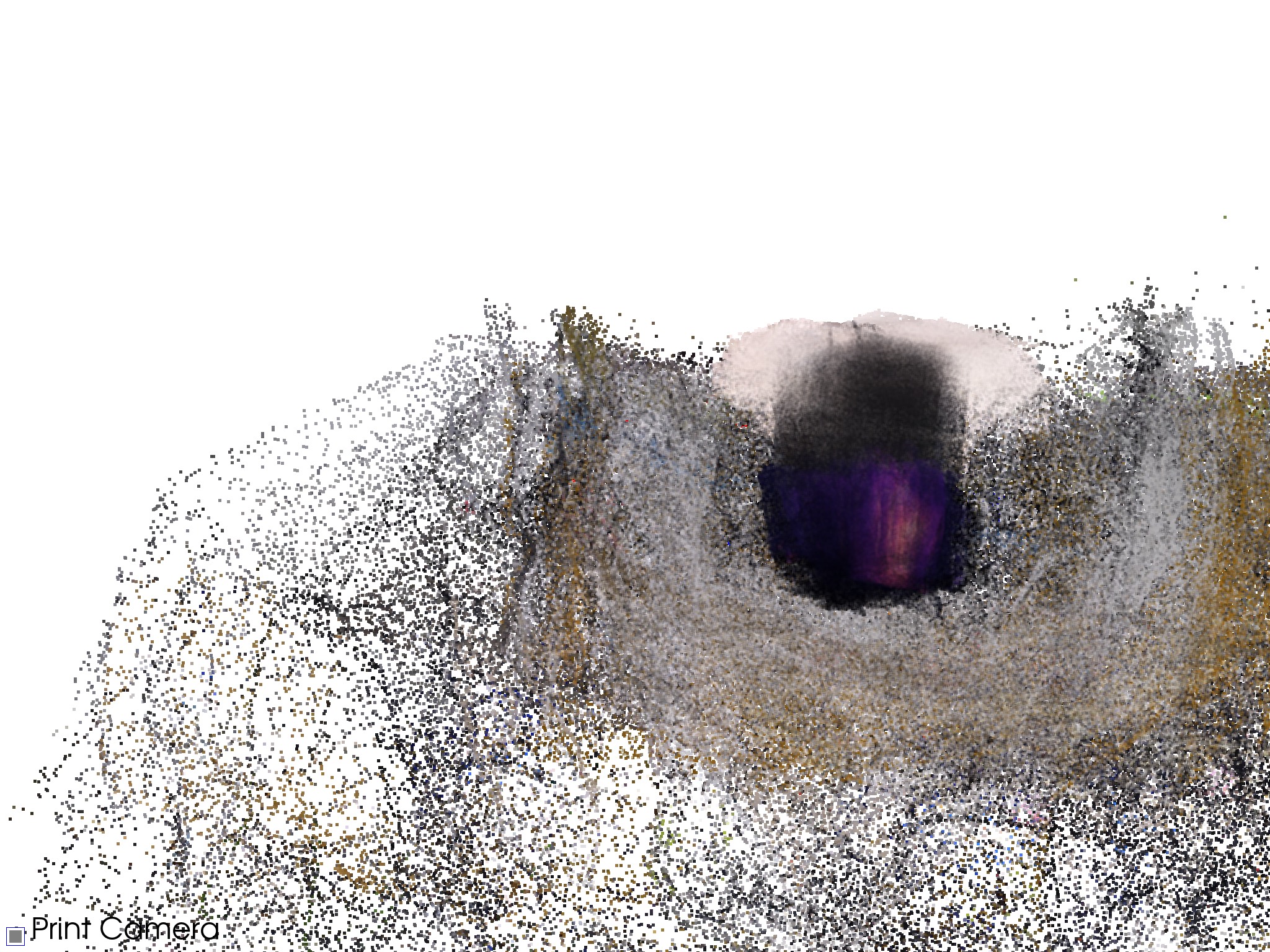
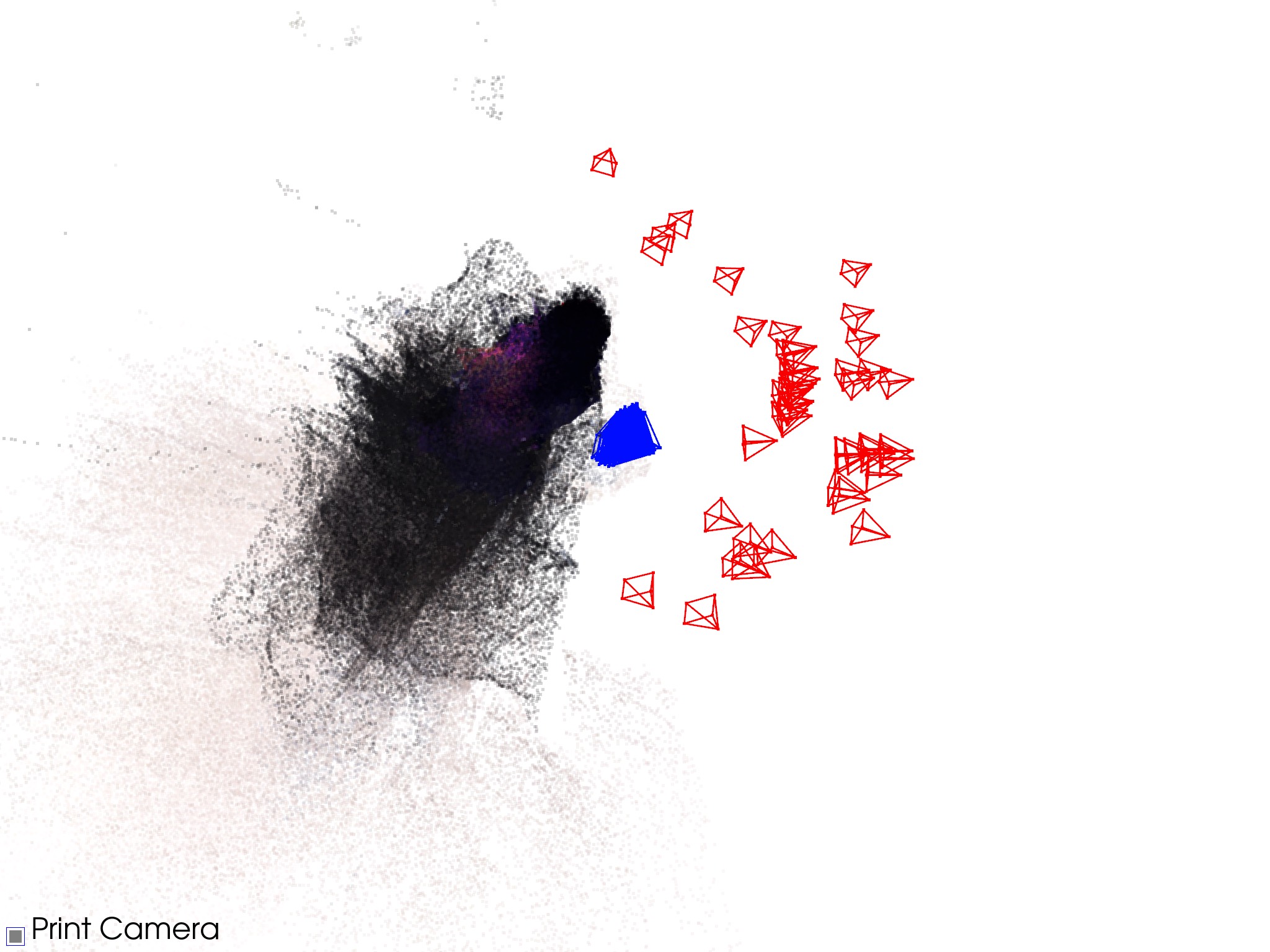
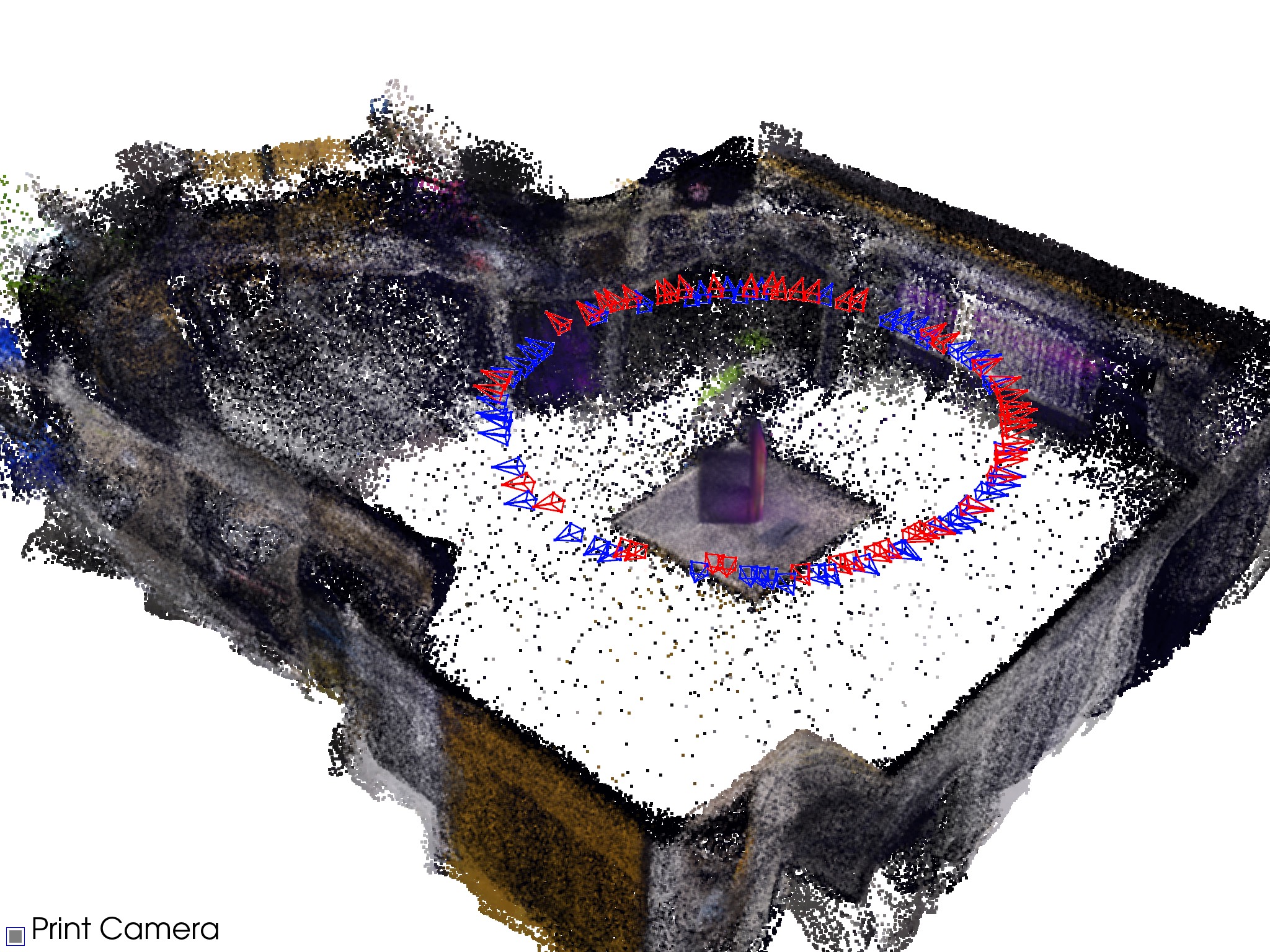
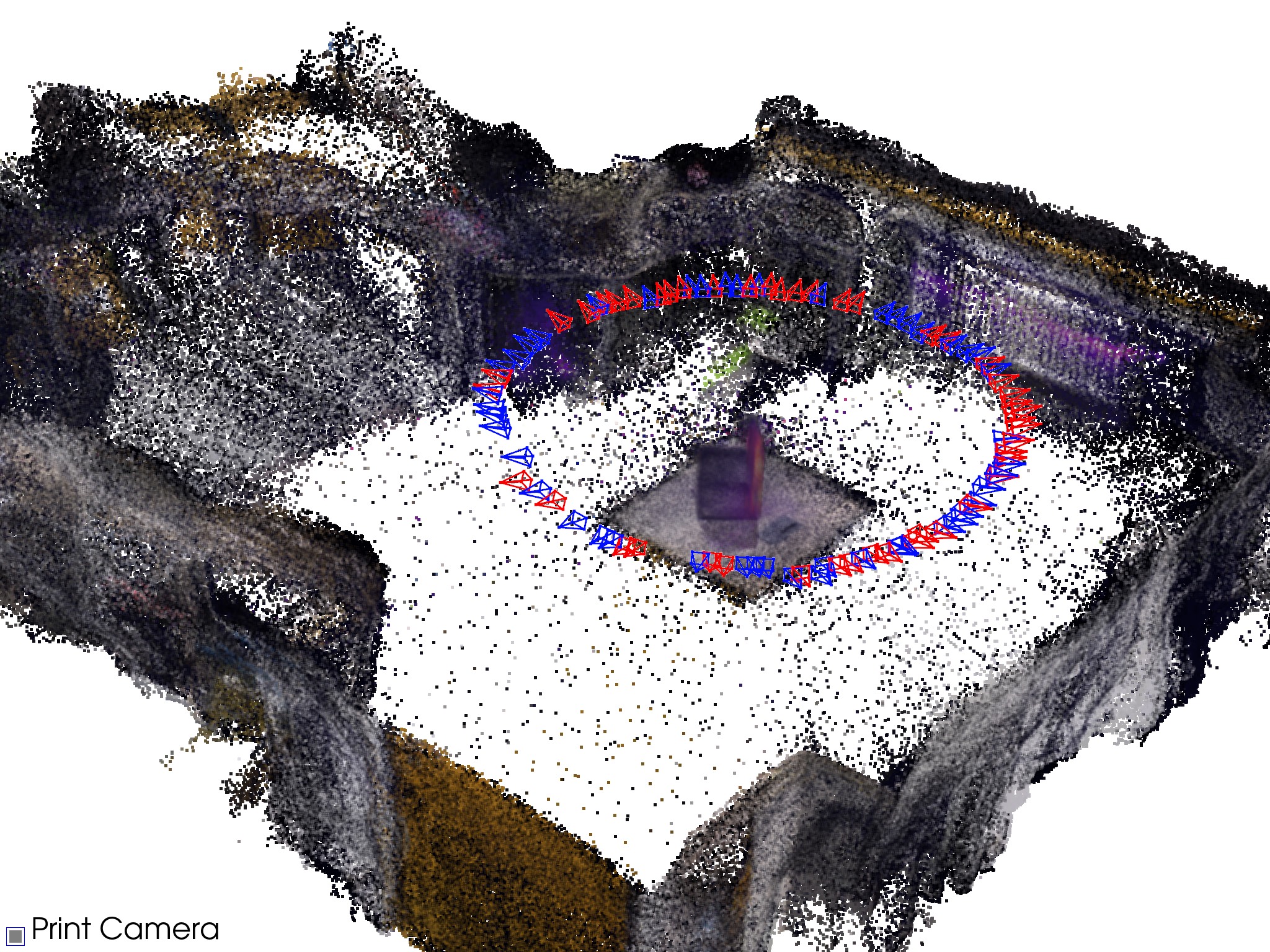
generator

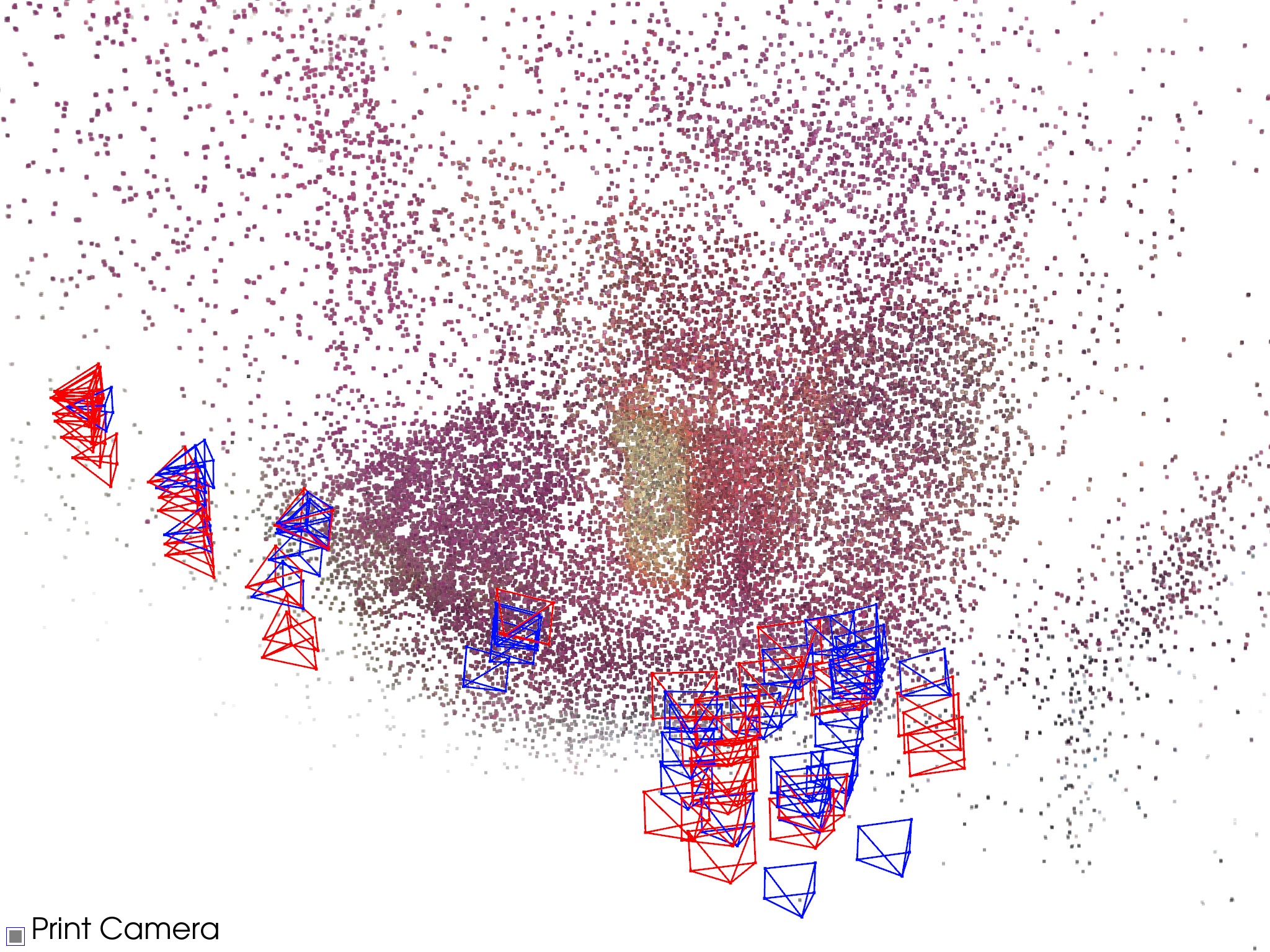
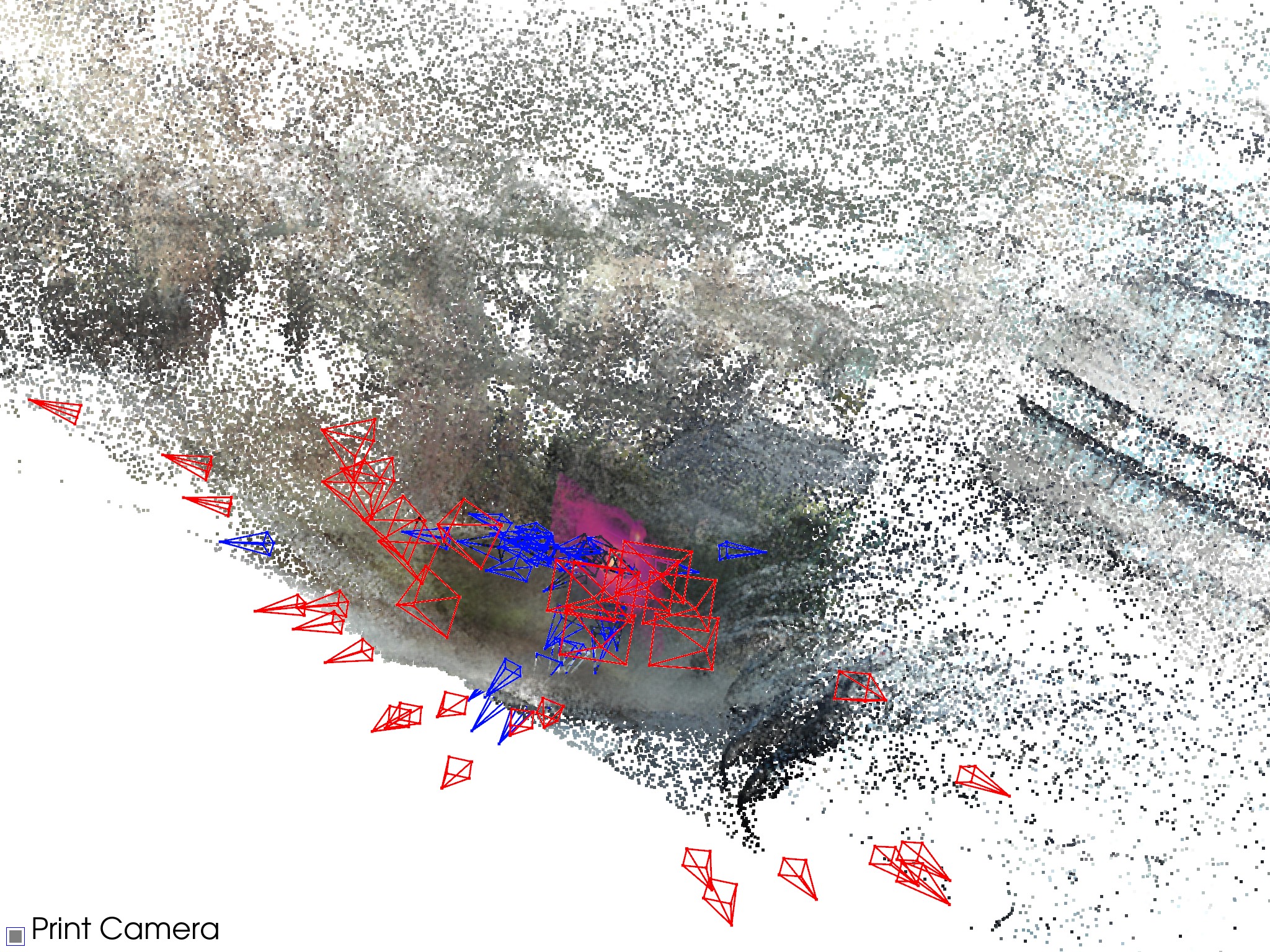
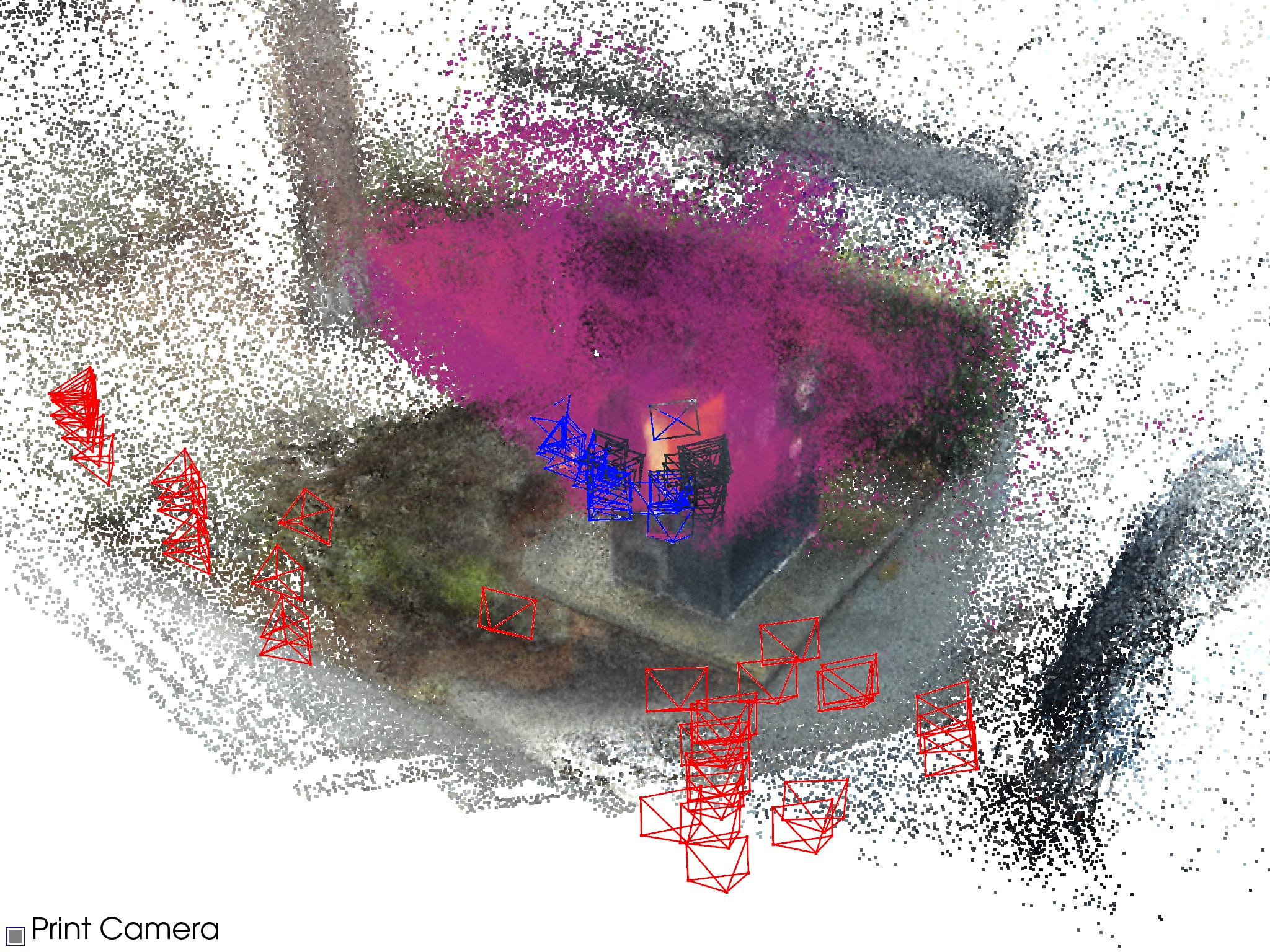
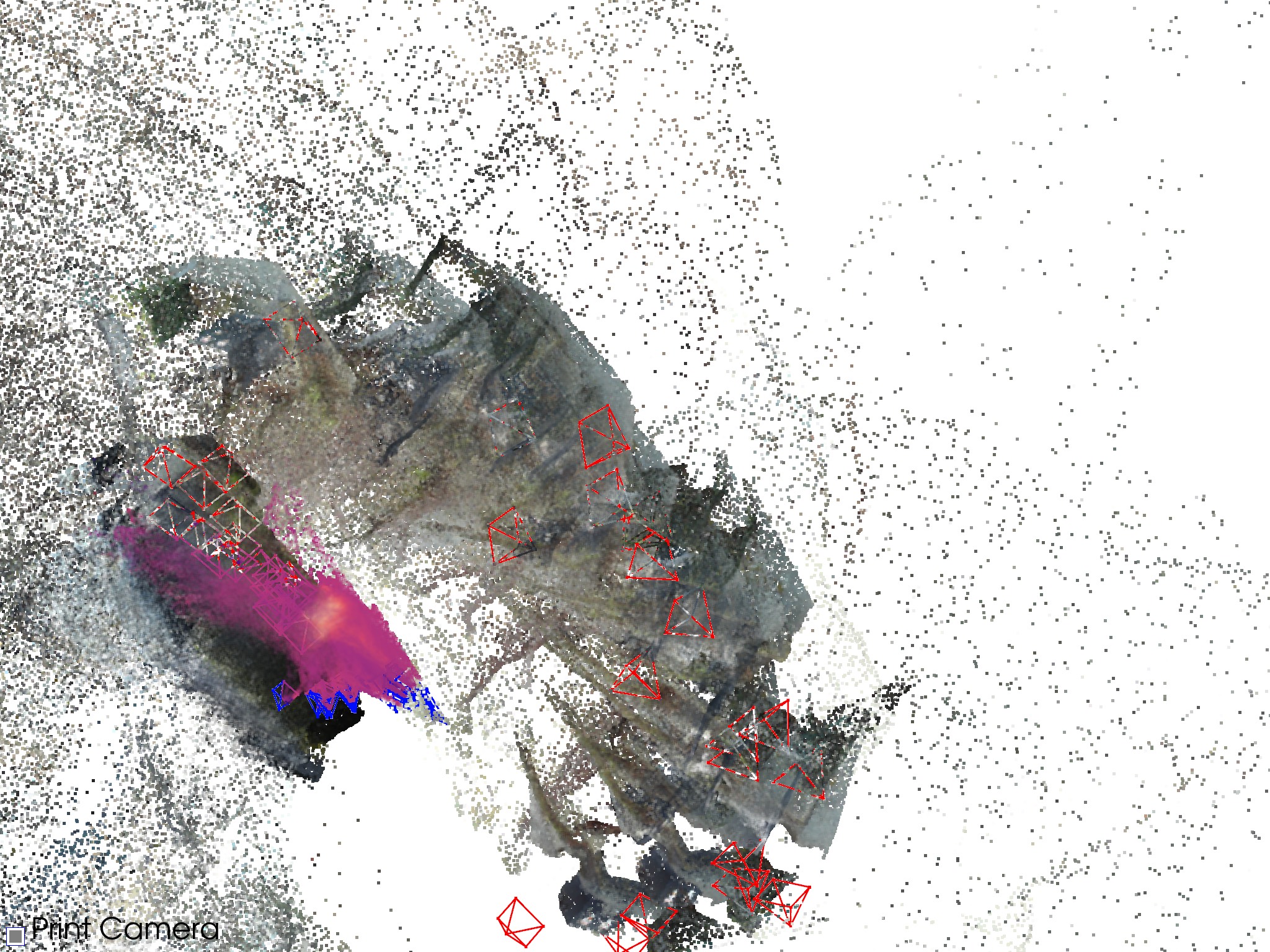
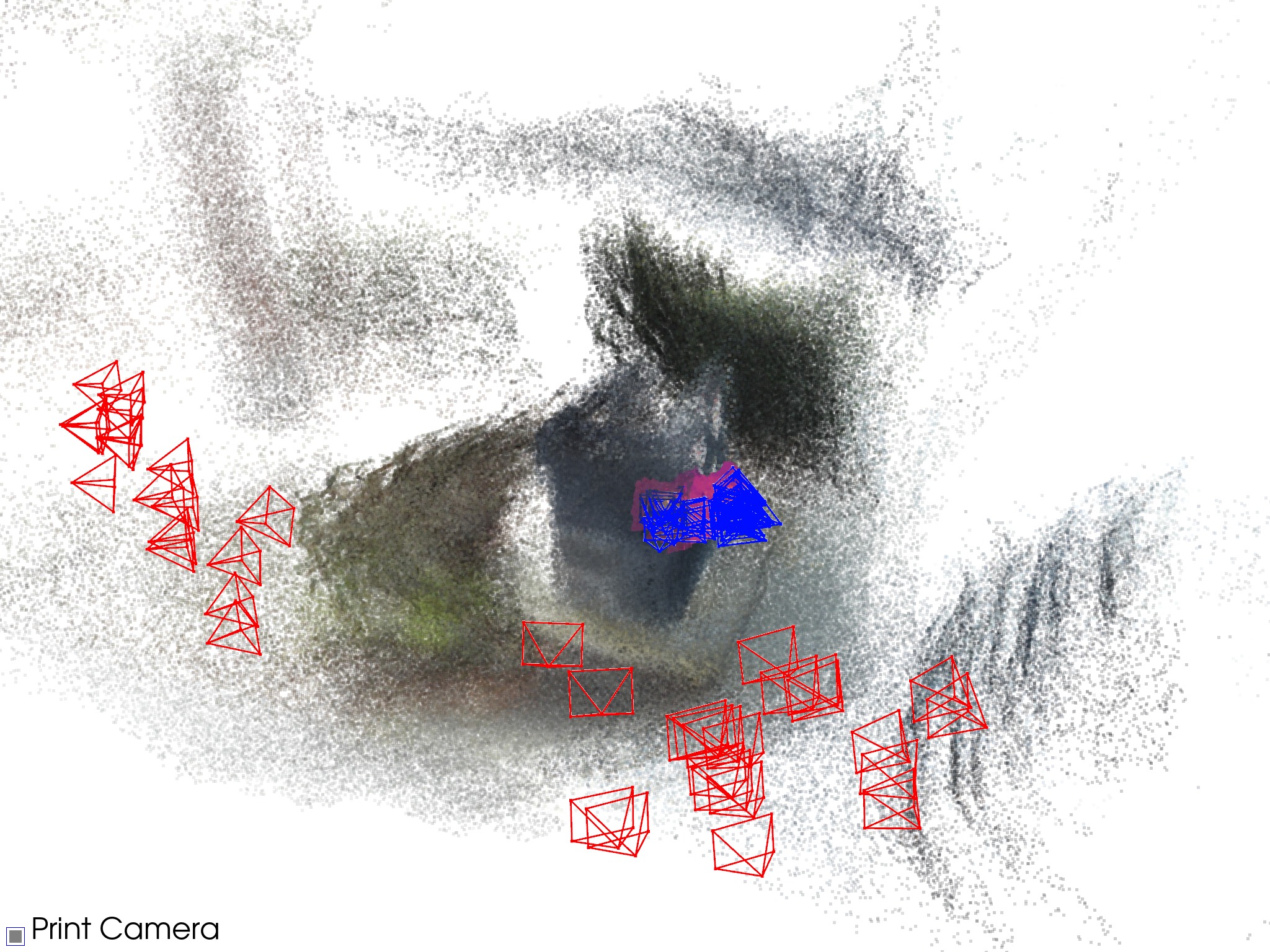
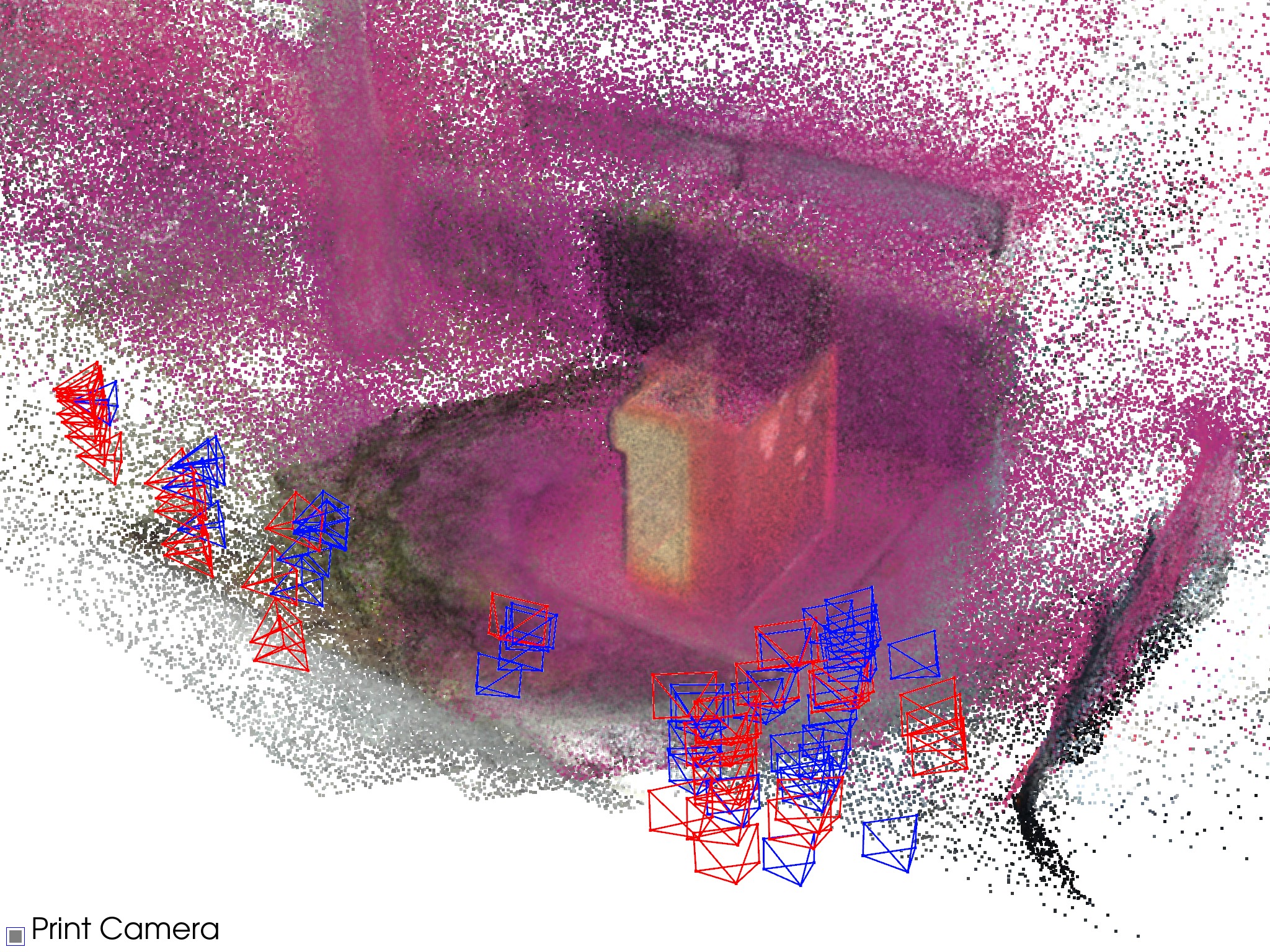
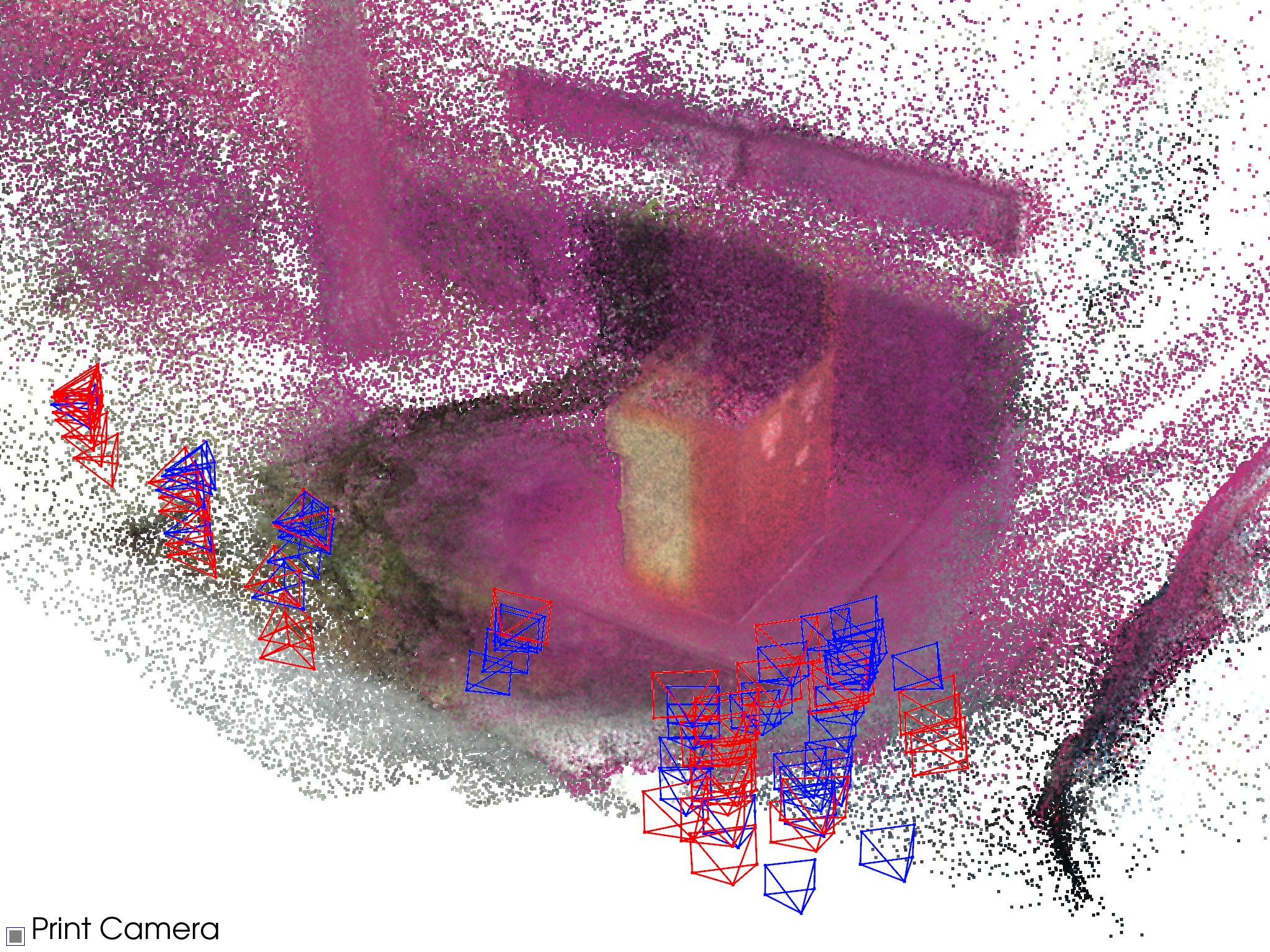
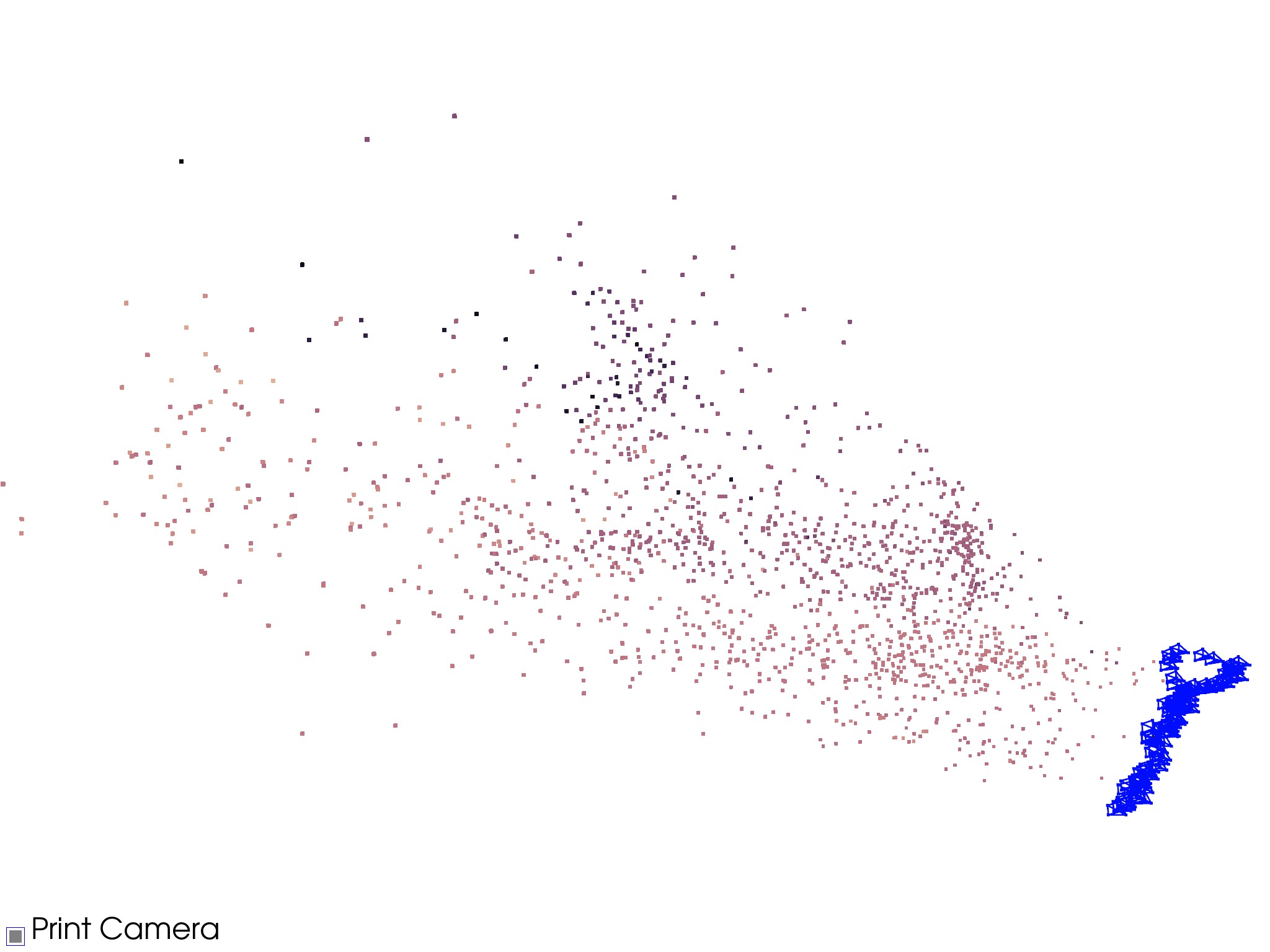
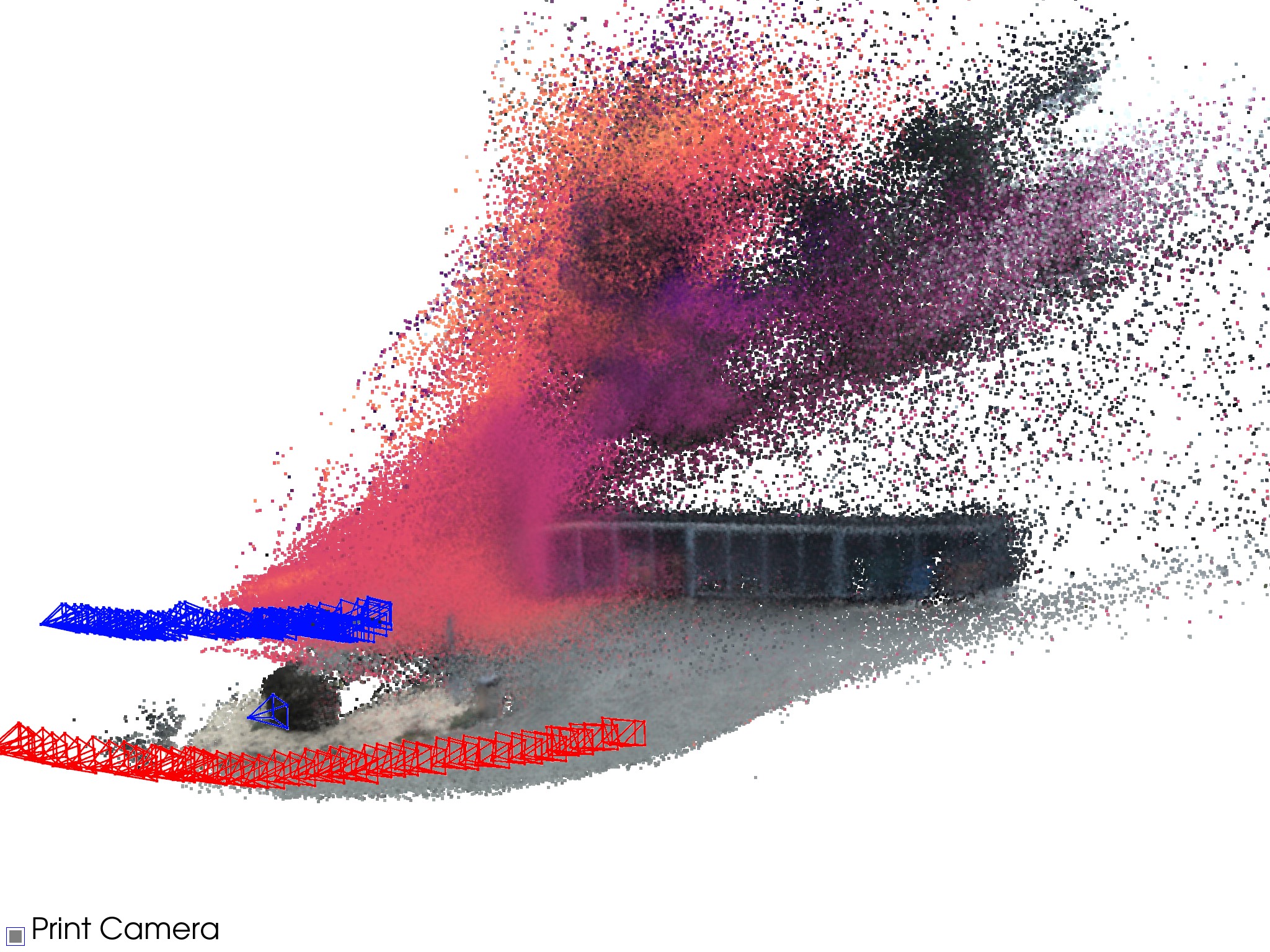
Interactive Results
Loading Point Clouds...
Left Click: Rotate | Right Click: Pan | Scroll: Zoom
Quantitative Results
| Method | Public Datasets | SEAR Dataset | |||||||||||
|---|---|---|---|---|---|---|---|---|---|---|---|---|---|
| AUC ↑ | RRA ↑ | RTA ↑ | PCA ↓ | PCC ↓ | Chamfer ↓ | Reg (%) ↑ | FPS ↑ | AUC ↑ | RRA ↑ | RTA ↑ | Reg (%) ↑ | FPS ↑ | |
| COLMAP +SPSG |
57.6 | 82.5 | 74.6 | 1.64 | 1.20 | 1.42 | 44.7 | 0.44 | 74.4 | 99.9 | 95.9 | 27.9 | 0.66 |
| MAELoFTR | 13.1 | 70.1 | 41.2 | 0.49 | 5.16 | 2.82 | 21.8 | 0.21 | 15.9 | 73.7 | 53.1 | 37.3 | 0.17 |
| MINIMAROMA | 41.0 | 68.3 | 63.0 | 0.97 | 1.09 | 1.03 | 98.7 | 0.05 | 48.2 | 65.9 | 68.9 | 100.0 | 0.04 |
| MP-SfM | 31.4 | 78.0 | 52.5 | 1.59 | 0.58 | 1.08 | 100.0 | 0.04 | - | - | - | - | - |
| DUSt3R | 18.9 | 45.9 | 42.1 | 0.72 | 4.72 | 2.72 | 100.0 | 0.66 | 18.7 | 51.0 | 39.2 | 100.0 | 0.67 |
| MASt3R | 30.8 | 69.7 | 55.8 | 0.66 | 0.27 | 0.46 | 100.0 | 0.24 | 39.1 | 54.9 | 56.3 | 100.0 | 0.25 |
| VGGT | 22.9 | 50.7 | 48.5 | 1.22 | 2.60 | 1.91 | 100.0 | 10.46 | 23.3 | 50.5 | 56.4 | 100.0 | 10.51 |
| MapAnything | 21.4 | 51.3 | 47.4 | 0.69 | 3.76 | 2.23 | 100.0 | 1.98 | 23.2 | 51.4 | 52.2 | 100.0 | 2.12 |
| SEAR | 70.0 | 90.6 | 87.6 | 0.47 | 0.06 | 0.27 | 100.0 | 9.94 | 62.8 | 83.7 | 84.2 | 100.0 | 10.22 |
Features Alignment
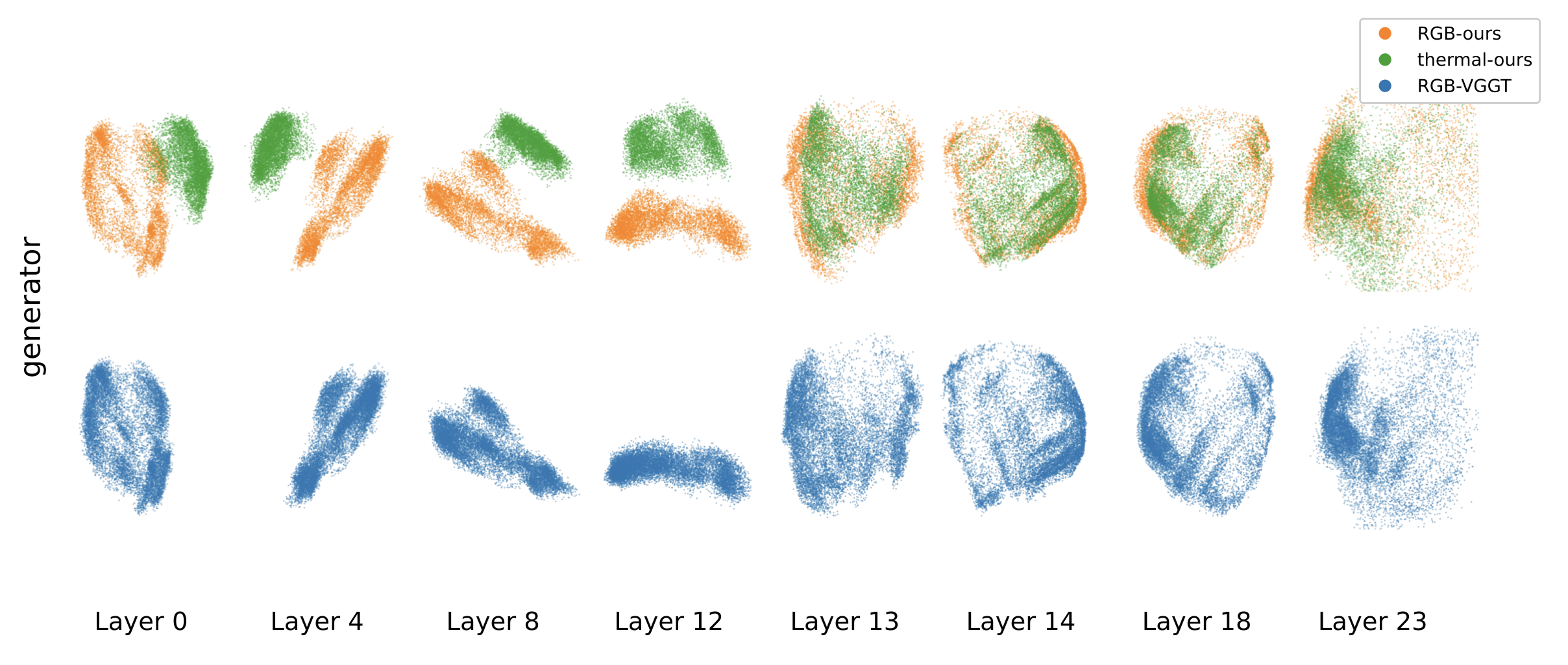
Features Alignment. PCA-based analysis of RGB-thermal feature alignment. The top row illustrates the feature evolution of our model on RGB-thermal inputs, while the bottom row shows the feature evolution of VGGT on the corresponding RGB-only inputs.
Our analysis suggests that the model does not learn a completely new representation for mixed-modality inputs, but instead operates largely within the original VGGT feature space. We run SEAR on RGB-thermal inputs and the original VGGT on the corresponding RGB-only images, and extract the intermediate outputs of the frame-attention layers in the AA modules. We then perform Principal Component Analysis (PCA) on features from the same layer and visualize the resulting embeddings in the figure above. It can be observed that, at each layer, the RGB features produced by SEAR and the original pre-trained VGGT model exhibit very similar structures. The layers 12-14 clearly show how our model aligns RGB and thermal features. After layer14, the combined RGB and thermal features closely resembles the RGB features produced by the pre-trained VGGT model for RGB-only images. Interestingly, VGGT reconstructs geometry starting from its middle layers, exactly where the RGB and thermal features are aligned in SEAR. For more details, we encourage readers to refer to the paper and the supplementary material.
Method
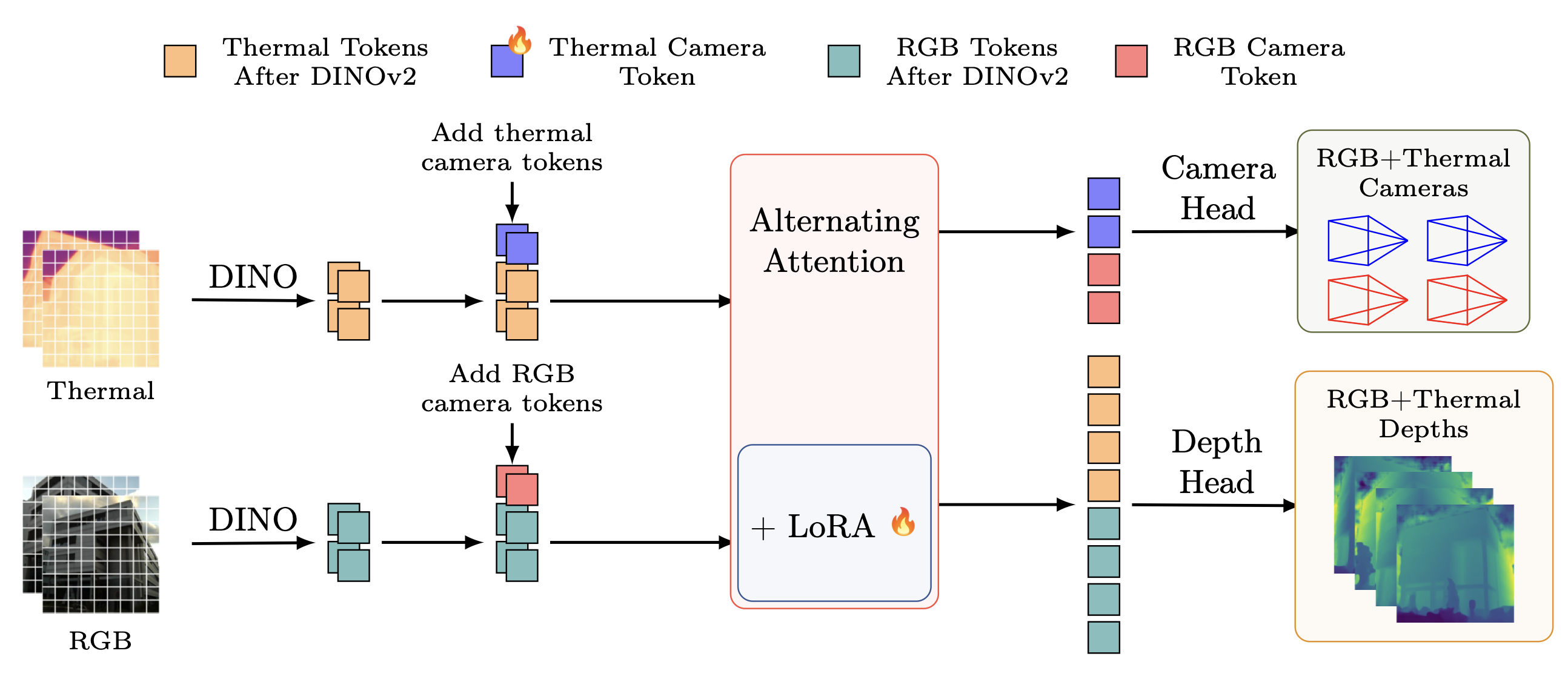
SEAR architecture. RGB and thermal images are first tokenized using DINOv2. For each modality, camera-specific tokens are concatenated with the corresponding DINO tokens. The combined tokens are then processed by an Alternating-Attention (AA) module with LoRA adapters. Finally, the refined tokens are passed to separate prediction heads for camera parameter estimation and depth estimation. Trainable parameters are highlighted with a flame symbol.
*Other Inputs
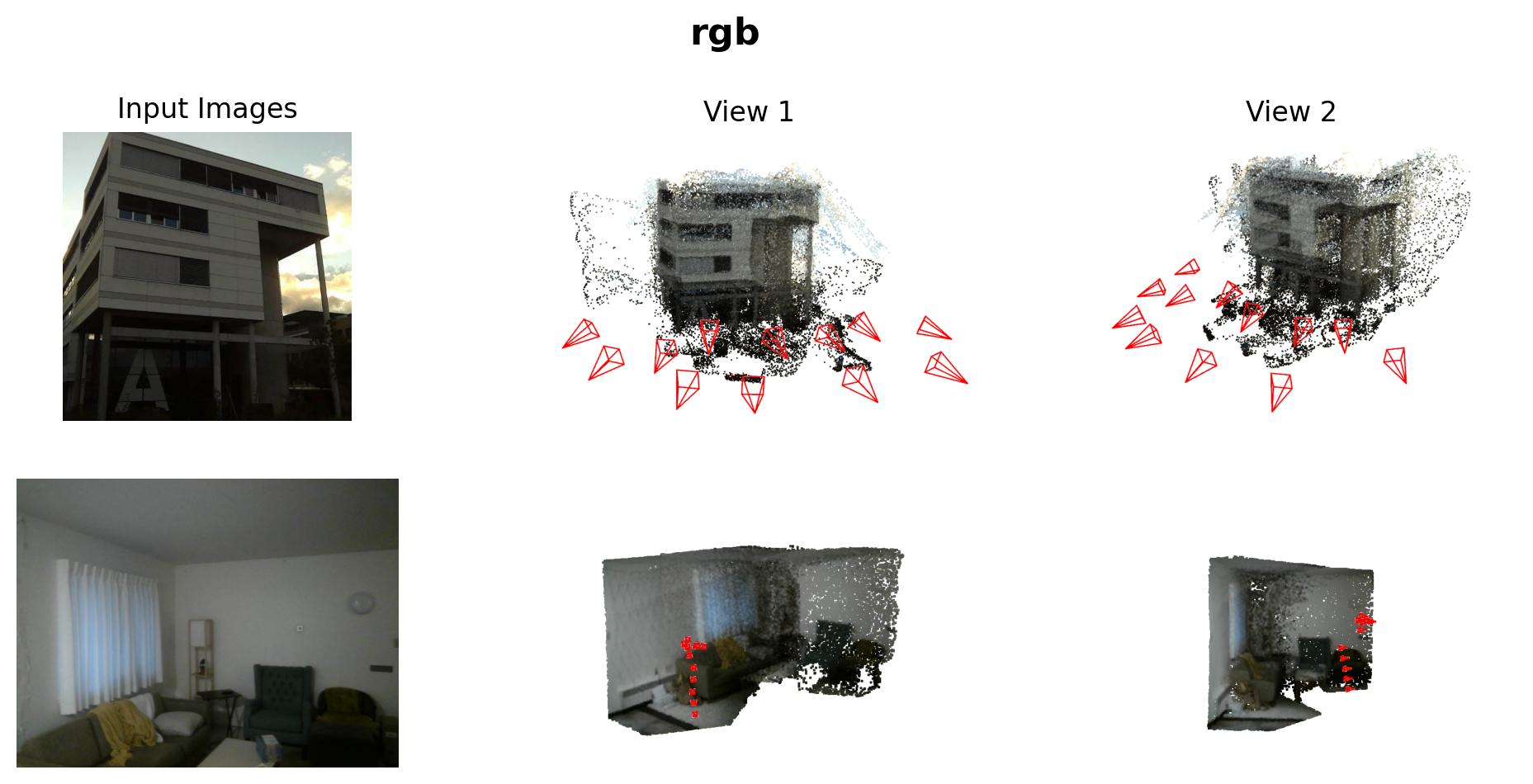
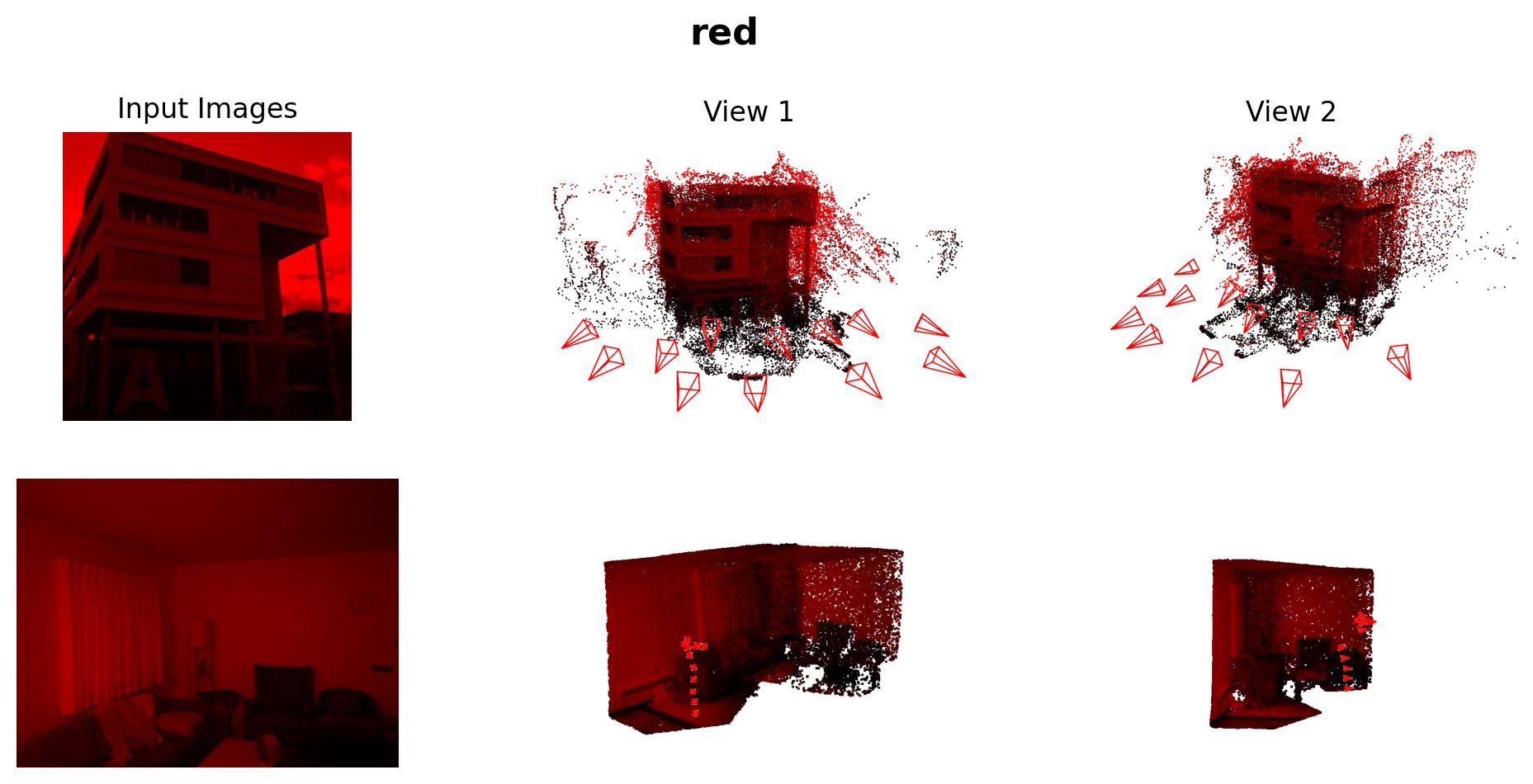
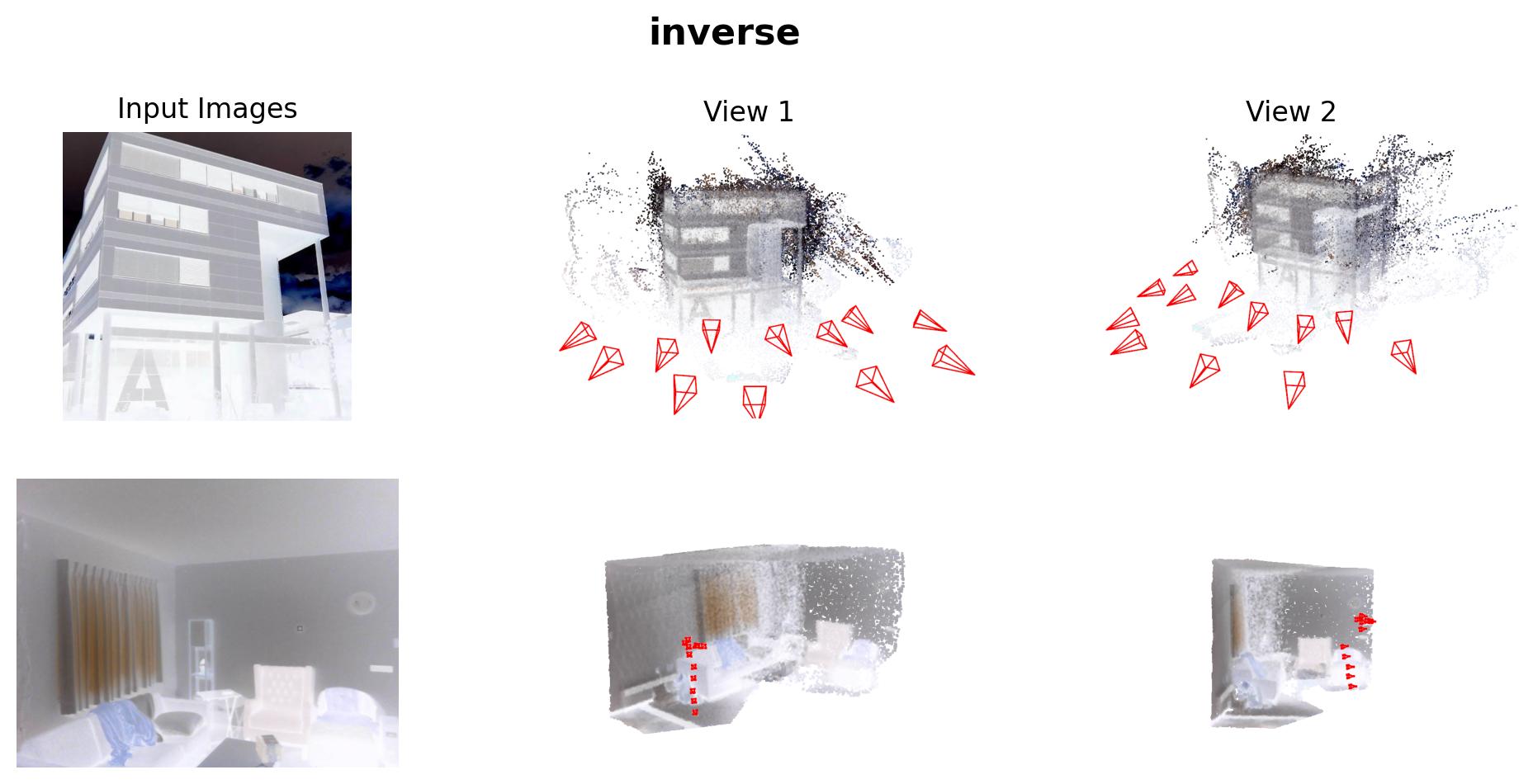
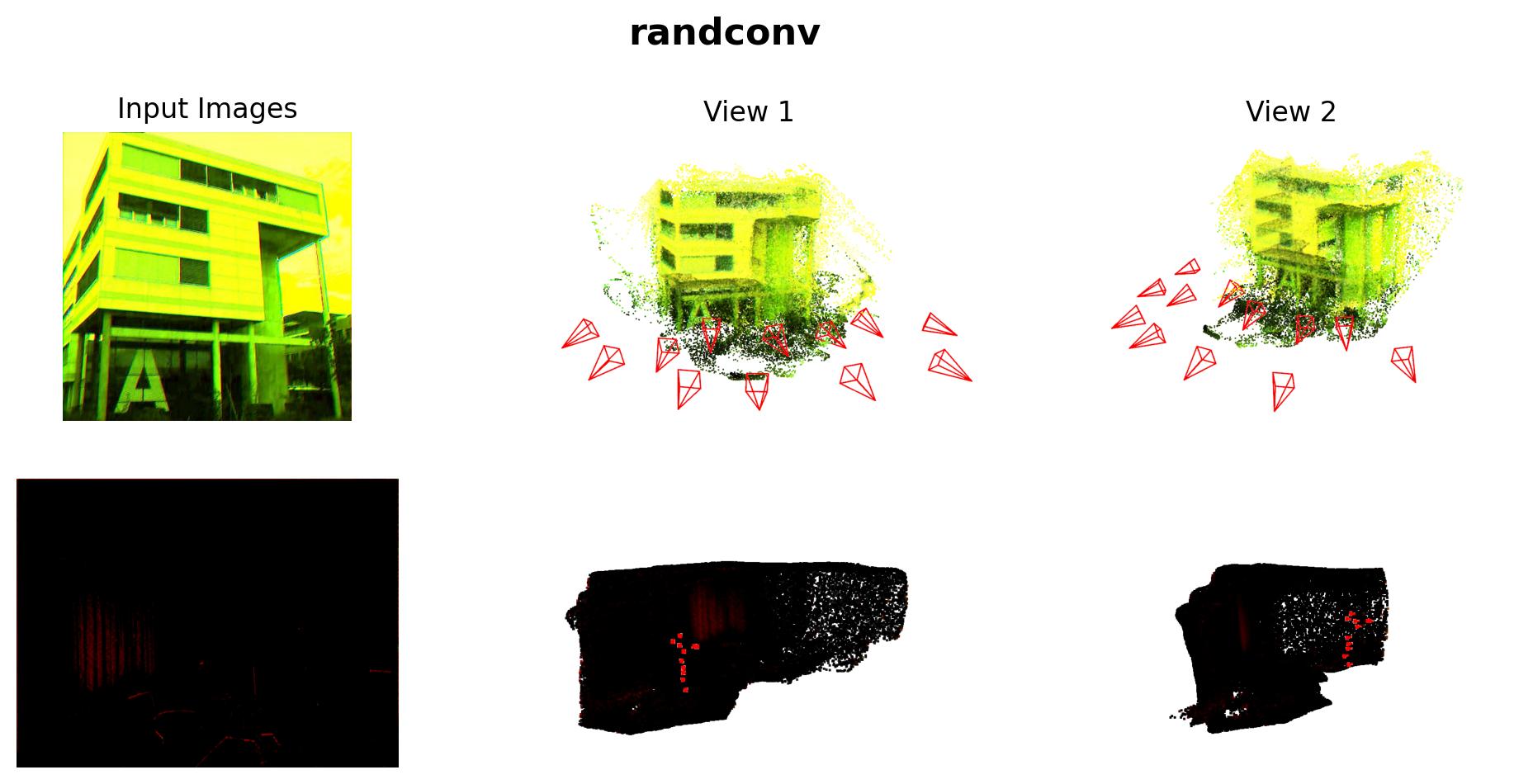
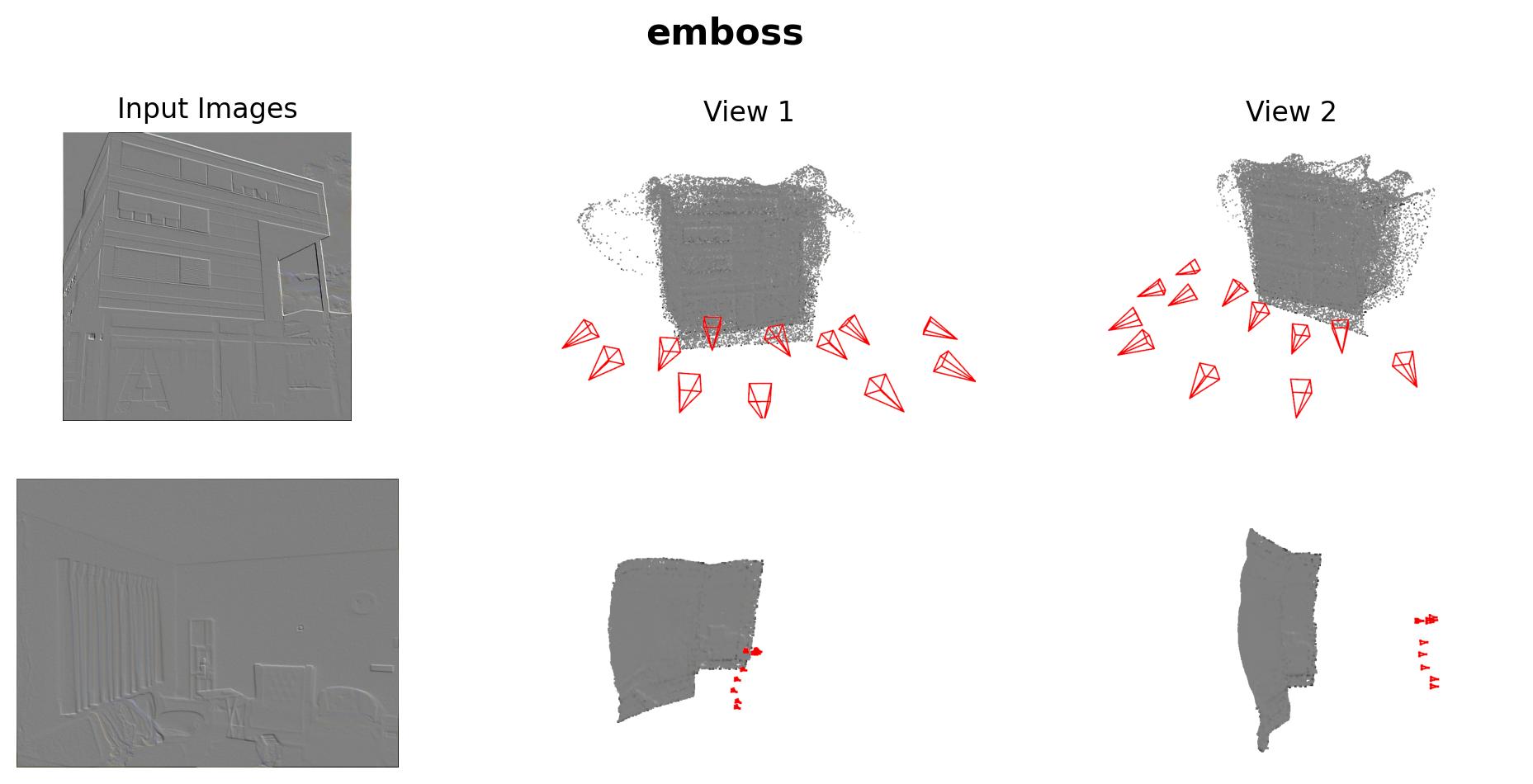
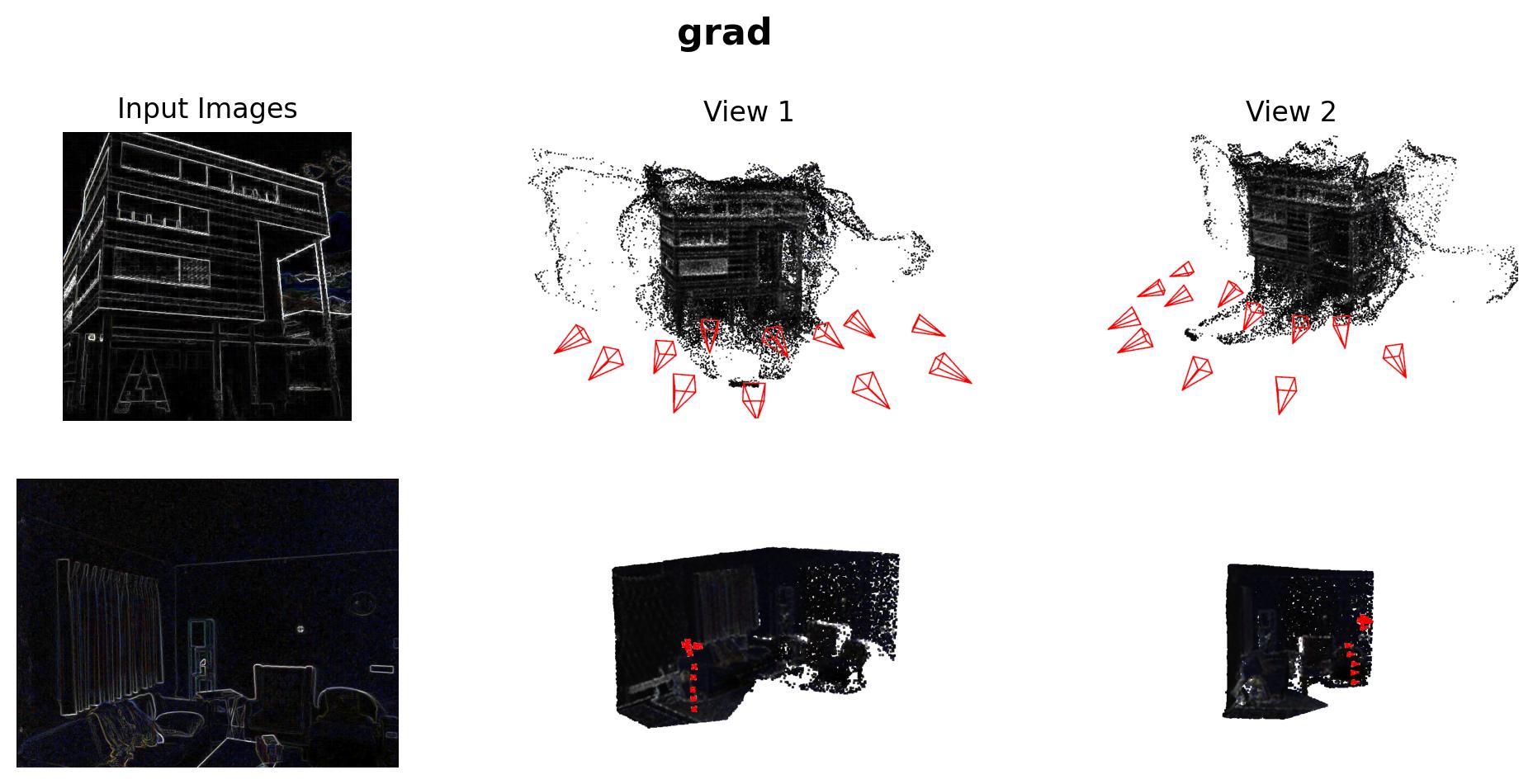
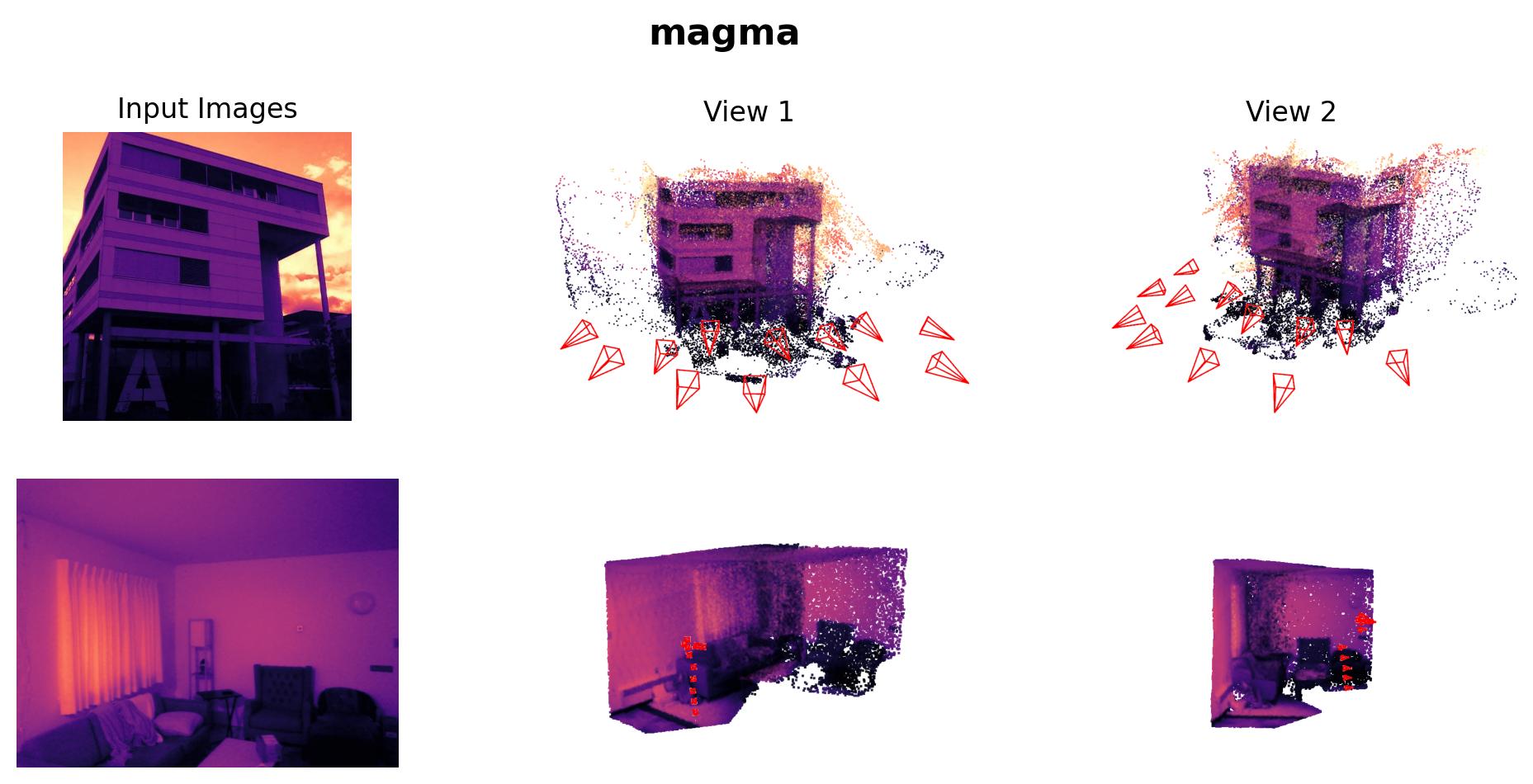
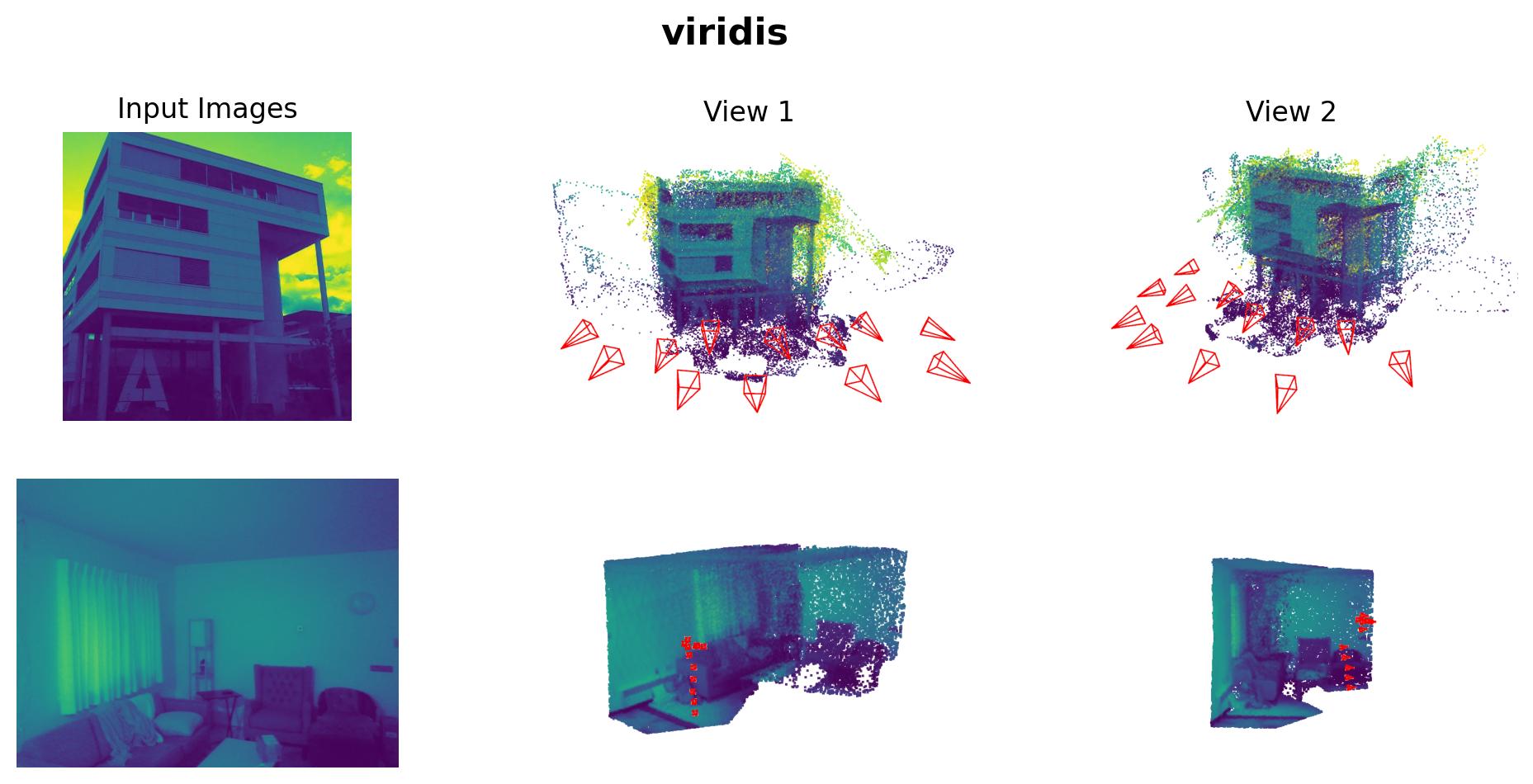
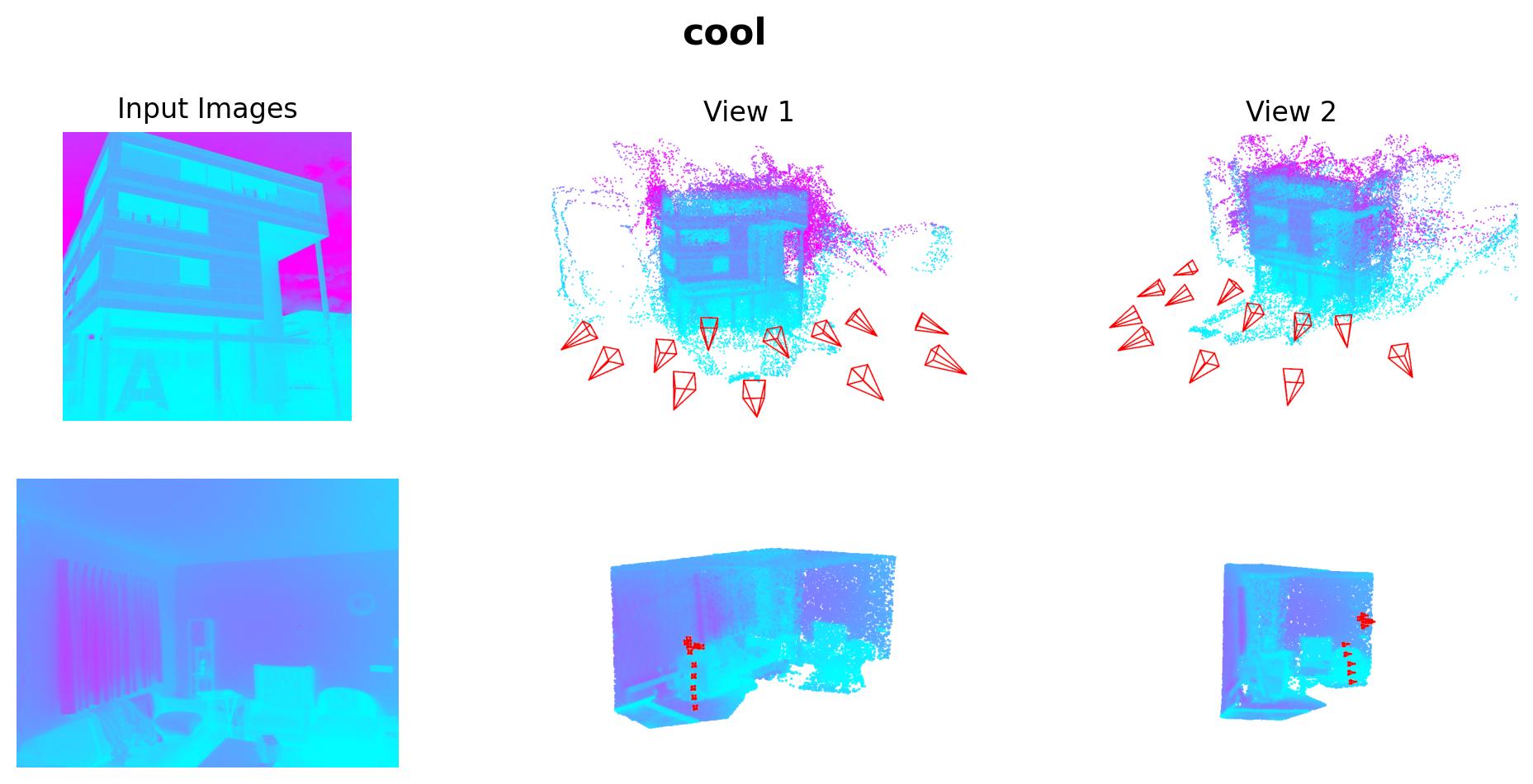
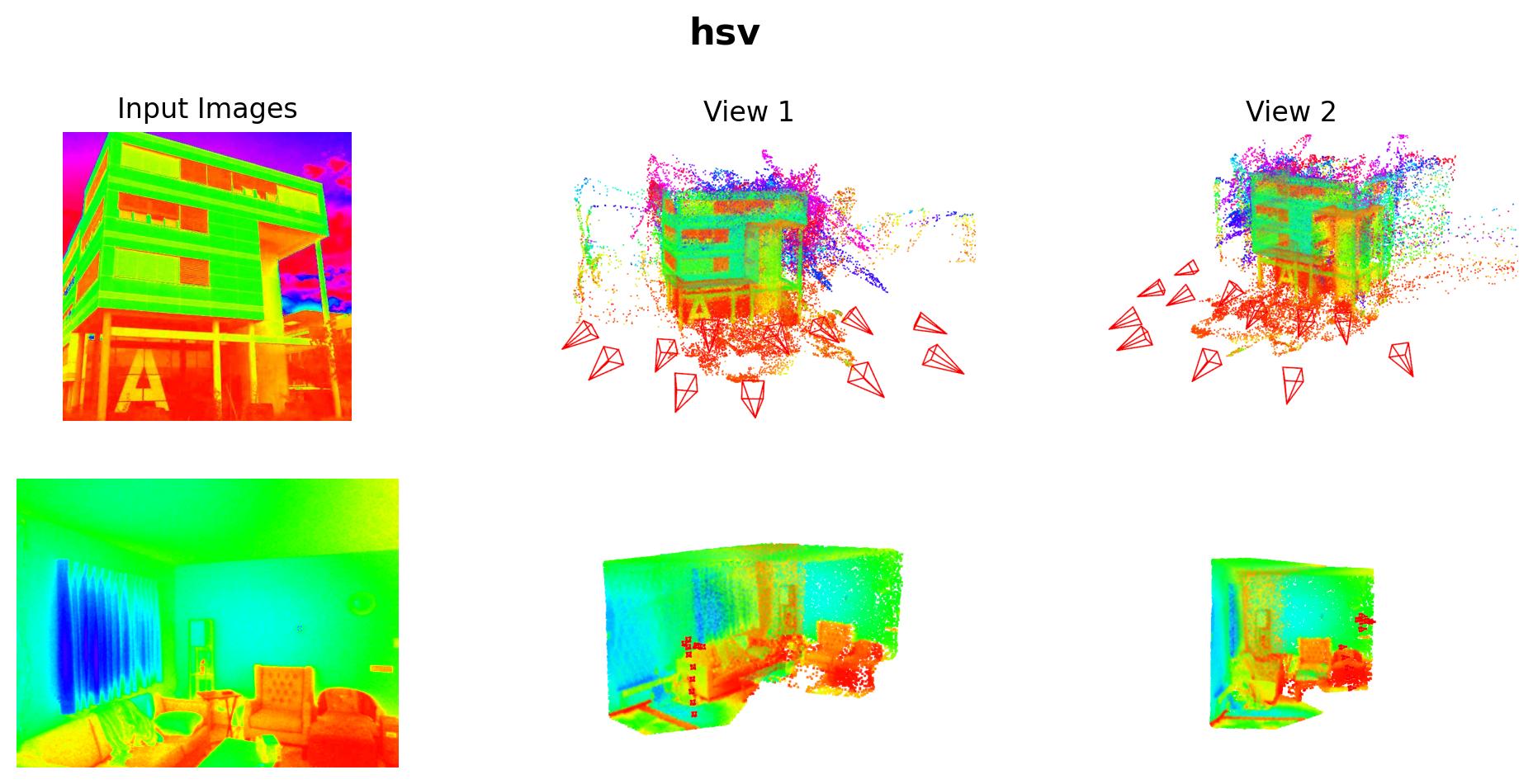
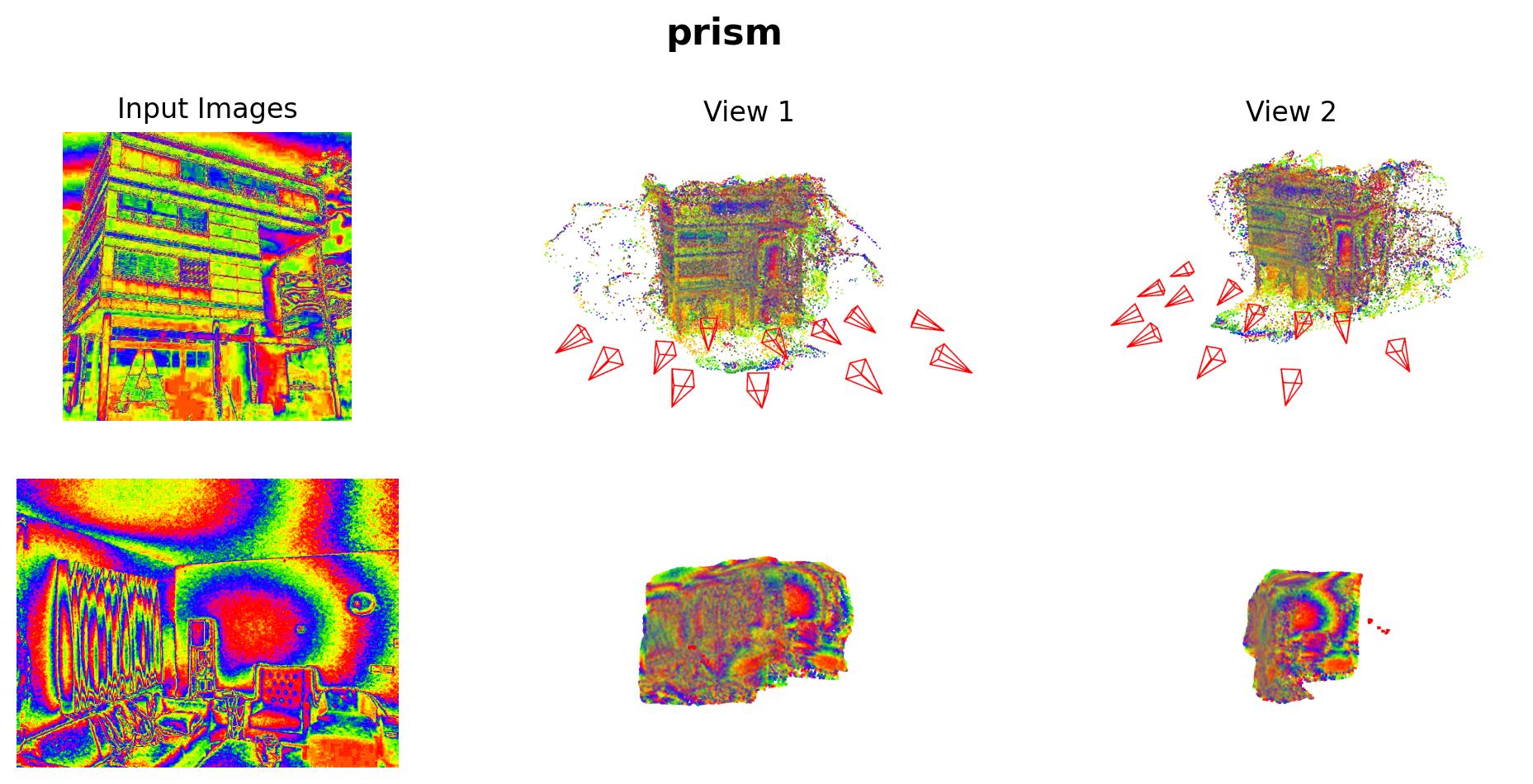
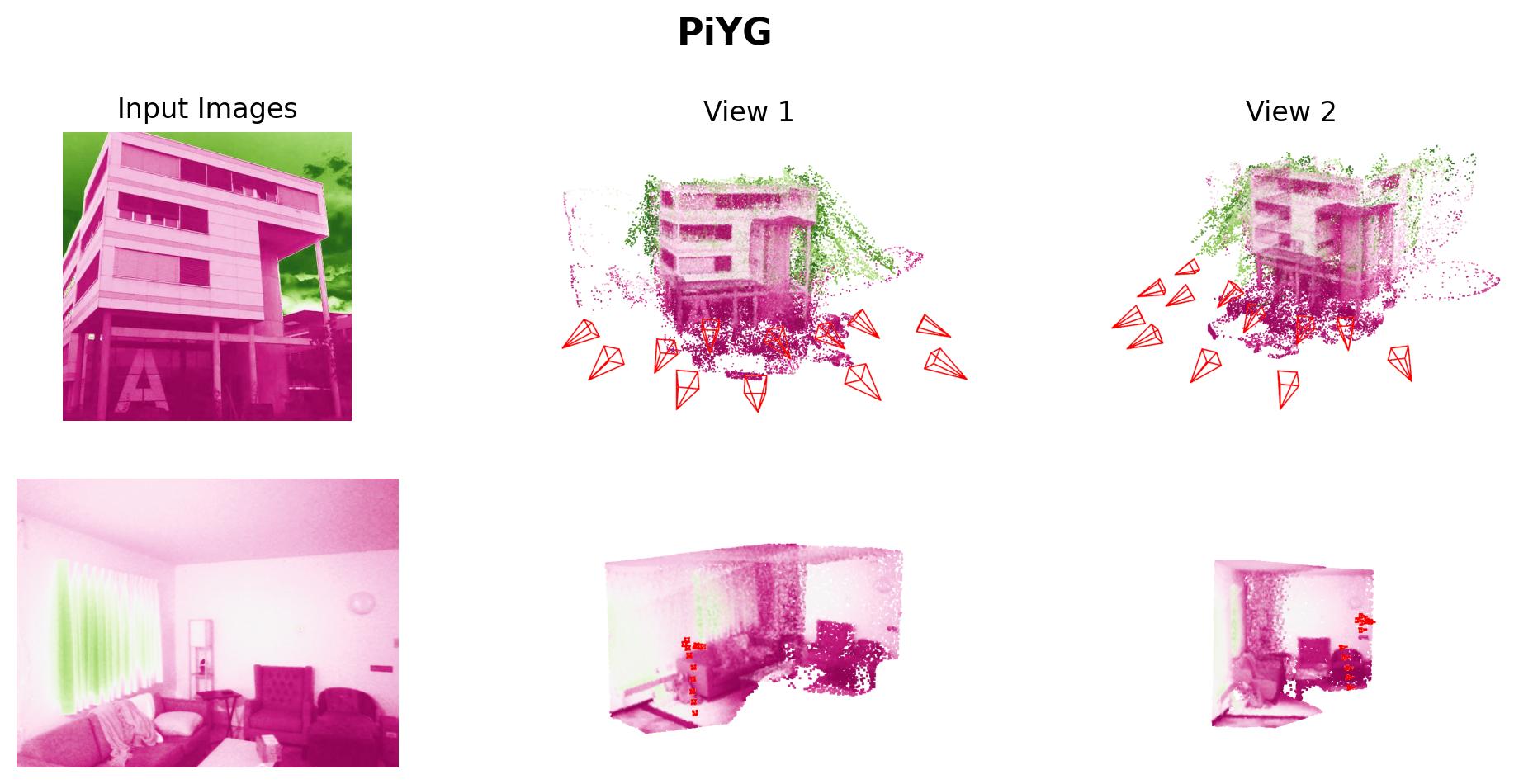
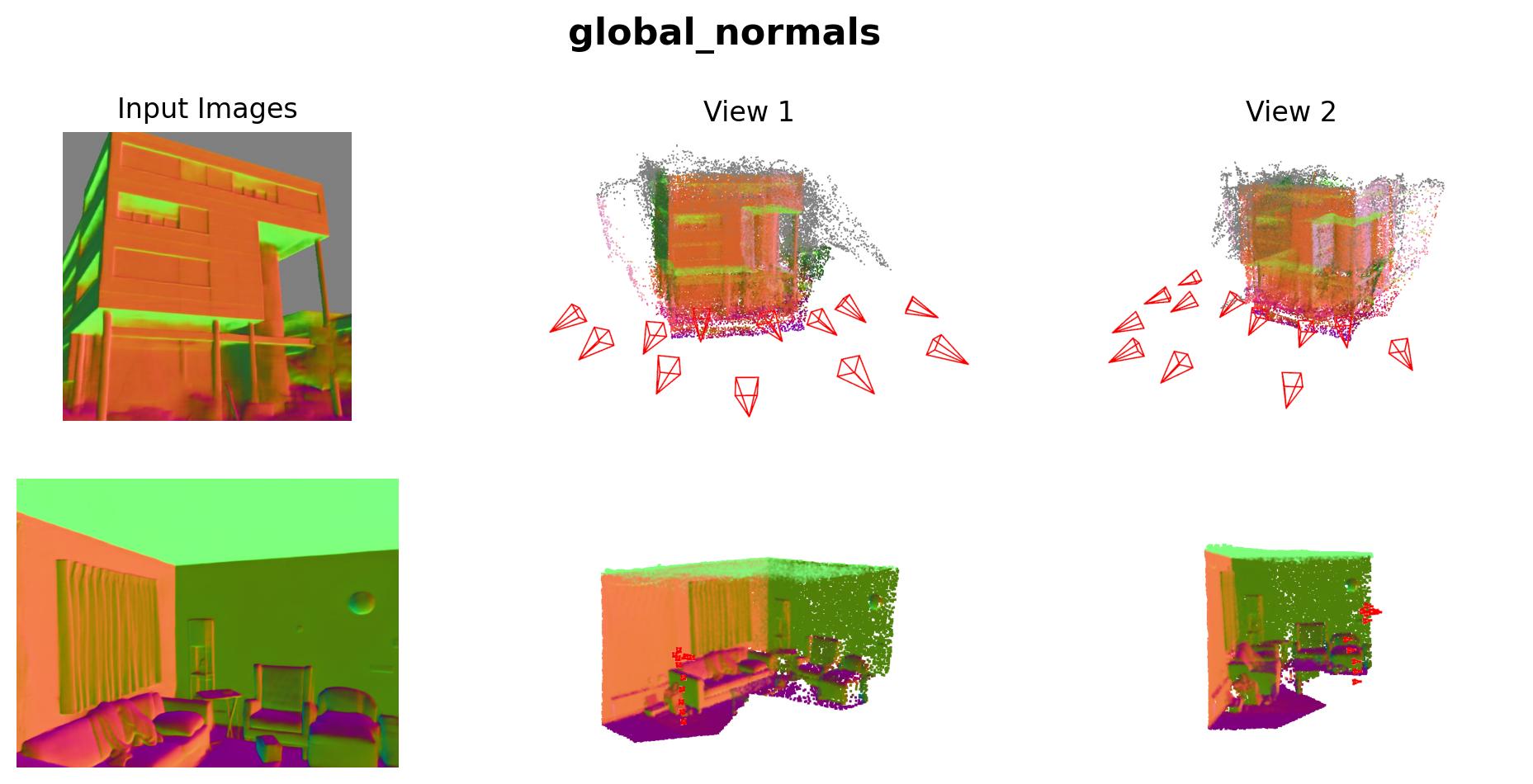
This result was not presented in the paper and in the supplementary material, but we found that VGGT can also handle many other inputs (RGB, Red-only, Inverse, Random 3x3 Convolution, Emboss, Gradient, magma, viridis, cool, hsv, prism, PiYG, Global Normals).